
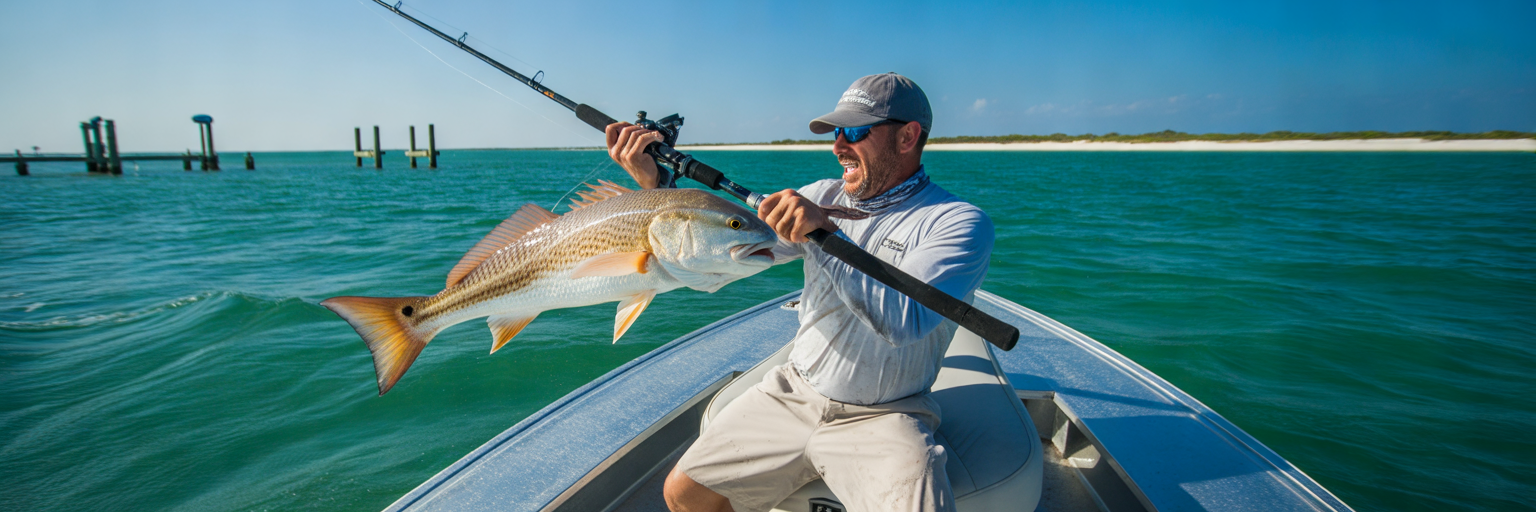
The 100-fathom curve pushes closer to East Pass than any other inlet along the northern Gulf Coast, placing deep-sea pelagic territory roughly 12 miles from the beach. That submarine canyon geometry is why Destin fishing lets you sight-cast to tailing redfish at dawn and drop baits to bottom-dwelling grouper before noon.
Understanding Destin Fishing Across Five Distinct Water Zones
Most Gulf ports force you to run 40 to 60 miles across a flat continental shelf before your bottom machine reads 100 feet. Here in the heart of the Florida Panhandle saltwater fishing arena, the northern tip of the DeSoto Canyon carves right toward the beachfront. The 100-fathom curve sits within 12 to 20 miles of East Pass, creating the shortest run to deep water on the Gulf Coast. Within a few miles of the ramp, you can pick between five distinct water zones that each fish like a completely different ecosystem.
Choctawhatchee Bay Flats and River Mouths
Step inside the barrier island and you have 129 square miles of protected estuary. Productive Choctawhatchee Bay fishing comes down to tracking salinity across turtle grass flats, shallow sandbars, and resident oyster bars. The Choctawhatchee River delta feeds the eastern end of the bay through a maze of marsh grass and creek mouths. When heavy upstate rain dumps freshwater down the river basin, a dark freshwater lens pushes westward across the surface.
That runoff forces speckled trout and slot redfish off the shallow eastern flats and pushes them toward deeper, saltier channels near Hogtown Bayou and Joe’s Bayou. Since heavier saltwater sits under the fresh surface layer, working baits right along the bottom edges of those bayou drop-offs is your highest-percentage move after a rainstorm. When the water clears up over the mid-bay grass beds, keeping your bait clean requires a specific setup, which we break down in our tactical breakdown on rigging for heavy bottom grass so your offering stays in the strike zone without fouling.
East Pass and the Marler Bridge Bottleneck
Every drop of tidal water entering or leaving Choctawhatchee Bay has to squeeze through one narrow choke point at East Pass. That massive water volume flushes beneath the William T. Marler Bridge and between two granite rock jetties, scouring holes down to 50 feet and creating ripping currents that stack baitfish against bridge fenders and rock piles. Predators stage right behind the concrete pilings and submerged boulders, waiting for the tide to wash disoriented menhaden and pinfish into their ambush zones.
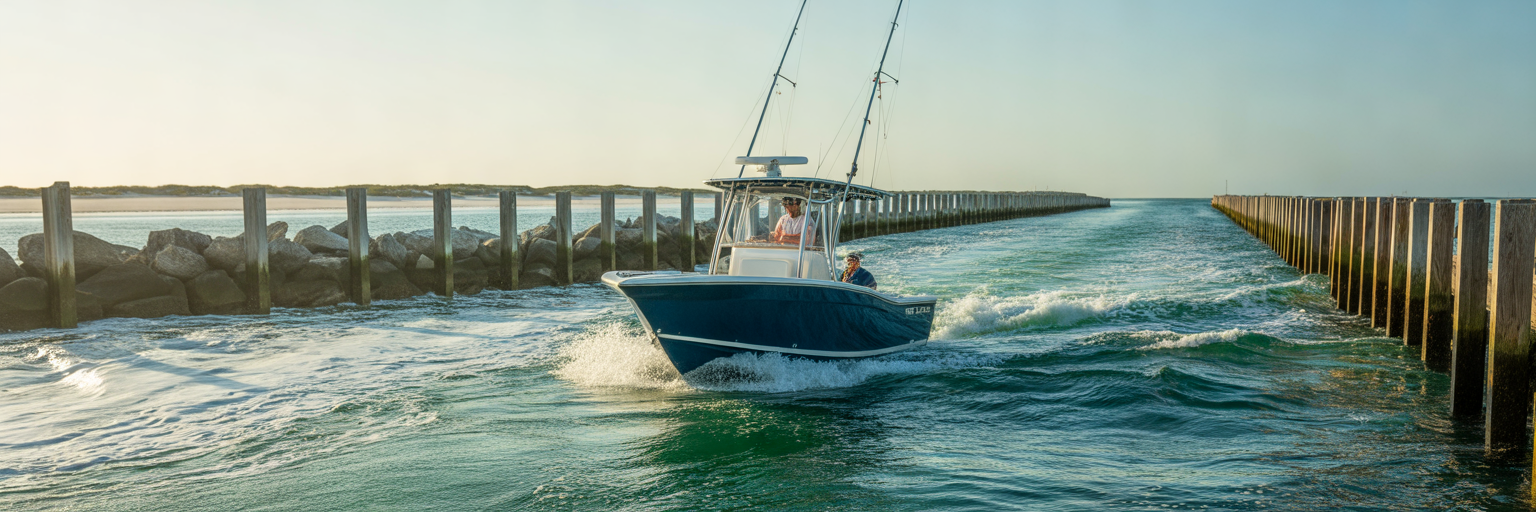
Executing smart East Pass fishing tactics means respecting the physics of that bottleneck. When a heavy outgoing tide collides head-on with a 15-knot south wind, the pass stacks up into standing six-foot waves within minutes. It can turn from a flat highway into a dangerous washing machine between the jetties, so watch the water surface before you commit your bow to the channel.
Sugar-Sand Surf Troughs to the 100-Fathom Shelf
Clear the rock jetties and the bottom contours drop off in distinct steps. Right against the quartz beach, two parallel sandbars form a deep inner surf trough where cruising fish hunt sand fleas and bait schools within casting range of shore. Push out a mile to 9 nautical miles and you enter state waters, where public artificial reef pyramids and natural two-foot limestone ledges break up the hard sand bottom in 50 to 100 feet of water.
Cross the 9-mile line into federal territory and the bottom drops steadily toward the 100-fathom shelf edge. High-relief limestone pinnacles, World War II liberty ship wrecks, and steep mud cliffs create vertical upwelling that holds everything from gag grouper on the bottom to billfish cruising the surface edges. Before you back down the boat ramp, match your hull and clock to the right zone:
- Four-hour window in an 18-foot skiff or bay boat: Stay inside Choctawhatchee Bay working the grass flats, dock pilings, and bayou mouths, or drift the sheltered side of the Marler Bridge during a moderate tide.
- Four-hour window in a 22-foot to 24-foot hybrid or center console: Work the East Pass jetties at dawn, troll the beachfront sandbars, or hop out 3 to 6 miles to drop baits on state-water artificial reefs.
- Eight-hour window in a 25-foot+ deep-vee hull: Run 12 to 25 miles south to work the natural limestone ledges along theEdge, or push out to the 100-fathom curve to troll temperature breaks and deep-drop the shelf slope.
Spring and Summer Target Species from the Flats to the Shelf
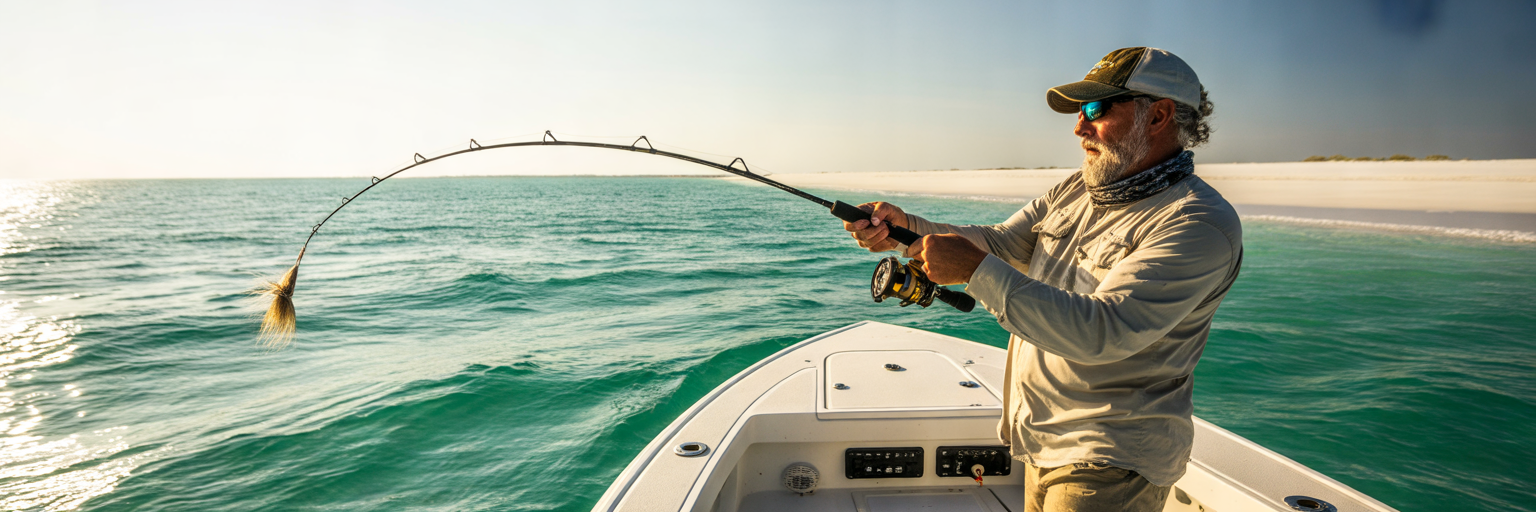
As spring sunlight warms the northern Gulf, water temperature becomes the primary trigger that dictates where fish stage and how aggressively they feed. Watching the thermometer climb from the mid-60s in March to the mid-80s by July tells you exactly which species are pushing along the beach or stacking on the offshore wrecks.
The Spring Cobia and Pompano Push
From March through May, everyone in town watches the surf temperature gauge climb through the 65 to 72 degree Fahrenheit window. That thermal shift triggers the famous eastern migration of cobia pushing right down the beach from Miramar Beach to Crystal Beach. These fish cruiseright on the surface over the second sandbar, often shadowing giant manta rays or floating turtles in 10 to 20 feet of water. Boats with towers run the beach line looking for brown shapes in the emerald water, ready to pitch live eels or bright bucktail jigs ahead of a cruising pair.
Right inside those cobia boats, pompano stage heavily in the clean surf troughs off Henderson Beach State Park, rooting around in the sand for fleas and ghost shrimp. Just outside the second bar over nearshore hardbottom, schools of Spanish mackerel and early-season king mackerel blitz glass minnows and threadfin herring, tearing up the surface under diving terns.
Peak Summer Reef Snapper and Beach Tarpon
By June, water temperatures settle into the upper 70s and 80s, shifting the pattern into summer mode through August. When federal and state red snapper seasons open, the public wrecks and natural limestone relief in 70 to 140 feet of water see heavy pressure. Getting big sow snapper to bite past the juvenile fish requires holding tightly over structure and dropping heavy baits straight into the relief, or drifting live baits slightly up-current of the main wreck where smart fish hold away from boat noise.
Closer to shore, groups of silver kings start rolling in 15 to 25 feet of water just outside the surf line during the heat of the day, giving small-boat anglers a clean shot at casting live pogies to 100-pound tarpon without leaving sight of the condos. Inside Choctawhatchee Bay, the midday sun heats the shallow flats quickly, so your best shot at gator speckled trout happens right at grey light. Throw noisy topwater plugs along shallow bay drop-offs and grass edges at dawn before the sun climbs high and pushes those fish down into deeper holes.
Working Offshore Weed Lines and Temperature Breaks
Summer Destin offshore fishing shines once you pass the 20-mile mark and reach the steep shelf edge known locally as the Spur or the Edge. When a northwards-pushing loop current eddy spins off the deep Gulf, it shoves cobalt blue water right up against the green coastal water. That collision forms a distinct rip line that traps golden sargassum weed mats, floating wooden pallets, and bamboo stalks over 200 to 1,000 feet of water. Wahoo, blackfin tuna, and blue marlin patrol the deep clean side of these temperature breaks, while bright schools of dolphin pack tightly under the shade of the floating grass.
When you find a productive rip or floating pallet holding fish, working the structure methodically with the right mix of chumming and spinning gear will keep the school behind the transom, a process we cover thoroughly in our dedicated guide on locating and catching mahi. To beat Destin’s notorious summer Crab Island boat wake and the brutal 90-degree midday heat, experienced crews clear the East Pass jetties by 4:30 AM so they are rods-in at first light, or they skip the daytime zoo entirely and slip out after dark to cast soft plastics around residential bay dock lights.
| Target Species | Peak Months | Optimal Water Temp | Primary Depth Zone | Key Structure or Feature |
|---|---|---|---|---|
| Pompano | March to May | 65 to 72 F | 2 to 8 feet | Beach surf troughs and sandbar cuts |
| Cobia | March to April | 68 to 74 F | 8 to 25 feet | Outer beach sandbars and sea buoys |
| Red Snapper | June to August | 76 to 84 F | 70 to 150 feet | Nearshore wrecks and limestone ledges |
| Tarpon | June to August | 80 to 86 F | 12 to 30 feet | Hard sand bottom just outside the surf line |
| Mahi and Blackfin Tuna | May to August | 78 to 85 F | 200 to 1000 feet | Rip lines, sargassum mats, and shelf edges |
Temperature thresholds and depth ranges reflect historical Gulf of Mexico marine fisheries observations and local Destin captain log averages along the 100-fathom curve and Choctawhatchee Bay littoral zones.
Fall and Winter Bite Patterns in the Bay and Gulf
When the first crisp northern cold fronts push through Alabama and hit the Panhandle coast in September, the summer humidity breaks and the water begins its seasonal cool-down. Barometric drops and falling water temperatures trigger an urgent feeding response across the entire fleet of Destin seasonal fish species before winter sets in.
The Autumn Bull Redfish Exodus and Shallow Gag Grouper
From September through November, steady north winds cool the shallow flats of Choctawhatchee Bay first. That temperature drop flushes massive schools of finger mullet, threadfins, and menhaden out of the bayous and sends them pouring through East Pass into the Gulf. Waiting for them in the pass and along the outer beach sandbars are giant surface schools of 30 to 40-inch bull redfish. On a falling autumn tide, you will see half-acre copper patches of big redfish churning the surface into whitewater right off Norriego Point and the rock jetties, crushing live croakers, blue crabs, and large bucktail jigs.
That same cooling water pulls heavy gag grouper and late-season smoker king mackerel inshore. Instead of running 30 miles out, you can find aggressive gags staging on shallow state-water limestone ledges and low-relief hardbottom in 50 to 80 feet of water. Trolling deep-diving lipped plugs over these nearshore rocks or dropping live pinfish on locked-down drag systems puts serious meat in the box within sight of the beach.
Cold-Water Bay Refuges and Bridge Piling Sheepshead
Once December arrives and January fronts drive bay water temperatures down into the 50s, the open grass flats go quiet. Speckled trout and slot redfish abandon the chilly sandbars and slide into deep muddy potholes, residential canals around Santa Rosa Beach, and dark-bottomed bayous. Those dark mud bottoms absorb afternoon sunlight and radiate heat back into the water column, creating a two-degree thermal cushion that draws bait and predators together. Slowing down your retrieve with soft plastics and scent-soaked baits is essential when chasing these sluggish fish, so review our cold-weather redfish playbook before you make your winter casts.
Down near the inlet, winter belongs to the crustacean eaters. Convict-striped sheepshead and stout black drum stack tightly around the Marler Bridge fenders and the granite boulders of the East Pass jetties from January through late February. Scrape a flat shovel down a bridge piling to knock loose a cloud of barnacles, then drop a live fiddler crab or fresh shrimp on a short leader right down the concrete face to trigger immediate bites.
Winter Deep-Dropping Between Cold Fronts
Winter offshore fishing is all about picking your weather windows between cold fronts and pushing out to the deep shelf where water temperatures stay stable year-round. In 250 to 600 feet of water along the DeSoto Canyon edge, electric reels and heavy manual outfits loaded with multi-hook chicken rigs load the cooler with vermilion snapper, big scamp grouper, and thick yellowedge grouper. When the sun starts dropping toward the western horizon, vertical jigging with heavy fluttering metal over those steep shelf drops produces steady action on football-sized blackfin tuna and amberjack.
Success in the winter Gulf comes down to a hard-earned local rule on timing the barometer. Fish hard on the falling barometer and the prefrontal south wind when fish are feeding aggressively ahead of the weather change. Stay tied to the dock during the howling northwest blow immediately after the front passes, then untie the lines two days later when the high-pressure barometer stabilizes and the north wind lays the Gulf completely flat.
Reading Wind Tides and Gulf Conditions Before You Launch
A great trip in Destin starts the night before with a cup of coffee and three browser tabs open to real-time telemetry. Because the pass is narrow and the bay is vast, ignoring the relationship between wind vectors and tide stages can turn an easy morning trip into a wet, unproductive pounding.
Diurnal Tides and Checking NOAA Station 8729511
Unlike the Atlantic coast where anglers get two high tides and two low tides every day, the northern Gulf operates on a diurnal tide cycle. You get just one high tide and one low tide per 24-hour period. That slow cycle means slack water can drag on for hours, and the actual presence of moving water matters far more than the time printed on your watch. When the water stops moving in Choctawhatchee Bay or East Pass, the bite shuts down completely.
Before you plan your departure, pull the real-time water level predictions and tidal range from NOAA Station 8729511 right at East Pass. Compare the height differential between high and low water to see if you are dealing with a stagnant neap tide around the quarter moons, where water barely creeps half a foot, or a ripping full-moon spring tide that drops over two feet and flushes bait out of every marsh drain. Learning how to match those tidal range numbers to your launch spot gives you a massive head start, which you can dial in using our guide on interpreting tide charts for shallow-water launches.
How Wind Direction Shapes the Pass and Surf
Wind direction dictates water clarity and sea state across every zone in Destin. A light 5 to 10-knot north or northeast wind gets blocked by the beachfront sand dunes and condos, flattening the Gulf surf into a gin-clear swimming pool. Under a gentle north breeze, you can stand on the bow of a bay boat or walk the wet sand and sight-fish pompano, redfish, and cobia in crystal-clear water right off the beach.
Flip that wind around to a 15-knot south or southwest blow, and the open fetch of the Gulf stacks heavy surf onto the sandbars, muddies the troughs, and pushes a wall of water straight into the mouth of East Pass. When that south wind meets a heavy outgoing tide, the inlet becomes a treacherous zone of steep, breaking rollers. Offshore anglers combine wind forecasts with satellite chlorophyll and sea surface temperature imagery to locate where the dirty green bay plume ends and the clean blue offshore water begins. Inside the bay, inshore anglers look for clean, high-salinity green water wedges pushing up the deep channels underneath stained surface runoff.
Navigational Hazards and Pre-Launch Forecast Checks
Even on a calm morning, local waters hold specific hazards that catch unobservant captains off guard. The shallow sand shoals off Norriego Point shift constantly with every storm surge and spring tide, waiting to ground boats that cut the corner too tight inside the pass. Out in the Gulf and across parts of Choctawhatchee Bay, the military controls huge blocks of water under Eglin Air Force Base warning areas like W-151. Live-fire missile and bombing tests regularly close down wide stretches of water, so checking the Coast Guard Notice to Mariners and monitoring VHF Channel 16 is mandatory before heading offshore. Run through this five-step routine every morning before leaving the ramp:
- Check NOAA Station 8729511: Verify the exact hours of peak tidal flow and check whether the range is expanding toward a spring tide or flattening into a neap tide.
- Apply the wave period rule at the offshore buoy: Pull the data from the Pensacola and Panama City offshore buoys and verify that the dominant wave period in seconds is at least double the significant wave height in feet before clearing the jetties.
- Cross-reference wind direction against the tide stage: Confirm you will not be returning through East Pass when an outgoing spring tide is colliding with a 15-knot+ south or southwest wind.
- Verify Eglin AFB water closures: Check the active schedule for Warning Area W-151 and Santa Rosa Island range corridors to ensure your target reef numbers are open to civilian vessels.
- Inspect the Destin Pass live webcams: Look at the live camera feed pointed at the jetties at first light to visually confirm real-time roller height and boat traffic before unhooking your trailer strap.
Tactical Approaches for Shore Kayak Private Boat and Charter Anglers
You do not need a triple-engine center console to catch trophy fish here, because the deep water and heavy currents bring pelagic and inshore species right up against the shoreline structure. Matching your tactical execution to your specific platform puts you in the top ten percent of anglers on the water.
Reading Beach Sandbars and Walking the East Pass Rocks
Shore-bound anglers fishing Henderson Beach State Park or the open stretches of Okaloosa Island succeed by reading the sandbar geometry before setting up their sand spikes. Walk up on the dry sand berm with polarized amber lenses and look for the darker ribbon of water sitting between the shoreline lip and the shallow, tan outer sandbar. That inner trough is a highway for pompano, whiting, and redfish. Next, scan the outer sandbar for a gap where incoming waves stop breaking and flatten out into a foamy rip current cut. Those cuts act as natural conveyor belts that wash sand fleas, ghost shrimp, and crabs out into deeper water, and big predators stage right in the mouth of the cut waiting for an easy meal.
If you choose to walk the granite boulders of the East Pass jetties, leave the flip-flops in the truck and wear felt-soled or studded grip boots. The wet rocks near the water line are slick with green algae, and boat wakes sweep over the lower boulders without warning. Always carry a long-handled landing net and step up to heavy fluorocarbon leader so you can hoist slot reds, sheepshead, and snook cleanly out of the water before they surge downward and slice your line on the razor-sharp barnacles.
Kayak Launches from Bayous to Nearshore Reefs
Kayak anglers have two completely different playgrounds to choose from depending on the wind. On breezy days, launch inside tranquil Choctawhatchee Bay spots like Hogtown Bayou or the state park ramps to work protected oyster bars, residential docks, and grass lines without fighting whitecaps. When a light north wind flattens the Gulf, you can drag a hull right across the sugar sand at Miramar Beach or Okaloosa Island and punch through the gentle shore break to reach the nearshore artificial reef modules sitting just 1 to 2 miles off the beach.
When fishing those nearshore reefs from a plastic hull, rigging an anchor trolley system along the gunwale is critical so you can clip off your anchor line or GPS bow motor and keep your nose pointed squarely into the current and swell. Always fly a six-foot high-visibility orange safety flag on a flexible whip so offshore center consoles running on autopilot can spot you between the swells, and plan your morning paddle so the afternoon sea breeze blows you back toward the beach rather than pushing you down the coast.
Private Boat Sonar Tactics vs Hiring a Local Charter
Private boaters towing their own rig to town often load the public Okaloosa County artificial reef coordinates into their chartplotter, only to arrive and find five other boats already circling the same concrete pyramid. Those public numbers still hold giant red snapper, gag grouper, and amberjack, but you have to out-finesse the fleet to get bit. Instead of dropping a noisy anchor chain right on top of the wreck and spooking the fish, engage your GPS trolling motor slightly up-current, deploy a heavy mesh chum bag stuffed with fresh cut menhaden, and downsize your fluorocarbon leader while drifting unweighted baits back into the chum slick.
Even better, use the public reef as a starting waypoint, turn on your side-scan sonar, and idle in expanding circles half a mile away from the crowd. Look for unmarked hardbottom patches known locally as chicken-bone bottom, or two-foot limestone ledges that hold unpressured fish in 80 to 110 feet of water. If you are bringing a shallow-draft skiff into the bay to hunt spooky fish on the sandbars, positioning your hull with the sun at your back and the wind on your quarter is essential for spotting cruisers early, a boat-handling skill detailed in our sight-fishing tactics article. When you only have a weekend in town, consider booking a shallow-water bay guide on day one to shorten your learning curve on the flats, or jump on a six-pack or multi-passenger offshore charter to split the heavy fuel bill on a 40-mile pelagic run to the canyon edge.
Tackle Rigs and Bait Selection for Destin Waters
Destin’s water clarity and heavy rock and wreck structure leave zero room for sloppy knots or mismatched tackle. If your leader is too heavy on the flats, the trout will ignore your bait; if your drag is too weak over a limestone ledge, a gag grouper will rock you in three seconds flat.
Inshore Finesse and Heavy Surf or Pass Setups
For working the clear turtle grass flats and bayou drop-offs of Choctawhatchee Bay, the gold standard is a 2500 to 3000-size spinning reel paired with a 7-foot medium-light, fast-action graphite rod. Spool it with 10 to 15-pound braided mainline tied via a clean double uni or FG knot to a 3-foot length of 15 to 20-pound fluorocarbon leader. That clear fluorocarbon is non-negotiable in this gin-clear water. Keep your tackle tray stocked with 1/8 to 1/4-ounce red jigheads for soft plastic paddle-tails, suspending twitchbaits for working over shallow potholes, and loud oval popping corks for drifting live shrimp over the grass. You can compare exact rod actions, drag systems, and knot strength tests in our complete inshore gear guide.
When you transition to the heavy surf troughs or the roaring currents of East Pass, leave the light bay rods in the truck. Surf anglers rely on 4000 to 5000-size long-cast spinning reels mounted on 10 to 12-foot surf rods to launch double-drop pompano rigs wired with 3 to 4-ounce sputnik sinkers that dig their wire legs into the shifting sand. For dropping baits vertically around the Marler Bridge pilings or the granite jetties, step up to a rugged, sealed 5000 to 6000-size reel like a Shimano Stella SW 6000XG on a stout 7-foot heavy rod, loaded with 30 to 40-pound braid to handle 2 to 4-ounce bucktail jigs or slip-lead Carolina rigs with 4 to 8 ounces of lead.
Offshore Bottom Gear and Pelagic Trolling Rigs
Dropping baits onto nearshore wrecks and offshore limestone ledges requires brute stopping power. Rig a 6000 to 8000-size high-drag spinning reel or a two-speed conventional lever-drag reel on a stout 6-foot to 6.5-foot boat rod. Spool up with 50 to 80-pound braided line and tie on a long top-shot or leader of 50 to 80-pound abrasion-resistant fluorocarbon terminating in an inline, non-offset circle hook. You need the backbone to lock down the drag and winch big red snapper and gag grouper ten feet off the wreck on the first crank before they duck into the steel or get taxed by resident sandbar sharks. To see exactly how to space your leads and swivels on knocker rigs and fish-finder slides, check out our bottom fishing rig breakdown.
For pelagic trolling along the beachbars and offshore rip lines, carry a pair of medium live-bait rods rigged with light #4 or #5 single-strand wire stinger rigs to keep razor-toothed king mackerel from clipping you off. When pushing out to the deep blue water for mahi and billfish, run 30-wide to 50-wide conventional lever-drag reels pulling rigged ballyhoo under blue-and-white seawitches. To cover water quickly over the deep shelf drops for blackfin tuna, pull compact, heavy-headed jet feathers or dedicated blackfin bullet trolling lures way back in the clean shotgun position behind the prop wash.
Sourcing Live Bait from the Beach to the Whistle Buoy
Artificial lures catch plenty of fish, but nothing beats a frisky live bait when the summer sun gets high and the reef bite turns finicky. Offshore and pass trips start right at dawn by running the shallow water just outside the beach sandbars looking for nervous flips on the surface. Keep a 10-foot to 12-foot, 3/8-inch mesh heavy-lead cast net on the bow deck to pancake schools of pogies and green-backed threadfin herring, then dump them straight into a high-flow pressurized livewell.
As you clear the East Pass jetties, slow down at the sea buoy known as the Whistle Buoy or hit the first nearshore artificial reef bars with gold-hook #6 or #8 sabiki rigs. Drop the sabiki into the mid-water bait marks on your sounder to load up on live cigar minnows and hardtails. Those tough blue runners stay lively on a big circle hook all day and are candy for giant amberjack, gag grouper, and cruising cobia. If you are walking the beach for pompano and whiting, bring a steel sand flea rake and work the wet swash zone where waves recede, watching for the small V-shaped antennae sticking out of the wet sand before scooping your fresh bait right out of the wash.
| Water Zone | Reel Size and Type | Mainline Braid | Fluorocarbon Leader | Go-To Terminal Rig or Lure |
|---|---|---|---|---|
| Choctawhatchee Bay Flats | 2500 to 3000 Spinning | 10 to 15 lb | 15 to 20 lb | 1/8 oz jighead, suspending twitchbait, popping cork |
| Beach Surf Troughs | 4000 to 5000 Long-Cast Spinning | 15 to 20 lb | 20 to 30 lb | Double-drop pompano rig with 3 to 4 oz sputnik sinker |
| East Pass and Bridge | 5000 to 6000 Sealed Spinning | 30 to 40 lb | 40 to 50 lb | 2 to 4 oz bucktail jig or heavy slip-lead Carolina rig |
| Nearshore and Offshore Bottom | 6000 to 8000 Spinning or 2-Speed Conventional | 50 to 80 lb | 50 to 80 lb | Knocker rig or fish-finder rig with inline circle hook |
| Offshore Pelagic Trolling | 30 to 50W Conventional Lever Drag | 65 to 80 lb hollow or mono topshot | 60 to 100 lb fluoro or #5 wire | Duster stinger rig, rigged ballyhoo, heavy tuna feathers |
Line classes and leader weights are calibrated for Destin’s high water clarity and heavy structure abrasion across bay grass beds, granite pass jetties, and offshore limestone wrecks.
Florida and Federal Fishing Rules Plus Using Local Reports to Plan Your Trip
With state wildlife officers and Coast Guard boarding teams regularly patrolling East Pass and the public reef zones, knowing the exact rulebook is just as important as tying a good knot. A simple mistake on where you drop your bait or what hook is tied to your leader can end a great day at the boat ramp.
The 9-Nautical-Mile Boundary and Mandatory Reef Permits
Every boat captain running out of Destin must understand the jurisdictional line drawn across the Gulf of Mexico. Florida state waters, managed by the Florida Fish and Wildlife Conservation Commission, extend from the beach out to 9 nautical miles. Cross that 9-nautical-mile boundary and you are in federal waters, which run out to 200 miles and are managed by the Gulf of Mexico Fishery Management Council. State and federal harvest seasons for marquee species like red snapper, gag grouper, and greater amberjack often have different opening and closing dates. You must watch your GPS chartplotter to verify which side of the 9-mile line you are fishing, and remember that if you harvest reef fish in open state waters during a federal closure, you cannot stop to fish in federal waters on the way home and must follow strict nonstop transit provisions with your gear stowed.
Unless you are fishing on a licensed for-hire charter boat that covers your permit, every angler aged 16 and older needs a valid Florida saltwater fishing license. In addition, if you plan to target or possess any reef fish species from a private vessel, including snapper, grouper, amberjack, or gray triggerfish, you must hold the free mandatory State Reef Fish Angler designation on your license. Beach anglers casting heavy gear for bull sharks or hammerheads from the sand must also complete an online educational course and carry the mandatory, no-cost Shore-Based Shark Fishing permit before wetting a line.
Circle Hooks and Barotrauma Descending Devices
When bottom fishing for Gulf reef species north of the 28 degrees north latitude line, which includes all of Destin’s waters, strict conservation gear rules apply whenever you have natural bait on the line. Whether you are dropping a live pinfish, a cut bonito strip, or a whole squid, you are legally required to use non-stainless steel, inline, non-offset circle hooks. J-hooks and offset circle hooks that catch in the gut are illegal when using natural bait for reef fish, and you must keep a long-handled dehooking tool right on the console or gunwale to release undersized fish cleanly.
In addition to circle hooks and dehookers, every vessel fishing for reef fish in state or federal Gulf waters must have a rigged and ready descending device or a venting tool on board. When you pull a red snapper or gag grouper up from 120 feet of water, the rapid drop in pressure expands their swim bladder, causing their stomach to protrude from their mouth and preventing them from swimming back down. Clipping an out-of-season fish to a weighted lip-clamp descending device and dropping it back to depth recompresses the gases safely and keeps the breeding stock alive on the reef.
Turning Local Reports into a Primary and Backup Game Plan
The sharpest anglers in Destin never leave the dock with just one rigid idea of what they are going to catch. Instead, they read the latest local fishing reports to see where the bait is staging, check the East Pass tide table, and build a two-option game plan that adapts to real-time water conditions.
For example, your Plan A might be clearing the pass at dawn to run 20 miles south for state-water red snapper over limestone ledges. However, before you leave the house, you throw two light spinning rods rigged with popping corks and gold spoons into the gunwale holders. If you nose out between the East Pass jetties at 5:30 AM and discover an unexpected 18-knot south wind has stacked four-foot chop across the channel, you do not beat up your crew trying to force the offshore run. You spin the bow around, run straight into the calm lee of Choctawhatchee Bay, and execute Plan B by working the sheltered grass flats and bayou drains using our proven redfish tips for Florida waters. Run through this final 24-hour checklist before every trip:
- Verify your licenses and reef endorsements: Log into the GoOutdoorsFlorida app to confirm your saltwater license and State Reef Fish Angler designation are active and saved offline on your phone.
- Confirm state vs federal season dates: Check both the FWC and Gulf Council websites for current open harvest dates, bag limits, and minimum size measurements for your target species.
- Rig your descending device and dehooker: Clip your weighted descending tool to a dedicated rod or handline on deck so it is ready for both legal inspection and immediate fish release.
- Check the latest local bite report and buoy data: Read what bait was working over the past 48 hours and match that intel against the morning wind direction and NOAA Station 8729511 tide chart.
- Pack rods for both Plan A and Plan B: Load your primary offshore or pass setups alongside two rigged inshore bay rods so a sudden wind shift never sends you back to the trailer early.