
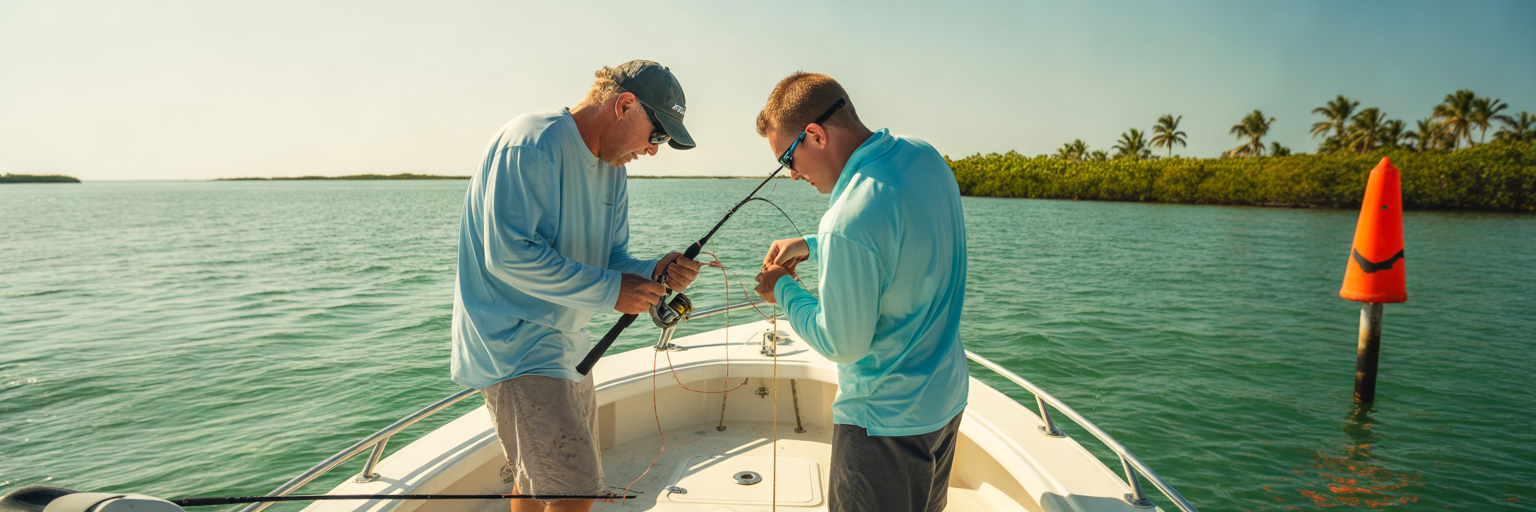
Florida manages over 8,400 miles of tidal shoreline through a user-funded conservation system where every single permit dollar goes directly back into marine habitat restoration, fishery research, and law enforcement. Knowing the exact breakdown of Florida saltwater license costs before you back your trailer down the ramp ensures your Saturday morning stays focused on the tide rather than a preventable citation.
Breaking Down Florida Saltwater License Costs Before You Launch
Nobody wants to be fumbling with one bar of cell service at the boat ramp at 5:30 AM on Saturday while three trucks wait in line behind them. Even worse is getting stopped by a law enforcement patrol skiff on the flats right as the incoming tide starts pushing bait, only to realize your annual pass expired last month. Squaring away your paperwork on Friday night is just as important as icing down the fish box and checking your drag. Understanding the baseline rules for your florida fishing license and knowing how FWC fishing license prices work keeps your weekend focused on putting fish in the boat.
Residency Proof and Qualification Rules
Your first checkpoint at the checkout screen is proving whether you qualify for local rates or out-of-state tiers. The state draws a hard line between full-time locals and visiting anglers, and the system verifies your status directly through the state driver database. To unlock resident pricing, you must hold a valid Florida driver license or official state identification card that has been on file for at least six consecutive months.
Active-duty military personnel stationed in the state on permanent change-of-station orders also qualify for resident status, along with their immediate dependents. If you recently moved to the coast and have not hit that six-month mark on your driver card, you can still prove residency at a local county tax collector office by presenting a recorded homestead exemption document or a formal sworn residency affidavit backed by utility and voter records.
Hidden Checkout Fees and Nonrefundable Policies
While the base permit rates are locked in by state law, the final total on your bank statement almost always runs a couple of dollars higher. As outlined on the official Florida Fish and Wildlife Conservation Commission recreational saltwater licensing page, statutory base prices do not include third-party vendor handling or online processing charges. When you buy through the state web portal, a county tax collector, or the bait shop counter, expect an extra convenience or sub-agent issuance fee ranging from $0.50 to $2.25, plus a small credit card percentage.
Keep in mind that every single license transaction is strictly final and nonrefundable. Once that permit prints or hits your digital account, you own it, even if a late tropical storm blows 30 knots all weekend and keeps your boat on the trailer.
Digital Verification on the Water
Digging through a damp center console glovebox for a soggy piece of thermal paper while the bite is firing is a waste of prime fishing time. Modern enforcement officers prefer digital verification just as much as anglers do. By downloading the official GoOutdoorsFlorida app or linking your customer ID number directly inside the Fish Rules mobile tool, you can store a verified digital copy of your credentials right on your phone.
Once synced at home on your Wi-Fi, your digital license displays valid coverage completely offline, meaning you are fully legal even when you are 20 miles off the beach or tucked deep inside the Everglades backcountry with zero reception. Confirm your residency documents, pay the small portal fee on Friday afternoon, and sync your mobile app before you ever hook up the trailer.
Florida Resident Saltwater Options From the Beach to the Boat
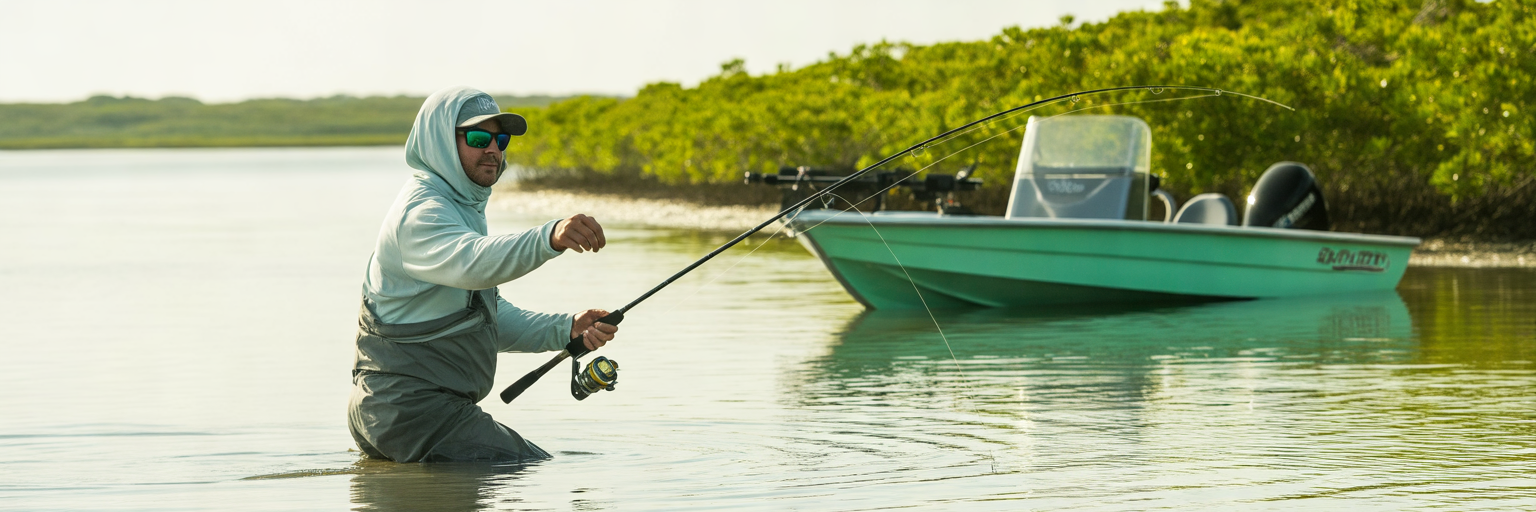
Once your local status is verified in the state system, you have to match your permit tier to how you actually reach the water. Florida gives locals a massive price break compared to visitors, but picking the wrong resident option can still earn you a court date if you step off the sand and onto a hull.
The $17.00 Annual Vessel-Capable Standard
For the vast majority of local weekend anglers, the $17.00 annual resident recreational saltwater fishing license is the mandatory baseline. This single pass covers you for 365 days across state coastal waters, whether you are poling a technical skiff across Mosquito Lagoon, running a bay boat through Tampa Bay passes, or pushing an offshore center console out to the reef.
Many weekenders do not realize that Florida defines any floating craft used to reach or catch fish as a vessel. If you launch a pedal kayak into the mangroves, stand on a paddleboard to sight-cast to redfish, or ride a personal watercraft out to an inlet, the state views you as a boating angler and requires the $17.00 license in your pocket.
The Free Shoreline License and the Island Wading Trap
If your weekend routine stays strictly planted on solid ground, you can pick up the no-cost Florida shoreline fishing license. This free annual pass covers Florida residents casting from a beach, working a public bridge catwalk, fishing a dock, walking out onto the East Pass rock jetty in Destin, or wading into the grass flats directly from the mainland shore. Even though the price tag is zero, you must still register for the permit annually so the state can track recreational angler numbers for federal conservation funding grants.
However, the free shore permit creates the single biggest legal trap on the water for weekend anglers. If you use a skiff, kayak, or paddleboard to cross the Intracoastal Waterway to reach an unbridged barrier island, spoil island, or exposed low-tide sandbar and then hop out to wade on foot, your free shoreline license does not cover you. The exact moment a floating craft transports you to that fishing spot, our breakdown of private boat license rules applies, and you must carry the $17.00 vessel-capable pass.
Multi-Year, Combo, and Age Exemption Tiers
Locals who split their weekends between throwing topwater plugs for largemouth bass in the lakes and chasing snook in the passes can grab the resident freshwater and saltwater combo license for $32.50, saving a couple of bucks over buying both separately. If you hate dealing with annual renewal reminders, the five-year resident saltwater license costs $79.00, shaving $6.00 off the yearly math and keeping you legal for half a decade. Diehard outdoorsmen who also hunt whitetails and turkeys can step up to the $100.00 Gold Sportsman package, which bundles saltwater, freshwater, hunting, and specific harvest stamps into one card.
Florida law also grants automatic statutory exemptions based on age. Resident youth under 16 years old and Florida residents age 65 and older do not need to buy a base recreational license, provided seniors carry a valid Florida driver license or state ID card on the water to prove their age and residency. For everyone else between 16 and 64, the choice is simple: if your feet never leave the mainland beach or bridge, get the free shoreline pass, but if you touch any boat, kayak, or spoil island, pay the $17.00 and fish worry-free.
Non-Resident Short-Term and Annual Pricing for Visiting Anglers
While locals enjoy free shoreline access and cheap yearly rates, visiting anglers trailering a bay boat down from Georgia or flying in for a long weekend face a completely different fee structure. Out-of-state visitors do not get a free shoreline pass. Whether you are soaking sand fleas in the surf off Jacksonville or running 30 miles offshore out of Islamorada, a non resident Florida fishing license costs the exact same amount from the sand as it does from a deck.
Comparing 3-Day, 7-Day, and Annual Visitor Passes
Florida breaks visitor coverage into three straightforward time windows. The 3-day non-resident saltwater license costs $17.00, the 7-day pass runs $30.00, and the annual non-resident license sits at $47.00. When you select your start date and time at checkout, the state clock runs on consecutive days down to the exact minute. You cannot split a 3-day pass across three separate Saturdays; if you activate it for Friday at 6:00 AM, your coverage expires on Monday at 6:00 AM sharp.
The Two-Weekend Break-Even Strategy
Before you click buy on a short-term pass, run the calendar math on how many times you plan to cross the state line over the next 12 months. Many out-of-state anglers trailering down to the Panhandle or the Keys end up overpaying because they buy permits one trip at a time. When going through our Destin license checklist for visiting anglers, you will see how fast those short-term passes add up.
If you book a week-long family beach trip in July ($30.00) and then sneak back down with your buddies for a quick 3-day fall bull redfish run in October ($17.00), you have already spent $47.00. The same math applies if you make just three 3-day weekend trips within a year, which totals $51.00 plus three separate vendor checkout fees. Buying the $47.00 annual non-resident pass on trip number one pays for itself by your second or third weekend, saves you repeated processing charges, and lets you make spontaneous weekend runs whenever the wind lays down.
Rules for Snowbirds and Coastal Property Owners
One of the most frequent arguments at local tackle shop counters involves part-time winter residents who own a canal home, condo, or wet slip in Florida but keep their primary driver license in Alabama, Ohio, or New York. Owning coastal real estate, paying county property taxes, or showing a local marina slip lease does not qualify you for the $17.00 resident fishing license. State law ties resident hunting and fishing rates strictly to your primary legal domicile. If your driver license, voter registration, and homestead exemption live in another state, you must buy from the non-resident menu.
| License Tier | Base FWC Cost | Duration | Valid Access Methods | Weekend Angler Break-Even Point |
|---|---|---|---|---|
| Resident Shoreline Only | $0.00 | 12 Months | Beach, dock, bridge, jetty, or wading directly from land | Best for strictly land-based locals who never step on a boat or kayak |
| Resident Annual Saltwater | $17.00 | 12 Months | All vessels, kayaks, paddleboards, spoil islands, and shore | Mandatory from trip 1 if using any floating craft to fish or reach a spot |
| Non-Resident 3-Day | $17.00 | 3 Consecutive Days | Both shore and vessel access statewide | Ideal for 1 or 2 quick weekend trips per year ($17 to $34 total) |
| Non-Resident 7-Day | $30.00 | 7 Consecutive Days | Both shore and vessel access statewide | Best for a single week-long coastal vacation with no return trips planned |
| Non-Resident Annual | $47.00 | 12 Months | Both shore and vessel access statewide | Pays off on your 3rd weekend trip or 1 week-long trip plus 1 weekend run |
Base fees reflect statutory Florida Fish and Wildlife Conservation Commission pricing prior to third-party vendor handling or online processing charges.
Looking at the numbers side by side makes the call easy. Single-trip visitors should match their exact vacation days, while anyone trailering down more than twice a year should lock in the $47.00 annual pass immediately.
Target Species Permits and Stamps That Add to Your Base Cost
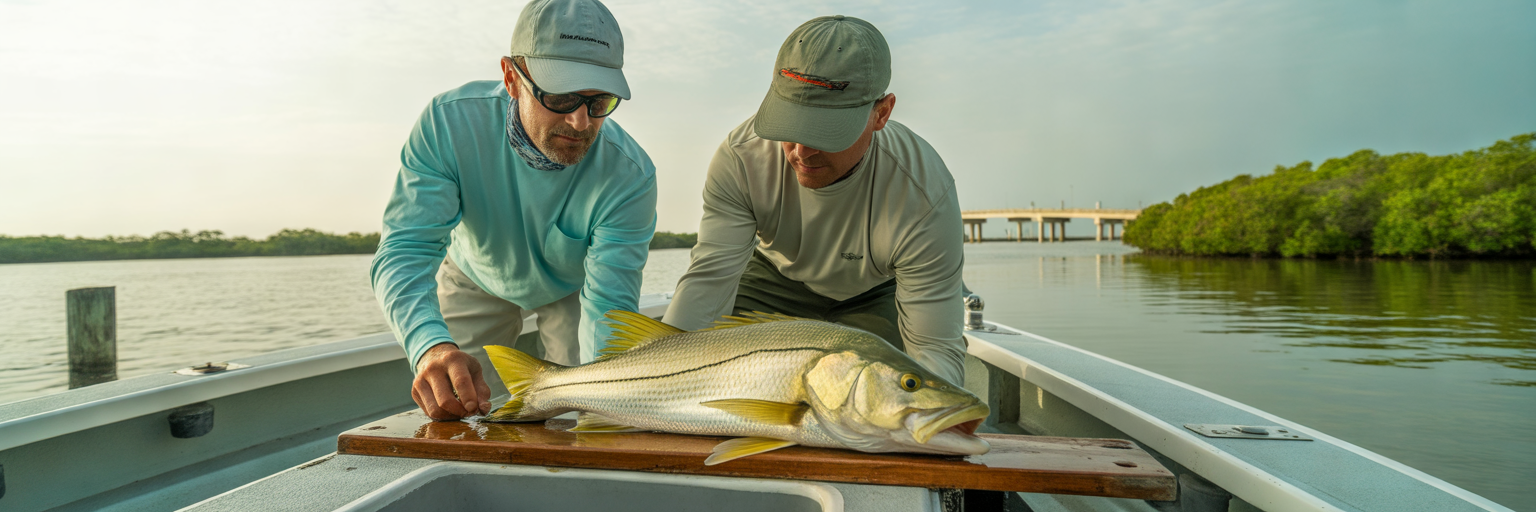
Holding a valid resident or visitor base license gets your lines in the water, but it is only step one if you plan to put certain trophy species in the cooler. Florida requires specialized endorsements and harvest stamps for heavily managed gamefish, and misunderstanding when these stamps apply can turn a legal slot fish into a pricey ticket.
Snook and Spiny Lobster Harvest Stamps
When checking the snook permit cost Florida charges an extra $10.00 per year for both residents and visitors, while the Spiny Lobster Permit adds $5.00 to your annual tab. A common misconception among newer anglers is thinking you need a snook stamp just to pitch live pilchards around dock lights or passes. You do not need a snook permit to target, hook, and immediately release snook in Tampa Bay, Sebastian Inlet, or anywhere else in the state.
The $10.00 stamp is strictly a harvest and possession endorsement required only when you intend to ice down a legal slot fish during an open regional season. Furthermore, even if you are a Florida local fishing off the beach with a free shoreline pass, you still have to pay the $10.00 snook stamp fee if you want to take a legal keeper home for dinner.
The World-Record Tarpon Tag Reality
When scrolling through the state checkout menu, you will also spot a Tarpon Tag listed at roughly $51.50, limited to one tag per angler per year. Do not add this to your cart for a standard weekend trip. Florida manages silver kings as a virtually 100 percent catch-and-release fishery, complete with strict regulations prohibiting anglers from pulling any tarpon over 40 inches out of the water into the boat. The $51.50 Tarpon Tag exists solely for anglers pursuing an official International Game Fish Association (IGFA) world record harvest, making it completely unnecessary for weekend sportfishing.
Mandatory No-Cost Reef Fish and Shore-Based Shark Permits
Some of the most heavily enforced add-ons in Florida do not cost a single penny, yet forgetting to add them to your profile draws immediate heat at the boat ramp. If you are rigging up with our Florida bottom fishing rigs guide to drop baits on ledges from a private boat or kayak, you must hold the free State Reef Fish Angler designation. This zero-dollar endorsement is mandatory for anyone aboard a private vessel intending to catch or keep snapper, grouper, amberjack, triggerfish, or hogfish in Gulf or Atlantic waters.
Similarly, if you plan to cast heavy tackle from the sand or a bridge for blacktips, bulls, or hammerheads, you must hold the free Shore-Based Shark Fishing Permit. Getting this annual permit requires completing the state online educational course covering shark identification, prohibited species rules, and proper de-hooking protocols.
- Snook Permit ($10.00 Annual): Required for both residents and non-residents (unless exempt by age) strictly to harvest and possess a legal slot snook during open regional windows; not required for catch-and-release fishing.
- Spiny Lobster Permit ($5.00 Annual): Mandatory for anyone diving, bullying, or tickling spiny lobster for harvest during the two-day sport mini-season or the regular August-through-March season.
- Tarpon Tag ($51.50 Per Tag): Restricted exclusively to anglers attempting to harvest a fish for an official IGFA world record application; zero requirement for normal catch-and-release tarpon fishing.
- State Reef Fish Angler ($0.00 Annual): Mandatory for all anglers (including seniors 65+ who are otherwise exempt from base licenses) fishing from a private vessel or kayak targeting mutton, mangrove, red, or vermilion snapper, gag or red grouper, amberjack, triggerfish, or hogfish.
- Shore-Based Shark Fishing Permit ($0.00 Annual): Mandatory for all land-based anglers targeting sharks from beaches, jetties, or bridges, including youth 16 and older and seniors 65+; requires passing the online conservation course prior to issuance.
- Federal HMS Angling Permit ($26.00 Per Vessel): Issued by NOAA Fisheries rather than the state; mandatory for any private recreational vessel running offshore to target or harvest tunas (like blackfin or yellowfin), billfish (sailfish and marlin), swordfish, or oceanic sharks in federal waters.
Charter Boats, Licensed Piers, and License-Free Fishing Weekends
While private boaters and DIY surf casters have to manage their own permits and stamps, there are several scenarios where weekend anglers can leave their personal wallet cards at home because the venue, the captain, or the calendar provides full legal coverage.
How Charter Captain Blanket Coverage Works
Whenever you step aboard a legitimate, full-time guide skiff, offshore charter boat, or commercial party headboat, you do not need to buy a personal saltwater fishing license. Licensed captains pay hundreds of dollars annually for a commercial vessel blanket license that automatically covers every paying passenger on deck for the duration of the trip. As we highlight when breaking down what Destin charter rates include for guests, that captain blanket pass even covers your individual snook and spiny lobster harvest stamps while you are fishing from their boat.
Licensed Piers Versus Unpermitted Bridges and Jetties
You can find a similar blanket exemption on many of Florida’s iconic municipal and commercial ocean piers, such as the Skyway Fishing Pier State Park or Pier 60 in Clearwater. When a pier operator pays the state for a blanket recreational pier license, your daily walk-on admission ticket covers your saltwater fishing permit while you remain on that deck.
Never assume every concrete structure over the water carries this coverage. Before you make a cast, verify directly at the pier bait shop window that they hold an active blanket license. Public highway bridges, county-maintained fishing catwalks, rock jetties, and neighborhood park boardwalks almost never carry blanket pier licenses, meaning you will get cited if you fish them without a personal resident or visitor pass.
Private Recreational Vessel Licenses and FWC License-Free Days
Florida also offers an optional Private Recreational Vessel blanket license that covers anyone fishing aboard a personally owned boat, regardless of whether your guests hold individual permits. However, the state prices this private boat blanket pass at $2,000.00 per year. Unless you are hosting dozens of unlicensed out-of-state clients on your center console every single month, spending $2,000.00 makes zero financial sense when your visiting buddies can simply buy $17.00 three-day passes on their phones at the dock.
Finally, the state opens the coast to both residents and out-of-state visitors with four official License-Free Saltwater Fishing Days every year. These dates fall on the first consecutive Saturday and Sunday in June, the first Saturday in September, and the Saturday after Thanksgiving. On those four days, base license, snook permit, and reef fish endorsement requirements are waived for everyone, though every single slot limit, bag limit, seasonal closure, and gear rule remains strictly enforced. Whether you are covered by a charter captain, a ticketed pier, or a license-free Saturday, knowing the boundaries of your exemption keeps your trip clean.
Where Recreational Stops and Commercial Saltwater Licensing Begins
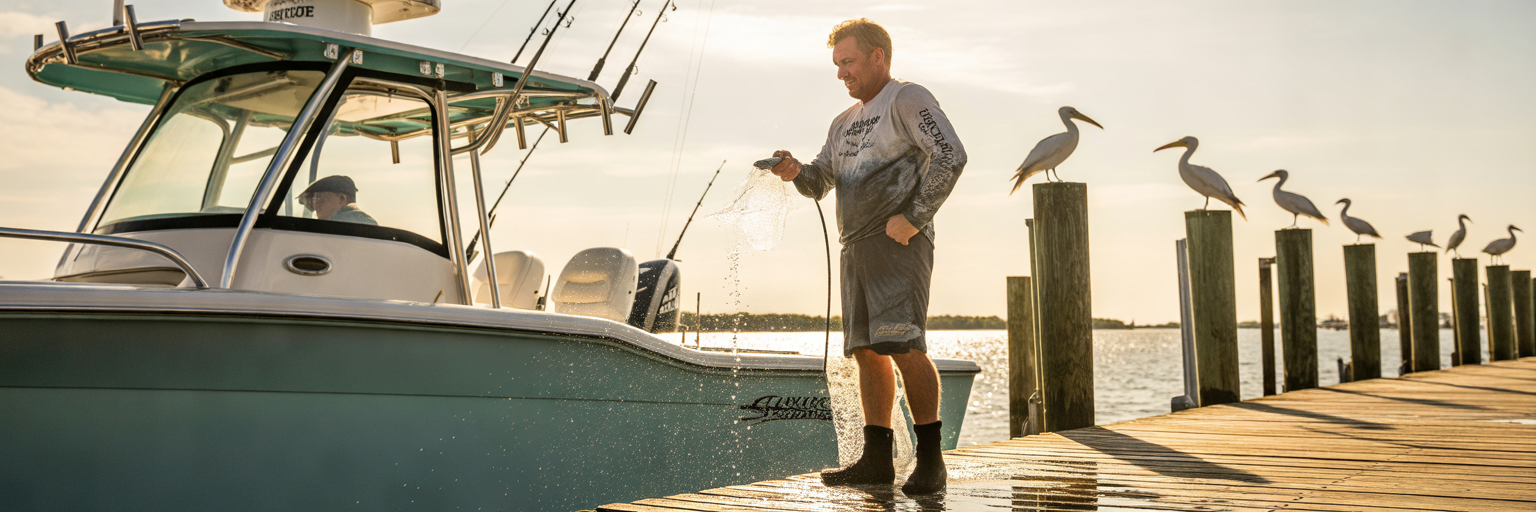
Every skilled weekend boat owner who hits a thick weed line off Palm Beach and stacks the box with mahi, or limits out on mangrove snapper and kingfish over a Gulf wreck, eventually asks the same question at the cleaning table: can I sell my extra fillets to a local dockside restaurant or fish market to help offset $300 in boat gas, ice, and live bait? Crossing that line requires a Florida commercial fishing license, and ignoring the boundary carries severe penalties.
Why Selling Extra Catch to Offset Fuel Bills Is Illegal
Let us be completely clear: selling, bartering, or trading even a single fish or fillet caught under a recreational saltwater license is a major wildlife crime in Florida. You cannot trade extra grouper fillets to a dockside tiki bar for a tab credit, and you cannot sell excess mahi out of your cooler to neighbors on social media to cover your fuel burn.
State marine patrol officers regularly audit restaurant invoices and monitor local selling groups. Both the recreational angler selling the catch and the restaurant kitchen buying fish from an unlicensed source without a wholesale dealer tag face massive fines, mandatory court appearances, criminal misdemeanor or felony charges, and the potential seizure of fishing tackle and vessels.
Saltwater Products Licenses and Restricted Species Endorsements
Legally harvesting marine life for sale requires applying for a commercial Saltwater Products License (SPL), which costs $50.00 annually for an individual resident ($200.00 non-resident) or $100.00 to cover an entire commercial vessel ($400.00 non-resident). While a $50.00 or $100.00 SPL sounds like a cheap loophole for a weekend warrior to start selling fish at the dock, the state blocks casual boaters with a massive regulatory wall called the Restricted Species Endorsement (RS).
Almost every high-value food fish a weekend angler wants to sell—including all snapper, grouper, king mackerel, spanish mackerel, cobia, pompano, hogfish, and red drum—is classified as a Restricted Species. Holding a base SPL only lets you sell unregulated baitfish or low-tier species like mullet and grunts. To qualify for the Restricted Species Endorsement needed to sell grouper or snapper, you must prove through federal tax returns and wholesale trip tickets that at least $5,000.00 or 25 percent of your total annual income comes directly from commercial fishing.
Requirements for Running Paid Weekend Guiding Trips
A similar wall applies to boat owners tempted to run paid charter trips on Saturdays or post “shared-expense” seats online that charge strangers more than a strict pro-rata split of gas, oil, bait, and ice. The moment you take compensation to guide passengers or charge above true out-of-pocket trip expenses, you are operating as a commercial charter vessel.
Doing so legally requires holding an active federal U.S. Coast Guard Captain License (such as an OUPV Six-Pack or Master credential), enrolling in a random federal drug testing consortium, carrying commercial marine insurance, and buying a state charter permit. As detailed on the official FWC Commercial Saltwater Licenses page, all commercial SPL and charter applications must be filed and verified through the state online commercial portal prior to taking a single dollar on the water.
| License Category | Base Annual Fee (Resident / Non-Resident) | Legal Authority Granted | Key Qualification Hurdles |
|---|---|---|---|
| Recreational Saltwater License | $17.00 / $47.00 | Personal harvest within recreational bag and slot limits; zero sale or barter allowed | Valid government ID; state residency proof for $17 tier |
| Individual Saltwater Products License (SPL) | $50.00 / $200.00 | Commercial harvest and sale of non-restricted marine species to licensed wholesale dealers | Mandatory application via FWC online commercial portal |
| Vessel Saltwater Products License (SPL) | $100.00 / $400.00 | Covers everyone aboard a registered commercial vessel harvesting for sale | Valid commercial vessel registration and FWC portal filing |
| Restricted Species Endorsement (RS) | Added to SPL | Required to commercially harvest or sell snapper, grouper, kingfish, pompano, and cobia | Must prove minimum $5,000 or 25% of annual income from commercial fishing |
| FWC Saltwater Charter License | $200.00 to $800.00+ (by passenger tier) | Authorizes taking paying passengers fishing and covers customer recreational licenses | Requires active USCG Captain’s License (OUPV or Master) and vessel registration |
Commercial fees and qualifications are governed by FWC Division of Marine Fisheries Management rules and require submission through the state commercial licensing portal.
For weekend anglers, the takeaway is simple: enjoy your catch at your own backyard grill, share extra fillets freely with family and friends, and leave fish sales and paid guiding to credentialed commercial operators.
Smart Weekend Trip Planning Beyond Your FWC License
Getting your permits and endorsements squared away is the foundation of a clean trip, but turning that license investment into bent rods requires dialing in the rules and conditions for the exact water you plan to fish on Saturday morning.
Regional Management Zones and Park Boundaries
Having a valid license and a $10.00 snook stamp in your wallet is only half the compliance game on Florida inshore waters. The state manages snook, redfish, and spotted seatrout through localized regional management zones, including the Panhandle, Big Bend, Tampa Bay, Sarasota Bay, Charlotte Harbor, Southwest, Southeast, and the Indian River Lagoon. A slot limit or open harvest window that is completely legal at a boat ramp in St. Petersburg might be strictly catch-and-release 45 minutes south in Sarasota.
You also have to watch your GPS chartplotter when fishing near federal and state park boundaries. Running your skiff into Everglades National Park or Biscayne National Park triggers special park-specific bag limits, possession rules, and live bait restrictions that override standard state waters.
Matching Your Permits With Required Conservation Gear
Your license endorsements also dictate the exact terminal tackle and release tools that must be sitting on your deck when a marine patrol officer steps aboard. If you carry the mandatory State Reef Fish Angler designation and are targeting snapper or grouper, you are legally required to have a rigged, functional descending device or venting tool ready for immediate use to combat barotrauma, along with non-offset, non-stainless circle hooks when fishing natural baits over reefs.
Once your legal gear is rigged, maximize every dollar spent on licenses by pairing your permit check with real-time environmental data. Studying our guide on reading Florida fishing tide charts helps you time the peak water movement in Tampa Bay passes, just as checking wind direction, moon phases in the Keys, and water clarity on the flats separates a dead boat ride from a limit catch.
The Friday Afternoon Pre-Launch Checklist
Run through this six-step protocol every Friday afternoon so your Saturday launch goes off without a hitch:
- Verify Base License Expiration Dates: Open your GoOutdoorsFlorida or Fish Rules app on Wi-Fi to confirm your resident ($17.00) or non-resident ($17.00 to $47.00) coverage is active and synced for offline display.
- Audit Target Species Stamps: Confirm that everyone on the boat who wants to take fish home holds the required Snook ($10.00), Spiny Lobster ($5.00), State Reef Fish ($0.00), or Shore-Based Shark ($0.00) endorsements matching Saturday’s game plan.
- Check Regional Management Zone Rules: Verify the exact slot window, bag limit, and seasonal status for redfish, trout, and snook in the specific regional zone where your boat ramp sits.
- Inspect Mandatory Compliance Gear: Make sure a pinched-tail measuring board, long-nose de-hooker, rigged descending device or venting tool, and packs of non-offset circle hooks are on the boat before leaving the driveway.
- Dial In Local Water Intelligence: Cross-check Saturday’s high and low tide swings, wind speed, barometric trend, and local water clarity reports to pick the highest-percentage launch ramp and bite window.
- Weigh the Charter Alternative for Visitors: If you are an out-of-state crew only hitting the coast once or twice a year, review our breakdown of Florida mahi charter costs to see how booking a vetted local captain who supplies all blanket permits, tournament tackle, bait, and daily fish location data often beats buying individual visitor passes and burning your own fuel.