
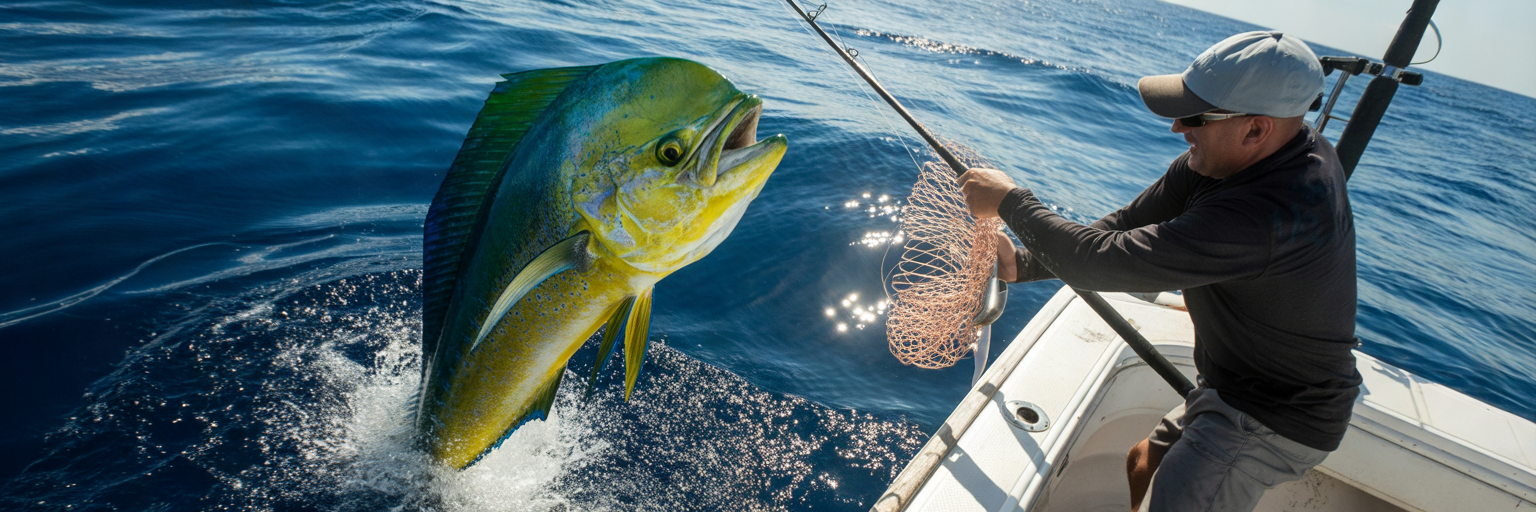
Modern twin and triple outboard engines burn between 30 and 60 gallons of marine fuel per hour at cruising speed, making the run to the Gulf Stream the single largest expense on any offshore trip. Understanding how captains calculate that fuel burn alongside boat overhead helps you evaluate Florida mahi charter costs and book a productive trip without dockside surprises.
Breaking Down Florida Mahi Charter Costs by Trip Duration
When you start calling captains to price out an offshore trip, the initial sticker shock catches a lot of first-time crews off guard. That happens because standard private charters do not charge by the head. You are renting the entire vessel, the captain, the mate, and a full arsenal of blue-water gear as a single package. Once you split that base rate among four to six anglers, the math shifts from an expensive luxury to a practical investment for a meat haul.
Half-Day vs. Three-Quarter and Full-Day Offshore Runs
Your budget directly controls how far past the sea buoy your captain can push the throttles. A four-hour half-day run ranges from $800 to $1,400, which only works when a stiff east wind pushes the Gulf Stream current edge and sargassum weed lines within a few miles of the inlet. If the blue water retreats offshore, a four-hour window leaves you trolling dead green water over the outer reef while watching the clock.
Stepping up to a six-hour three-quarter day at $1,300 to $2,200 buys the captain time to work mid-range color changes and current rips out to 20 miles. However, an eight to ten-hour full day priced between $1,800 and $4,200 is mandatory when you need to run 25 to 50 miles offshore to hunt down floating debris, deep-water temperature breaks, and diving frigate birds. That extra time on the water gives the crew room to locate productive grass patches, work the current edges, and transition from high-speed trolling spreads to casting pitch baits, which is the foundation of our guide to mahi mahi fishing in blue water. Because seasonal current shifts and water temperatures dictate whether a quick four-hour hop or a full-day marathon makes sense for your target month, always check our seasonal mahi booking guide before locking in your trip length.
| Trip Duration | Average Price Range | Typical Offshore Range | Best Fishing Scenario |
|---|---|---|---|
| Half Day (4 Hours) | $800 to $1,400 | 3 to 12 miles from inlet | Southeast Florida or Keys when east winds push weed lines near the reef edge |
| Three-Quarter Day (6 Hours) | $1,300 to $2,200 | 12 to 25 miles from inlet | Working mid-range current rips, color changes, and scattered grass lines |
| Full Day (8 to 10 Hours) | $1,800 to $4,200 | 25 to 50+ miles from inlet | Hunting pack schools of gaffer mahi under frigate birds and deep-water floaters |
| Extended Run (10 to 12 Hours) | $3,200 to $5,500 | 50 to 80+ miles from inlet | Long-range Gulf Coast or Northeast Florida runs to the Gulf Stream ledge |
The Real Overhead Behind Legitimate Offshore Rates
Any angler who has maintained an offshore boat knows why current offshore fishing charter prices sit where they do. You are not just paying for a captain to steer for eight hours. A legitimate commercial operation carries heavy fixed costs before the engines even turn over at dawn.
Twin or triple 300-horsepower outboards require constant lower-unit service, 100-hour oil changes, and commercial marine insurance policies that cost thousands of dollars a year. Add in commercial marina slip fees, 400 pounds of flake ice loaded into the fish boxes every morning, and tens of thousands of dollars in matched trolling outfits and high-speed spinning reels that take a relentless saltwater beating. Paying a legitimate rate puts you on a mechanically sound vessel where the livewell pumps work, the fluorocarbon leaders are fresh, and you spend your day putting dolphin in the box instead of limping back to the dock on one engine.
Avoiding the Short-Run Trap on Discount Boats
When a dockside brochure advertises an offshore charter for $300 less than every other boat in the basin, ask yourself how that operator is making up the margin. Usually, you are looking at the classic short-run trap. To save fuel, a cut-rate captain will pull the throttles back to an 18-knot hull slog and drop the lures just past the outer reef in 120 feet of dirty water.
Mahi are migratory pelagics that travel along offshore current edges, temperature breaks, and deep-water contours. If a boat refuses to burn the gas required to find clean 76-degree to 82-degree blue water, your crew is paying for an expensive boat ride over empty bottom. Match your budget to the hours and fuel range required to reach the edge, rather than booking the cheapest four-hour trip just to say you went offshore.
How Departure Ports and Run Distances Shape Your Budget
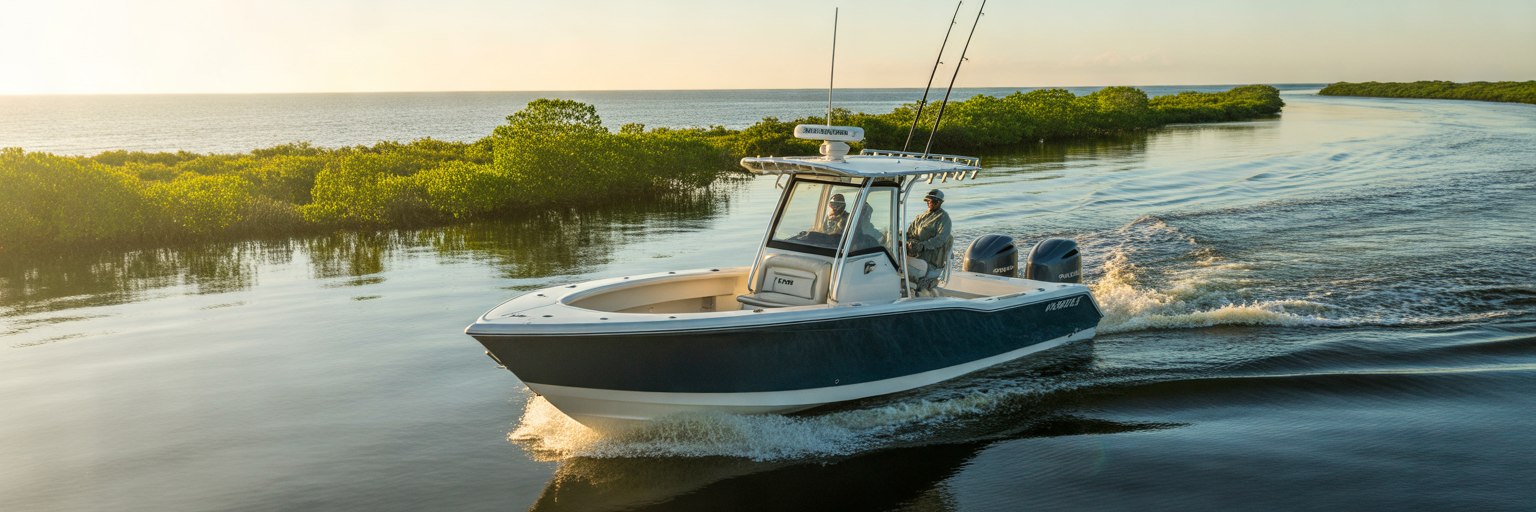
While trip hours set the baseline rate, underwater bathymetry dictates what those hours actually accomplish on the water. The distance from the jetty rocks to the 600-foot depth contour changes dramatically depending on which Florida coast you fish, directly affecting how much fuel your boat burns before the mate ever drops a rigger line.
Southeast Florida and the Keys vs. Northeast and Gulf Coast Runs
Florida’s underwater shelf acts like a ramp that gets wider the further north or west you travel. Along the Southeast Atlantic coast from Palm Beach and Boynton down through Miami, as well as throughout Islamorada and Marathon, the continental shelf drops off right outside the inlet. The western edge of the Gulf Stream regularly pushes within 3 to 10 miles of the beach. Because deep pelagic water sits so close to land, mahi fishing Florida keys runs and Palm Beach departures give you maximum lines-in-the-water time. Before locking in your spring dates in Monroe County, check our Florida Keys spring mahi calendar to match those short offshore runs with the peak migration windows.
Contrast that narrow shelf with Northeast Florida ports like Jacksonville and St. Augustine, or Gulf Coast hubs like Tampa Bay, Panama City, and Destin. Up in the northeast, the Gulf Stream ledge sits 50 to 70 miles east of Mayport. Over on the Gulf Coast, crews running out of East Pass or St. Andrews Pass have to cover 25 to 50 miles to reach deep blue water, floating weed lines, and offshore FADS, which we map out in our Destin seasonal water guide. In Palm Beach, a four-hour charter still delivers three solid hours of trolling. In Jacksonville or Tampa, a four-hour trip will not even get you halfway to the mahi grounds and back.
Marquee Harbor Rates vs. Smaller Regional Inlets
Beyond the run distance to the ledge, the local real estate at your departure port plays a major role in your total deep sea fishing cost Florida wide. High-profile tourist marinas in Miami Beach, Key West, and Islamorada charge captains steep commercial dockage fees and take a percentage of walk-up bookings. Those marinas also see relentless tourist demand, allowing fleets to command premium daily rates year-round.
If your crew has a truck and does not mind driving an hour up the coast, launching out of smaller regional inlets like Fort Pierce, Sebastian, Cape Canaveral, or Mayport often trims 15 to 20 percent off the base boat rate. Dockage overhead is significantly lower in working-class fishing towns, and the local center console fleets compete heavily for repeat regional anglers rather than one-time resort guests.
Using Local Water Data to Pick Your Departure Inlet
Smart crews do not pick a departure town blindly based on hotel prices. Because mahi ride the thermal edges and current rips of the Gulf Stream, a steady three-day blow from the east or southeast can push blue water and thick mats of sargassum right against the Southeast Florida reef line.
Before you put down a deposit, study our real-time HookCurrent offshore fishing reports, sea surface temperature charts, and wind forecasts across multiple regions. If the eddy has spun 35 miles off Cape Canaveral but sits just 6 miles outside Boynton Inlet, driving two hours south lets you book a shorter trip, burn half the fuel, and spend an extra three hours working active packs of schoolie and gaffer dolphin.
Center Consoles vs Sportfish Yachts and Group Size Math
Once you narrow down your departure inlet and target range, your next budget decision comes down to the hull under your boots and how many buddies are pitching in on the tab. Vessel architecture and Coast Guard passenger limits determine both your per-person cost and how you fight fish around the boat.
The Six-Pack License Rule and Per-Angler Cost Splits
Almost every standard offshore charter in Florida operates under a United States Coast Guard Operator of Uninspected Passenger Vessels license, universally known on the dock as a six-pack license. This federal rule strictly caps the boat at six paying passengers, regardless of whether the hull is 32 feet or 60 feet long. Even if you offer to pay extra for a seventh friend or bring along a young kid who is not touching a rod, a six-pack captain cannot legally untie from the pilings with seven passengers aboard.
Understanding this six-person ceiling makes the group math simple. A $2,100 full-day charter stings when split between two anglers at $1,050 each. Bring four anglers and the price drops to a manageable $525 per person. Fill the cockpit with a full crew of six reliable friends, and that same blue-water trip drops to $350 per angler before tip, making a full six-pack squad the sharpest financial play in offshore fishing.
Fast Open Center Consoles vs. Convertible Sportfishers
Florida offshore fleets split cleanly into two distinct hull styles: high-speed open center consoles and heavy diesel convertible sportfish yachts. Modern 32-to-42-foot center consoles rigged with twin, triple, or quad outboards cruise between 35 and 45 knots. When you need to cover 35 miles of open ocean to find a weed line, or run-and-gun between scattered flocks of working birds, a fast center console saves you an hour or more of transit time. Once you hook up with a pack of bailer mahi behind the transom, the 360-degree walkaround gunwale lets all six anglers spread out from the bow to the cockpit to pitch baits without crossing lines.
By contrast, a 45-to-60-foot diesel sportfish yacht cruises slower at 22 to 28 knots and carries a higher base charter rate due to twin diesel fuel burn and crew overhead. What you trade in speed, you gain in heavy fiberglass stability and comfort. When a 15-knot northeast breeze stacks up a four-foot chop against the Gulf Stream, a 50,000-pound sportfisher slices through the swell while keeping the crew dry inside an air-conditioned salon with bench seating, a microwave, and a full marine head. Sportfishers also feature high tuna towers, giving the captain an elevated vantage point to spot floating pallets, grass patches, and free-jumping bulls half a mile away.
| Vessel Type | Typical Full-Day Base Cost | Cost Per Person (4 Anglers) | Cost Per Person (6 Anglers) | Cruising Speed & Tactical Advantage |
|---|---|---|---|---|
| Outboard Center Console (30 to 40 ft) | $1,800 to $2,600 | $450 to $650 | $300 to $435 | 35 to 45 knots; fast run-and-gun mobility and 360-degree walkaround casting deck |
| Convertible Sportfish Yacht (42 to 60 ft) | $2,500 to $4,200 | $625 to $1,050 | $415 to $700 | 22 to 28 knots; air-conditioned salon, elevated tower visibility, heavy sea stability |
| Split / Shared Six-Pack Charter | $350 to $500 per seat | N/A (Booked by seat) | N/A (Booked by seat) | Varies by boat; allows solo or duo anglers to access blue-water trolling spreads |
Shared Split Charters vs. Party Boats for Small Crews
If you are traveling solo or just fishing with one partner, absorbing the full boat rate rarely makes financial sense. Many first-timers look at $85 tickets on 65-foot party boats (headboats) as a cheap offshore alternative. Be realistic about what a headboat actually does: those vessels motor out to fixed artificial reefs or natural limestone ledges and drop squid or cut sardines to the bottom for vermilion snapper, grunts, and grouper. They do not troll ballyhoo across current rips or chase frigate birds in 1,000 feet of water. Aside from the occasional curious schoolie swimming past the stern, a party boat is not a mahi trip.
Instead, solo anglers and pairs should ask the marina dockmaster about a split charter. Reputable charter offices in hubs like Islamorada, Key West, Bud N’ Mary’s, or Sailfish Marina maintain make-up boards where they pair two or three small groups together to fill a standard six-pack sportfisher or center console. You pay a flat seat rate around $350 to $500, rotate turns in the fighting chair or on the rod belt, and split the cooler of fillets evenly at the end of the day.
Fuel Surcharges and Variable Costs to Clarify Before Booking
Locking in your boat and splitting the base rate among your crew covers the bulk of your budget, but offshore fishing carries variable operating costs that fluctuate week to week. Clarifying fuel policies, live-bait upgrades, and weather terms before you hand over a credit card prevents awkward conversations at the dock.
Flat-Rate Fuel vs. Dockside Fuel Burn Calculations
Marine fuel at commercial marina pumps consistently runs $1.00 to $1.50 per gallon higher than highway gas station prices. Because an offshore boat can easily burn 120 to 250 gallons on a hard full-day search for mahi, captains handle fuel billing in one of three ways. Most six-pack operators bake standard fuel burn into the advertised flat rate, while adding a contract clause that triggers a fuel surcharge of $100 to $300 if marina recreational 90 octane or diesel crosses a specific threshold like $5.00 per gallon. Other high-end sportfishers and long-range canyon runners quote a lower base boat rate plus actual fuel burned at the fuel dock when you return.
Before placing your deposit, ask the captain or booking agent these four direct questions:
- Is all fuel included in the quoted base price, or do we settle fuel burn at the pump after the trip?
- At what exact per-gallon marina pump price does a fuel surcharge kick in, and how is it calculated?
- Does the base rate cap our offshore run at a specific mileage limit, such as 25 miles from the sea buoy?
- If we get into a heavy late-afternoon bite under a floating tree, what is the hourly overtime rate to stay out longer?
Rigged Ballyhoo vs. Live Bait Upgrades at the Bait Barge
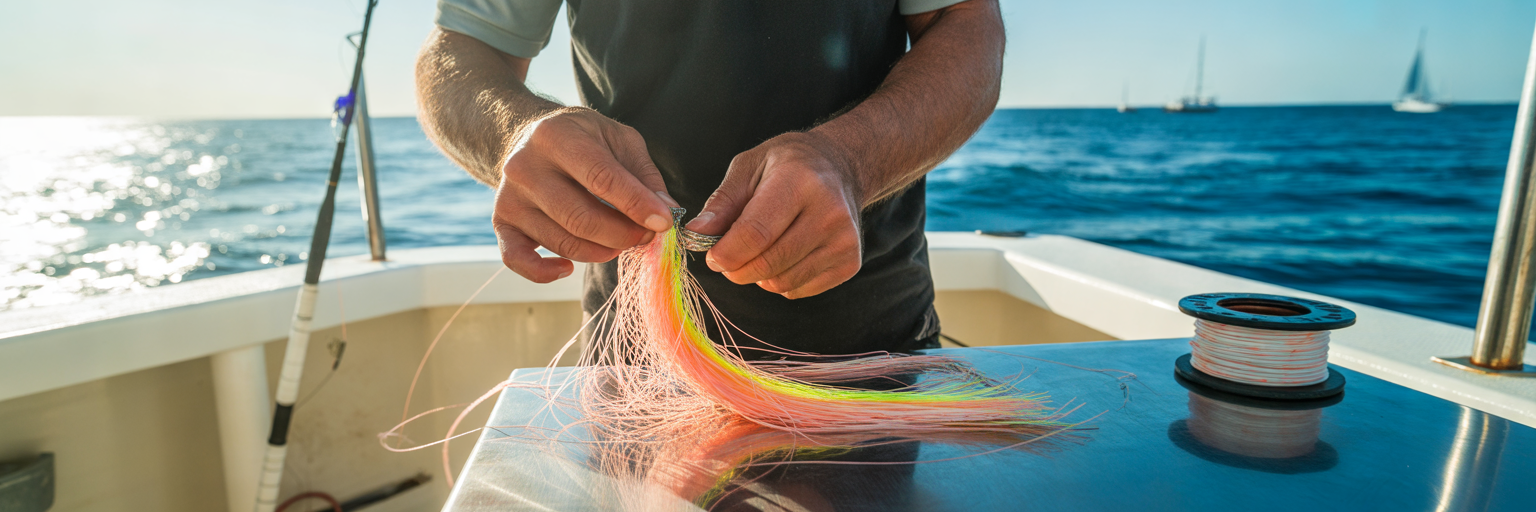
Your base charter fee almost always covers a complete dead-bait trolling spread, including brine-cured ballyhoo, squid, bonito strips, terminal tackle, and the skirted chuggers and jets we break down in our guide to offshore trolling lures for mahi. For 80 percent of offshore days, a well-run spread of rigged ballyhoo and artificial lures across the outriggers and flat lines is all you need to locate and hook dolphin.
However, when you pull up to a massive sargassum mat or a floating pallet holding lockjaw bull mahi and triple-tail in slick summer water, live bait changes the game. Throwing two handfuls of live pilchards or threadfin herring against the weed line instantly triggers a feeding frenzy, while pitching a live goggle-eye or blue runner on a circle hook targets the biggest bull in the pack. Ask your captain ahead of time how they handle live bait. Some crews spend the first 30 minutes of the morning throwing a cast net on the flats or dropping sabiki rigs on the patch reefs for free bait. If the bait is scattered or you want to hit the deep ledge at first light, stopping by a commercial bait boat to buy two scoops of pilchards or a dozen goggle-eyes will add $60 to $150 in cash to your morning tab.
Deposits, East Wind Blowouts, and Weather Cancellation Etiquette
Securing a date on a reputable boat requires a 15 to 25 percent deposit, usually between $150 and $500. Because offshore conditions can deteriorate fast when an east or northeast wind stacks up steep swells against the northbound Gulf Stream, every crew needs to understand how weather cancellations work.
First-timers often look at a generic smartphone weather app showing a 40 percent chance of rain three days before the trip and try to cancel. Scattered summer squalls are normal in Florida and captains easily steer around them on radar; wind and wave period are what actually shut down an offshore trip. Standard charter etiquette dictates that the captain makes the official safety call, often the evening before or right at the dock on the morning of the trip after checking the offshore NOAA buoys. If the captain calls the trip due to unsafe seas or small craft advisories, any reputable operation will either roll your deposit to an open day later in the week or refund it in full.
Licenses, Tackle, Fish Cleaning, and Dockside Tipping Etiquette
Once your fuel and bait arrangements are squared away, knowing what is already covered on the boat saves you from buying redundant permits or bringing the wrong gear down the dock. Just as important is understanding the dockside routine once the lines are cleared and the boat backs into the slip.
Blanket Vessel Saltwater Licenses and Provided Tackle
One of the best built-in savings on a guided Florida trip is the fishing permit. Legitimate charter captains carry a commercial vessel blanket saltwater license issued by the Florida Fish and Wildlife Conservation Commission (FWC) alongside federal reef and pelagic permits. That vessel license covers every passenger on board for the duration of the charter, meaning nobody in your group needs to buy an individual saltwater license for the day. If you plan on surf fishing from the beach or renting an unguided skiff later in the week, check our Florida saltwater fishing license guide to see which personal permits you need to purchase on your own.
Your boat rate also includes all heavy and light tackle. The mate will run matched 20-to-50-pound class conventional trolling outfits from the gunwales and outriggers to handle high-speed strikes from gaffer mahi, wahoo, and blackfin tuna. Up in the T-top rocket launchers, a dialed-in crew keeps four to six 15-to-20-pound spinning rods rigged with bucktail jigs or bare circle hooks ready to grab the second a school of bailer mahi follows a hooked fish to the boat. We always recommend loading those pitch-bait spinning reels with high-visibility braid for long casts and instant hooksets, a setup you can study in our mahi braided line setup guide. Just remember the universal tackle rule: if a big fish smokes a drag and breaks off a lure, that is normal wear and tear covered by the boat. If you set an unclipped spinning rod on the gunwale or drop a $900 combo into 800 feet of water, expect to pay for its replacement.
The Cleaning Table Routine and Bagging Your Catch
When the boat backs into the marina slip at the end of the afternoon, the job is not over for the crew. The mate will unload the fish box, hang your bull and cow mahi on the dock board for group photos, and haul the catch over to the marina cleaning table. On nearly all private Florida offshore charters, filleting, skinning, trimming out the dark red bloodline, and packing the meat into heavy-duty gallon zip-top bags is included in the mate’s service.
What the boat does not provide is a way to carry 40 pounds of wet fillets home in your rental car. Always bring a clean 50-to-70-quart hard cooler loaded with two fresh bags of ice and leave it locked in your truck at the marina parking lot. Never drag your big road cooler onto the boat at 6:00 a.m.; deck space is tight, and the vessel already has insulated fish boxes and drink coolers built into the deck.
How Much to Tip a Charter Mate and Why Cash Rules the Dock
First-time crews frequently ask how much to tip charter mate deckhands once the fillets are bagged. To get the number right, you have to understand the economics of the dock: offshore first mates work almost entirely for tips, receiving only a tiny daily base pay from the boat owner.
Your mate arrives at the marina an hour before dawn to load hundreds of pounds of ice, rig two dozen ballyhoo with copper wire, and prep the tackle. During the trip, they spend eight hours in the blistering sun clearing grass off lines, untangling wind knots, gaffing fish, and keeping the cockpit safe. After you walk away with your fillets, the mate spends another ninety minutes scrubbing mahi blood and scales off every inch of non-skid fiberglass. Across every Florida harbor, the universal standard tip is 15 to 20 percent of the total base charter cost ($300 to $600+ on a full-day trip), handed directly to the mate or captain in crisp cash at the dock. Even if the ocean was slow and the weed lines were scattered, tip a hardworking mate who constantly changed lures, moved lines, and hunted hard all day.
How to Vet Captains and Maximize Your Offshore Investment
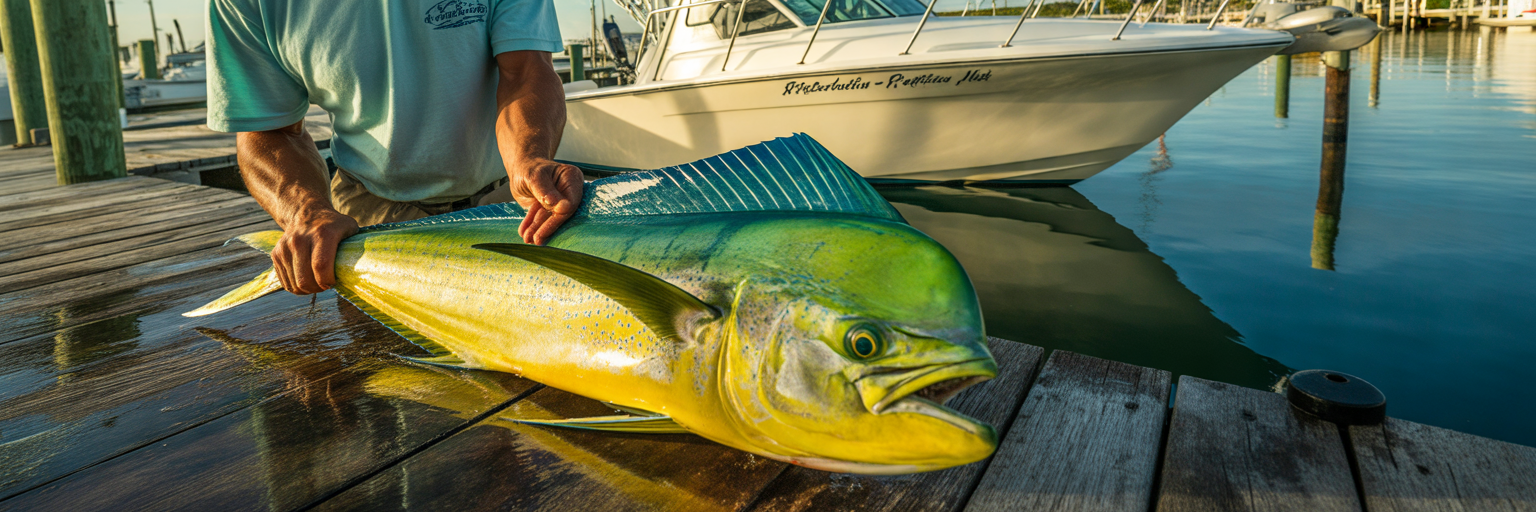
Spending two or three thousand dollars on an offshore run deserves more homework than clicking the first sponsored ad that pops up for your vacation town. Vetting your operator and showing up physically prepared turns an expensive boat ride into a productive offshore operation.
Spotting a Dialed-In Offshore Operation Before You Book
Glossy website galleries showing monster 40-pound bull mahi from twelve years ago tell you nothing about how a boat is fishing this week. When evaluating a charter outfit, look at their recent, timestamped reports and examine the details in the background of the cockpit photos. You want to see clean, corrosion-free roller guides on the trolling rods, fresh clear leader material, and fish boxes packed with clean flake ice rather than two warm blocks floating in bloody bilge water.
More importantly, get the captain on the phone for five minutes before booking. A true professional will give you an honest assessment of the current water conditions. If it is the middle of a slick calm seasonal transition and a captain guarantees you a boat limit of 30-pounders, hang up and call someone else. The best captains in the fleet will tell you straight up: “The big mahi have been scattered outside 25 miles this week, so we will troll out to the edge, and if the weeds are dry, we have deep-drop electric reels and live baits ready to put blackfin tuna and tilefish in the box.”
Using Real-Time Reports to Ask Smarter Pre-Trip Questions
You get vastly better intel from a captain when you speak their language. Before making your pre-trip phone call, spend ten minutes on HookCurrent checking the latest local offshore fishing reports, tide movement, wind direction, and water clarity data for your target inlet.
Instead of asking a generic question like “Are the fish biting right now?”, use that local data to ask sharp, tactical questions. Ask the captain: “I saw the east wind has been blowing 15 knots for three days; has that pushed a clean weed line inside 15 miles, or should we book the full ten hours so we have the fuel range to hunt birds past the 30-mile humps?” Captains immediately respect anglers who pay attention to wind and current, and it sets the tone that your crew is ready to fish hard rather than just cruise around drinking beer.
Personal Gear Checklist and Physical Recovery After a Long Run
Even though the boat supplies all the rods, reels, bait, and ice, showing up with the right personal kit keeps your crew sharp when a pack of twenty dolphin explodes around the boat at noon. Budget a little extra before your trip to pack these mandatory personal items:
- Amber or Copper Polarized Sunglasses: Cutting through blinding offshore surface glare lets you spot floating sargassum patches, current rips, and electric blue-and-green mahi flashing thirty feet below the hull. Read our guide on choosing polarized lens tints to see why amber and copper lenses outperform dark gray smoke tints when spotting fish and floating structure.
- Non-Marking Deck Shoes or Boots: Wear white or light-soled rubber deck boots or boat shoes with serious wet-grip tread. Black-soled running shoes leave ugly scuff marks on white fiberglass and slip on bloody decks.
- Lotion Reef-Safe Sunscreen Only: Leave aerosol spray cans at home. Overspray permanently stains expensive marine upholstery and turns fiberglass decks into an ice rink.
- Motion Sickness Prevention: If anyone in your crew is prone to seasickness, have them take one dose the night before at bedtime and a second dose an hour before stepping on the dock. Once you start feeling green five miles offshore, it is too late for pills to work.
- Hydration and Galley Supplies: Pack plenty of water, electrolyte packets, and easy-to-eat sandwiches in soft-sided bags. Always grab two extra subs and a few cold waters for the captain and mate.
Do not underestimate the physical grind of an eight-hour offshore run. Bracing your quads and lower back against a pitching gunwale while cranking hard-pulling pelagics in 90-degree Florida humidity drains your core strength fast. Drink electrolytes throughout the run, and plan a deliberate cool-down routine once you get back to the hotel or rental house; as detailed in a recent scientific breakdown by Personal Recovery Lab, strategic cold-water immersion after intense physical exertion helps manage muscle soreness and inflammation so your back and forearms are ready if you are fishing back-to-back days.
Before you step onto the dock, confirm these final four details with your crew: trip duration matched to the current Gulf Stream distance, four to six committed anglers to split the six-pack rate, verified fuel and live-bait terms, and an envelope of cash in the truck for the mate’s tip and the bait boat. Nail down that math ahead of time, and all you have to focus on is watching the outrigger clip pop when a bull mahi greyhounds across the spread.