
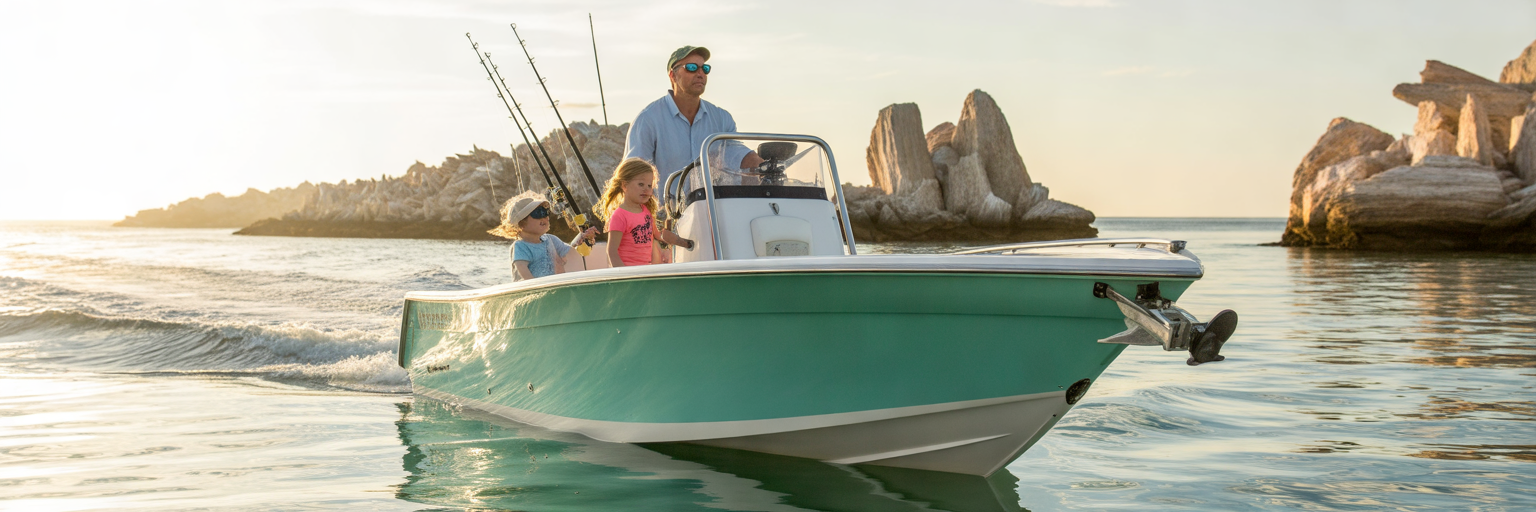
Destin sits closer to the 100-fathom curve than any other port in the Florida Panhandle, giving boaters access to deep-water structure just miles from the pass. For families and novices stepping onto the deck, however, timing your trip around calm sea states and shallow feeding cycles matters far more than deep-water proximity. Relying on a practical Destin fishing calendar lets you match seasonal water conditions and active species to the exact skill level of your crew, turning a potentially rough boat ride into an easy, rod-bending day on the Emerald Coast.
Using a Destin Fishing Calendar to Match Conditions to Skill Levels
Any seasoned local captain will tell you that the Emerald Coast produces fish twelve months a year, yet the water you fish in January looks nothing like the water you fish in July. When you bring kids or first-time guests aboard, matching local sea conditions to their comfort level is what separates a memorable trip from a long, miserable grind. Planning successful beginner fishing trips Florida anglers actually enjoy starts with prioritizing flat water, short transit times, and steady light-tackle action over marathon offshore runs. Before locking in your dates, reviewing our complete destin fishing breakdown helps you see how the local bays, passes, and Gulf waters connect across the seasons.
Protected Choctawhatchee Bay Waters Versus Open Gulf Swells
Your first major decision happens before you even clear the harbor. Heading north from East Pass puts you into the protected expanse of Choctawhatchee Bay and sheltered pockets like Joes Bayou and Hogtown Bayou. Even when a 15-knot breeze is白-capping the open Gulf of Mexico, these inland waters allow you to tuck behind leeward shorelines, docks, and grass flats where there is zero ocean swell.
Pointing the bow south through East Pass into the open Gulf introduces wave height, swell period, and longer run times. A 3-foot Gulf swell spaced at 9 seconds feels like a gentle roller, while a 3-foot chop at 4 seconds will slam a hull and turn a novice angler green before the first bait hits the bottom. For younger kids and beginners still finding their sea legs, keeping run times under 20 minutes and staying inside the pass or tight to the beach line keeps everyone focused on catching fish rather than holding onto the gunwale.
Targeting the Spring and Fall Temperature Sweet Spots
If your schedule is flexible, circle April through June and September through October on your planner. During these transition windows, surface water temperatures hover in the 70s Fahrenheit, which acts as a biological trigger for both inshore and nearshore predators. Baitfish schools flood the passes, gamefish feed aggressively to build energy, and the brutal midday humidity of peak summer is absent.
Smart trip planning also requires watching daily environmental metrics right up until departure morning. A strong outgoing tide flushing bait through East Pass, clean emerald water clarity along the beach, and a stable or rising barometer will supercharge the bite. We track these real-time variables daily on HookCurrent so you can time your charter or boat rental with moving water rather than dead slack tide. On a newcomer’s first outing, set realistic expectations by targeting high-percentage light-tackle biters instead of burning four hours trolling for a single trophy pelagic.
Spring Runs From March Through May in the Bay and Nearshore
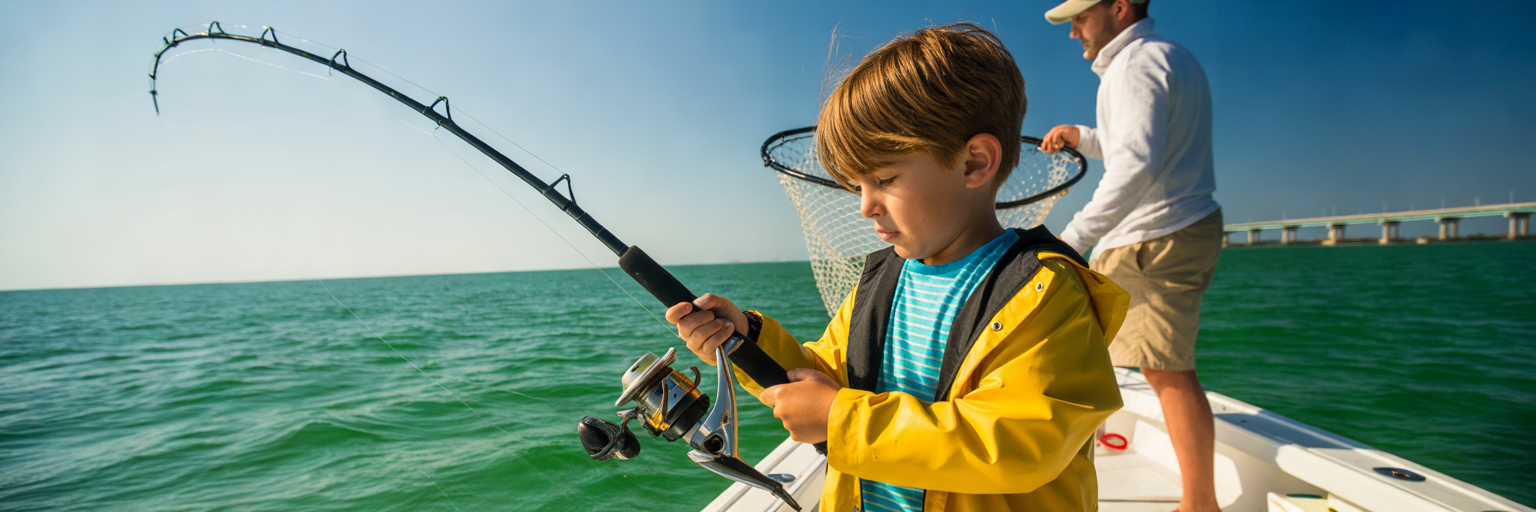
Spring wakes up the entire Panhandle fishery as longer daylight hours push water temperatures out of their winter slump. From March through May, massive schools of glass minnows, menhaden, and threadfin herring push toward the coast, drawing hungry predators into shallow, easy-to-reach zones that are tailor-made for light spinning gear.
Sight-Fishing the Flats and Sandbars as Waters Warm
By mid-March and April, the shallow grass flats and sandy drop-offs inside Choctawhatchee Bay warm into the upper 60s and low 70s. Speckled trout and slot redfish slide up onto these shallower shelves to ambush baitfish and crustaceans. Casting soft plastic shad tails on quarter-ounce jigheads or floating live shrimp under a popping cork produces visual, aggressive strikes that beginners can easily manage. To help your crew capitalize on these shallow feeding lanes, brush up on our proven redfish fishing tips for Florida anglers before you hit the flats.
Spring also brings the famous cobia migration along the outer sandbars from Crystal Beach down to Topsail Hill. Cruising the emerald green water just outside the breakers while looking for big brown fish swimming alongside manta rays or sea turtles is one of the most exciting visual hunts in saltwater fishing. Parents should keep one realistic caveat in mind during March and early April: lingering late-season cold fronts can still push chilly north winds across the water, kicking up crisp spray on morning runs. Always check the morning air temp before promising the kids a warm beach cruise.
High-Action Trolling and Nearshore Reef Drops
Once late April and May arrive, the nearshore waters around East Pass, the Marler Bridge, and the first sandbar come alive with Spanish mackerel, ladyfish, and pompano. For keeping kids and new anglers engaged, nothing beats trolling small number-zero or number-one Clarkspoons behind light planers just off the beach. The strikes happen every few minutes, the drag sings, and the gear is light enough for an eight-year-old to crank in without physical strain. Bouncing small yellow and white nylon pompano jigs along the sandy pass edges also puts delicious table fare in the cooler.
When the wind lays down, running just 3 to 10 miles outside the pass over natural limestone ledges puts you over thick schools of vermilion snapper (locally called mingos), white snapper (porgies), and gray triggerfish when the season is open. Because spring brings such a mixed bag to the boat, referencing the K2 Fishing species identification guide helps new anglers recognize and understand the habits of every fish that comes over the gunwale. Stick to 4-hour inshore or nearshore runs in the spring, and pack light windbreakers in the dry bag so everyone stays comfortable during the morning run across the bay.
Summer Peak Action From June Through August and Beat-the-Heat Tactics
June through August brings flat morning seas, gin-clear water, and the heaviest vacation crowds of the year to Destin Harbor. The fishing is red-hot, provided you adjust your clock to beat the midday solar glare and boat wake congestion.
Navigating Red Snapper Season and Nearshore Reefs
The headline event of a Panhandle summer is the Gulf red snapper season. Because deep water sits so close to East Pass, Okaloosa County maintains a dense network of public artificial reefs, bridge rubble piles, and natural wrecks starting just 2 to 8 miles off the beach. Families can drop baits down 60 to 90 feet and battle bright red 5-to-12-pound snappers without enduring a brutal 30-mile offshore commute. You can verify current seasonal harvest dates and locate public reef coordinates through the Florida Fish and Wildlife Conservation Commission saltwater fishing resource before booking your trip.
When dropping squid, cigar minnows, or bonito strips over these nearshore reefs, having the right terminal tackle prevents tangles and lost fish. Setting up your rods using our Florida bottom-fishing rigs guide ensures beginners feel the bite immediately and keep heavy snappers out of the wreck structure. Above all, leave the dock at first light around 5:30 AM or 6:00 AM. Getting out early puts you on the reef during the aggressive dawn feeding window, gets you through East Pass before the massive Crab Island pontoon flotilla wakes up the harbor, and puts you back at the cleaning table before afternoon Gulf thunderstorms build.
Beating Midday Heat on Inshore Docks and Beach Lines
By late morning in July and August, surface water temperatures climb into the mid-80s. Inshore speckled trout and redfish abandon the sun-baked shallow flats and retreat to shaded residential docks, deep bridge pilings, and cooler grass lines along the deeper bay drop-offs. To get bit midday, pitch live shrimp, small croakers, or pinfish tight against wooden pilings using a light Carolina rig with a half-ounce egg sinker.
If your crew wants drag-screaming action close to shore, trolling live cigar minnows on light wire stinger rigs within a mile or two of the beach produces explosive strikes from king mackerel and false albacore, locally known as bonitos. While a 15-pound kingfish ripping 100 yards of line off a reel is pure adrenaline, managing heavier trolling gear under the blazing July sun drains energy fast. Make sure your boat has ample T-top or bimini shade and keep cold water rotating through the crew.
Follow these five essential summer rules to keep a family trip on track:
- Book 4 to 6 weeks in advance during June and July to lock in reputable family-friendly captains before the red snapper calendar fills up.
- Choose 4-to-6-hour morning departure blocks over all-day marathons or afternoon trips that run into peak heat and lightning windows.
- Start hydrating the night before with water and electrolytes, as trying to catch up on hydration once you are already sweating on the deck rarely works.
- Scale down to 15-to-20-pound fluorocarbon leaders inshore when gin-clear summer water makes redfish and mangrove snapper leader-shy.
- Watch the southern and inland sky after 1:00 PM and never try to outfish a building summer squall line.
Fall Feeding Frenzies From September Through November
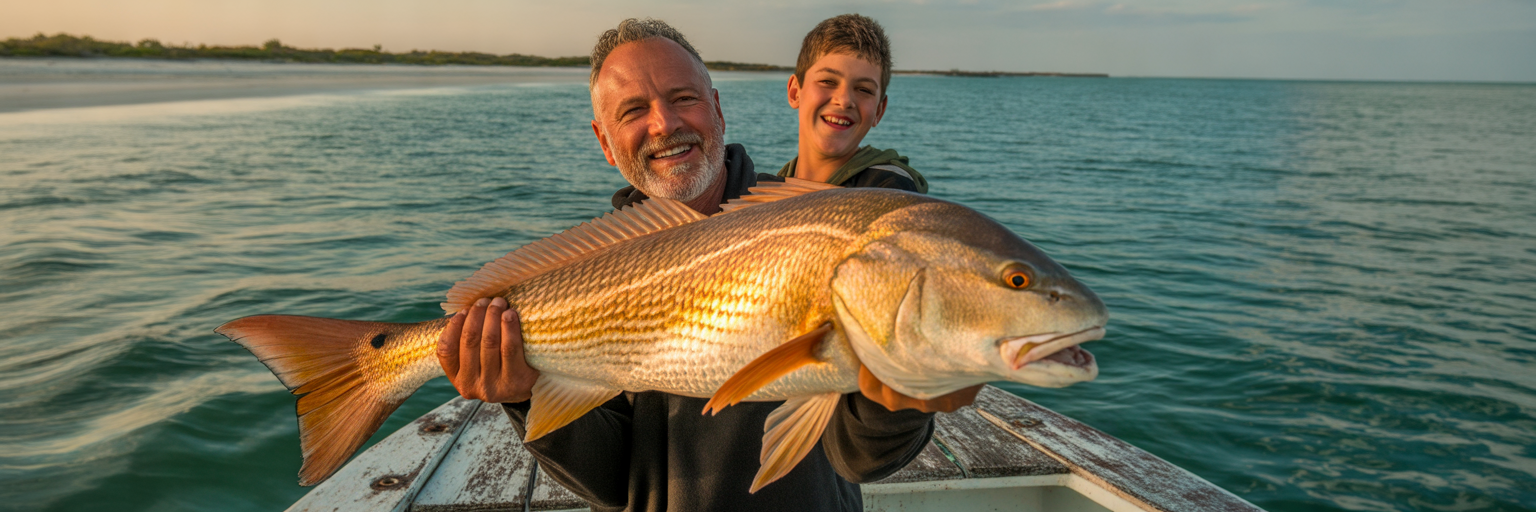
Ask any veteran local captain about the best time to fish Destin with family, and almost every single one will point directly to September and October. Right after Labor Day, the heavy summer tourist crowds vanish, harbor traffic drops by half, air humidity breaks, and water temperatures hover in the comfortable 70s. Most importantly, every predator in the bay and Gulf goes on a relentless feeding binge to pack on weight before winter.
The Autumn Bull Redfish Run Through East Pass
Autumn belongs to the bull redfish. From September through November, massive schools of copper-colored breeder redfish weighing 20 to 35 pounds congregate around East Pass, the rock jetties, the Destin Bridge pilings, and along the outer beach sandbars. Because these giant fish stack up right in the pass and along the shoreline, even a total beginner can hook into the fish of a lifetime within ten minutes of leaving the marina.
Captains target these bruisers by drifting the pass with live menhaden, Blue crabs, or pinfish pinned to heavy circle hooks, or by sight-casting large 1-to-2-ounce bucktail jigs to schooling fish on the surface. The water inside the pass and along the beach is often glassy calm on crisp autumn mornings, giving families big-game pulling power on medium-heavy spinning or conventional tackle without ever going offshore.
Nearshore Bottom Action and Tropical Swell Backups
Nearshore bottom fishing stays wide open throughout the fall transition. Alongside steady action on vermilion snapper and white snapper on the nearshore ledges, autumn frequently brings supplemental weekend harvest dates for Gulf red snapper as well as open windows for greater amberjack. Inside the pass and around bay structure, mangrove snapper stack up thick around rocks and bridge fenders, while big doormat flounder begin their annual migration out of Choctawhatchee Bay toward the Gulf, staging along sandy drop-offs and channel edges where they crush live bull minnows dragged along the bottom.
The one variable you must respect in September and October is distant tropical weather. Even if the sky over Destin is crystal clear, a tropical storm or hurricane churning 400 miles away in the southern Gulf will push long-period groundswells onto the panhandle beaches. When a heavy groundswell meets an outgoing tide in East Pass, it creates steep, dangerous standing waves in the bottleneck. Having a flexible inshore backup plan inside Choctawhatchee Bay guarantees your trip still runs smoothly even when the pass is unruly. With lower charter demand in the fall, captains have much more schedule flexibility to slide your trip by a day or pivot to calm bay waters.
This seasonal matrix reflects average Choctawhatchee Bay and nearshore Gulf surface temperatures alongside standard Panhandle charter operations, helping families align their vacation dates with the most comfortable water zones and active species.
| Season | Typical Water Temp | Best Water Zone for Beginners | Primary Target Species | Ideal Trip Length |
|---|---|---|---|---|
| Spring (Mar to May) | 65°F to 76°F | Bay Flats and Beach Line | Speckled Trout, Pompano, Spanish Mackerel, Cobia | 4 Hours |
| Summer (June to Aug) | 80°F to 86°F | Nearshore Reefs and Shaded Docks | Red Snapper, King Mackerel, Vermilion Snapper, Redfish | 4 to 6 Hours (Early AM) |
| Fall (Sept to Nov) | 70°F to 78°F | East Pass Jetties and Bay Drop-Offs | Bull Redfish, Flounder, Mangrove Snapper, Triggerfish | 4 to 6 Hours |
| Winter (Dec to Feb) | 55°F to 64°F | Deep Bayous and Bridge Pilings | Sheepshead, Black Drum, Slot Redfish, Trout | 3 to 4 Hours (Midday) |
Winter Tactics From December Through February in Protected Waters
Visitors who are used to South Florida winters often get surprised by the Panhandle between December and February. Water temperatures in Choctawhatchee Bay drop into the 50s and low 60s, and brisk north winds behind passing cold fronts dictate where you can comfortably take a boat. While you won’t be wet-wading the sandbars, winter offers uncrowded waters and steady, technical action in sheltered zones.
Targeting Sheepshead and Drum Around Bridge Pilings
From late December through February, convict-striped sheepshead and hefty black drum stack up by the hundreds around concrete pilings on the Marler Bridge, the Mid-Bay Bridge, and the rock jetties lining East Pass. Anchoring or using a spot-lock trolling motor right next to the bridge structure puts you directly over the fish in calm, protected water.
Targeting sheepshead is the ultimate classroom for kids and new anglers learning how to feel a bite. You drop fiddler crabs, scraped barnacles, or small pieces of fresh shrimp on a short knocker rig or quarter-ounce jighead right down against the barnacle-encrusted concrete. Sheepshead are notorious bait stealers that gently tap or lift the bait rather than slamming it. Teaching a young angler to keep a tight line, feel that subtle pressure change, and lift the rod tip smoothly builds real angling instincts while loading the cooler with some of the sweetest white fillets in the Gulf.
Sun-Warmed Bayou Holes and Calm-Window Reef Runs
Forget setting a 5:30 AM alarm in January. During winter cold snaps, the smartest move is booking a midday trip from 10:00 AM to 2:00 PM. As the sun climbs high on a clear winter afternoon, dark mud bottoms in the back of sheltered bayous and deep residential canals absorb solar heat, raising the water temperature by two or three critical degrees. Speckled trout and slot redfish pack tightly into these deeper bayou holes and sun-warmed mud flats. Before heading out in the colder months, read our breakdown on finding winter redfish in Florida so you know exactly how to work slow-sinking twitchbaits and scent-soaked soft plastics for lethargic cold-water fish.
For older teenagers and hardy beginners who want an offshore pull in the winter, watch the marine forecast for the second or third day after a cold front passes, when high pressure settles overhead and the north wind dies out completely. Those crisp, flat-calm winter windows allow boats to run out to deeper ledges for non-stop action on vermilion snapper, white snapper, scamp grouper, and even blackfin tuna near the edge. Just make sure you wait for the 3-day marine wind forecast before locking in an offshore plan, dress the family in windproof outer shells over fleece layers, and lean heavily on back-bay structure when the wind is up.
Inshore Bay Trips Versus Nearshore and Offshore Gulf Runs by Age Group
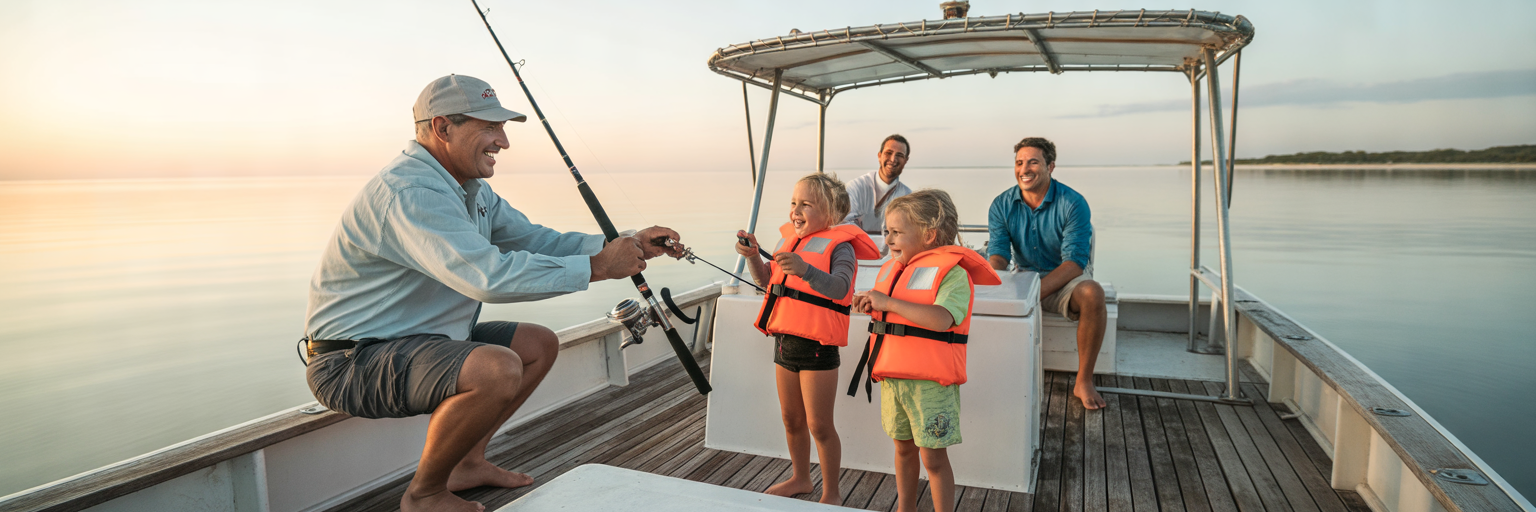
The single biggest mistake parents make when planning family fishing in Destin is booking a boat based on a photo of a giant fish on a dock board without thinking about what it took to catch it. Matching the physical demands of the boat ride, the weight of the tackle, and the length of the trip to the youngest or least experienced person in your group is the secret to a great day.
Calm Bay Waters for Young Kids Versus Nearshore Sight-Lines
If you have children under 10 or true first-timers who are nervous about boats, booking one of the local Destin inshore fishing charters on a 22-to-24-foot bay boat is the hands-down winner. Inside Choctawhatchee Bay and its surrounding bayous, there is no rolling ocean swell. You are casting lines within 10 to 15 minutes of untying from the slip, the rods are light 2500-to-3000-size spinning setups that small hands can hold comfortably, and you are never more than ten minutes from a marina restroom or calm dock if a five-year-old hits their attention limit.
Once kids hit the 10-to-14 age bracket, or when you have casual adults who want a taste of the Gulf without losing sight of land, stepping up to a nearshore beach and reef trip (1 to 9 miles out) hits the sweet spot. You clear East Pass, keep the white quartz beaches and Destin condominiums in plain view the entire time, and mix up trolling for Spanish and king mackerel with bottom drops on close-in artificial reefs. Transit times stay under 30 minutes, keeping everyone engaged.
Offshore Stamina Requirements and Private Charters Versus Party Boats
True offshore bottom fishing and pelagic trolling trips (10 to 25 miles or more out into the Gulf) require real physical stamina and patience. You are looking at 45 to 90 minutes of transit time each way before a bait ever hits the water. Once you arrive over deep limestone structure in 100 to 180 feet of water, anglers are holding heavier conventional outfits, dropping 8-to-16-ounce lead sinkers to the bottom, and cranking strong fish up against deep water pressure. That is a dream trip for teenagers aged 15 and up and enthusiastic adults, but it will quickly wear out younger kids.
Families also need to weigh private six-pack charters against large harbor party boats, often called headboats. Party boats carry 30 to 60 passengers and offer an economical per-person ticket price to fish offshore public reefs. However, they run on fixed 6-to-8-hour schedules, use heavy rental bottom tackle, and cannot turn around early if your child gets seasick. Booking a private charter for up to six passengers gives your family total control: the captain tailors the gear, adjusts the target species on the fly, and can tuck back inside the calm bay immediately if the Gulf chop picks up.
Transit times and gear classifications are based on standard departures out of Destin Harbor running through East Pass on 22-to-24-foot inshore bay boats versus 30-to-45-foot offshore charter vessels.
| Trip Category | Distance and Water Type | Recommended Age Group | Typical Transit Time | Physical Demand and Tackle |
|---|---|---|---|---|
| Inshore Bay Kid Trip | Choctawhatchee Bay and Bayous (Protected) | Ages 4 to 9 and First-Timers | 10 to 15 Minutes | Low; Light 2500-3000 Spinning Gear |
| Nearshore Beach and Reef | 1 to 9 Miles off East Pass (Sight of Land) | Ages 10 to 14 and Casual Adults | 20 to 30 Minutes | Moderate; Trolling Gear and Medium Bottom Rods |
| Offshore Deep Structure | 10 to 25+ Miles in Open Gulf | Ages 15+ and Experienced Anglers | 45 to 90 Minutes | High; Heavy Conventional Gear and Deep Drops |
| Harbor Party Boat (Headboat) | Nearshore to Offshore Public Reefs | Ages 10+ Comfortable in Crowds | 45 to 60 Minutes | Moderate to High; Heavy Rental Bottom Tackle |
Reading Destin Tides, Wind, and Gear Needs Before You Leave the Dock
Even when you nail the right month on the calendar, daily water movement and wind direction determine how the fish behave on the specific morning you step onto the boat. Understanding a few local mechanics will help you talk shop with your captain or plan a successful self-guided trip.
How East Pass Diurnal Tides and Wind Direction Control the Bite
Unlike the Atlantic coast, which sees two high and two low tides every day, Destin and the northern Gulf of Mexico experience a diurnal tide cycle, meaning there is only one high tide and one low tide per 24-hour period. Because the entire volume of Choctawhatchee Bay drains and fills primarily through the narrow bottleneck of East Pass, tidal current is the heartbeat of the fishery. When a strong outgoing tide flushes shrimp, crabs, and baitfish out of the bay and through the pass, redfish, trout, snapper, and mackerel set up along current seams and feed aggressively. Slack water with minimal tidal range slows the bite noticeably. Studying our guide on fishing tide charts for better Florida trips shows you how to spot high-flow windows before you pick your departure hour.
Pair that tide knowledge with Panhandle wind direction. Because the Destin beachfront faces directly south into the Gulf, a light north or northeast wind blows off the land and flattens the nearshore Gulf into a glassy sheet of emerald water within two miles of the sand. Conversely, a stiff south or southwest wind has hundreds of miles of open Gulf fetch to build waves, stacking up steep chop in East Pass and along the beach. On south-wind days, staying inside Choctawhatchee Bay along the south shore gives you calm water in the lee of the barrier island.
Dialing In Spinning and Bottom Tackle for New Anglers
If you are hiring a licensed charter captain, all rods, reels, bait, and terminal tackle are supplied. However, if you are bringing your own boat, renting a skiff, or fishing from the Okaloosa Island Pier and East Pass jetties, bringing balanced gear prevents wind knots and lost fish.
For all inshore bay flats, docks, and beach pompano casting, a 7-foot medium-light fast-action spinning rod paired with a 2500-to-4000-size spinning reel is the gold standard. Spool it with 10-to-20-pound braided main line and tie on a 24-inch section of 15-to-25-pound fluorocarbon leader to handle Destin’s ultra-clear water. You can dial in your exact rod action, line weight, and lure selection using our complete Florida inshore fishing gear guide. When stepping up to East Pass bull redfish or nearshore reef snapper drops, move to a stout 6000-size spinning reel or medium-heavy conventional bottom setup spooled with 40-to-65-pound braid and a 40-to-60-pound fluorocarbon leader to turn big fish away from barnacle pilings and limestone ledges.
Motion Sickness Prevention and Pre-Trip Charter Prep
A little dockside preparation ensures your crew spends the whole trip smiling and reeling in fish:
- Start motion sickness prevention early: If anyone in your group is prone to seasickness and you are heading outside East Pass, have them take an over-the-counter preventative dose the night before the trip and a second dose an hour before leaving the dock. Once nausea starts on the water, medication is too late.
- Keep eyes on the horizon through the pass: Remind kids to stay out of the cabin, avoid looking down at phone screens while running through East Pass, and keep their eyes fixed on the beachfront condos or horizon line.
- Pack copper or amber polarized sunglasses: Polarized lenses are mandatory safety equipment against flying hooks, and copper or amber tints cut through the glare on emerald and tannic bay waters so anglers can actually see cruising cobia, redfish, and mackerel following their baits.
- Bring lotion sunscreen instead of aerosol sprays: Aerosol sunscreens coat fiberglass decks in a slick, dangerous film and leave chemical scents on your hands that transfer directly to your bait and repel fish.
- Verify your fishing license coverage: Licensed Florida charter captains and headboats carry a vessel blanket license that covers every passenger on board. If you are fishing from a rental pontoon, a private boat, the beach, or the jetties, every angler aged 16 and older must hold a valid FWC saltwater fishing license.
Before you step onto the dock, run through a simple pre-trip workflow: check the latest Destin fishing reports, confirm real-time wind and tide tables on HookCurrent, and have an honest conversation with your captain about your family’s experience level. When the captain knows your primary goal is bent rods and happy kids rather than a punishing offshore meat haul, they will put you on the exact water that makes lifelong anglers out of your crew.