
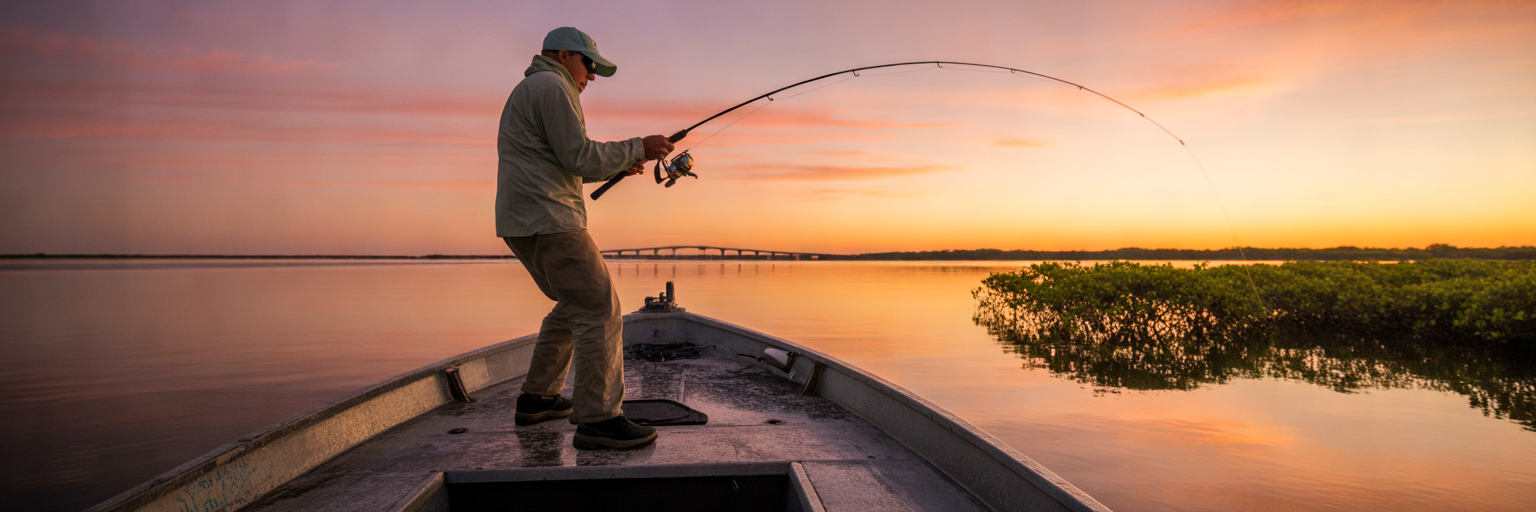
Florida manages over 1,350 miles of coastline and some of the most pressured inshore and offshore fisheries in North America through strict state conservation funding. Before you pitch a live pilchard into a mangrove cut or drop a jig over an offshore wreck, having the right Florida fishing license in your pocket is just as critical as checking your drag.
Who Needs a Florida Fishing License on the Water
Every saltwater trip starts with one baseline requirement from the state. According to official guidelines from the Florida Fish and Wildlife Conservation Commission, anyone aged 16 or older who takes or attempts to take any native marine organism must carry a valid permit before wetting a line. That mandate covers far more than just finfish. You need active coverage whether you areSight-casting to tailing redfish, hand-lining blue crabs in a tidal creek, scooping bay scallops on the grass flats, digging clams, or harvesting marine plants.
The Baseline Rule: Age, Residency, and Method
Three specific variables dictate your exact permit requirement on any given morning: your legal state of residency, your age on the day of the trip, and where your feet are planted while you fish. An angler casting a topwater plug off a public beach faces different rules than someone running 20 miles offshore in a twin-engine center console. Even simple shallow-water sessions require attention to detail. When you are wading a grass flat and organizing tackle using our complete Florida inshore fishing gear guide, your method of reaching that flat determines which permit keeps you legal.
What Attempting to Take Actually Means to an Officer
Statutory language often trips up well-meaning crews at the boat ramp. In the eyes of an FWC officer pulling alongside your skiff, you do not have to be holding a bent spinning rod to be actively fishing. State law defines attempting to take as any physical action that assists in catching, landing, or harvesting marine life.
Think about how a normal cockpit runs during a hot bite. If you slide a landing net under your buddy’s bull redfish at the gunwale, you are participating in the take. Venting a bloated gag grouper before release, throwing a 10-foot cast net for greenbacks near a bridge piling, ladling menhaden chum onto a weed line, or even crimping fluorocarbon leaders and rigging circle hooks for another angler all count as active participation. If your hands touch the gear, the bait, or the catch, you need a permit.
Keeping Non-Fishing Passengers Legal on Sandbar Days
Family sandbar runs and afternoon sunset cruises sit in a common gray area when rods are stowed in the gunwales. Non-fishing passengers riding along on your boat can stay 100 percent legal without buying a license, provided they act strictly as spectators once the lines go out.
To keep non-licensed guests out of trouble during a quick stop at an artificial reef, make sure they keep their hands completely off the rods, bait wells, landing nets, and gaffs. They can snap photos from the leaning post and hand you a cold drink, but they cannot hold a rod while you clear a fouled line. Before backing the trailer down the ramp or walking out onto a rock jetty, every single person on your crew roster needs to know whether their role on the boat requires active coverage.
Saltwater Permit Tiers for Locals and Visiting Anglers
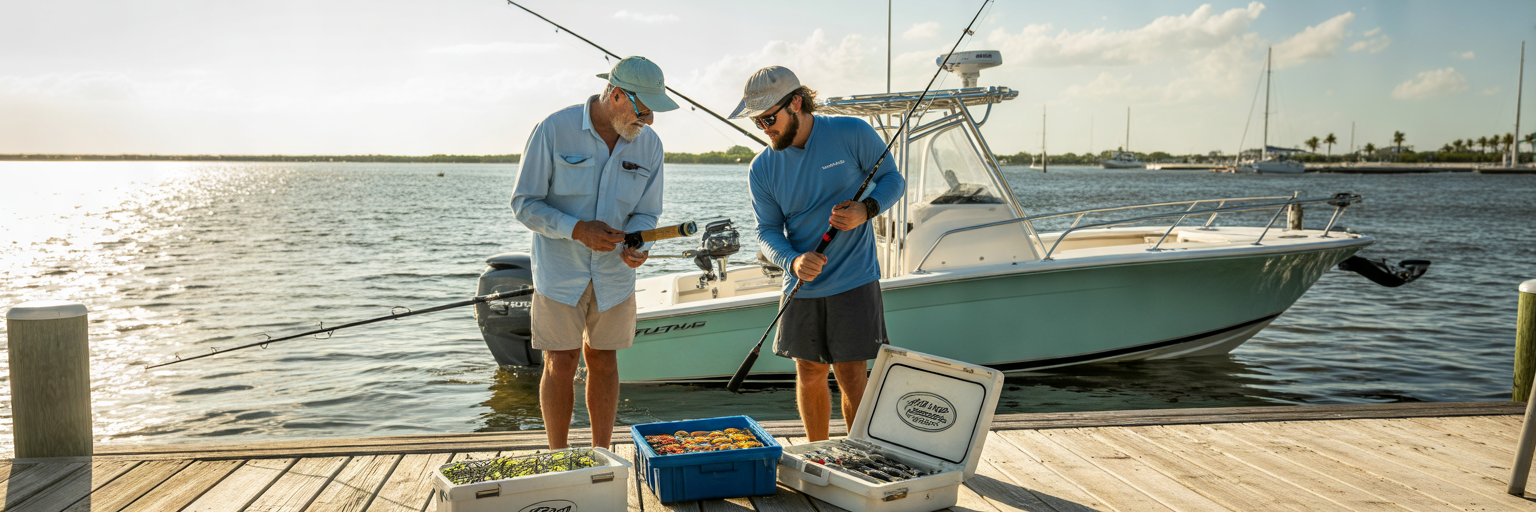
Once you know who on the boat needs coverage, the next step is matching your trip schedule to the right fee tier. As detailed in the official FWC saltwater recreational license schedule, state pricing splits sharply between verified locals and out-of-state visitors, with specific boundaries separating boat anglers from foot-bound shore casters.
Resident Annual vs. Multi-Year Options
For full-time locals, the standard saltwater fishing license Florida issues costs $17 for a full 365 days of statewide access from boats, kayaks, and shorelines. If you fish year-round, the $79 five-year resident permit is the smarter play. Dedicated anglers who chase spring tarpon through the passes and target fall redfish on the flats lock in the five-year option for one practical reason: it prevents mid-season expiration headaches. Nothing ruins a morning faster than realizing your permit lapsed at midnight right as a fall cold front triggers a wide-open mullet run.
Nonresident Tiers and the Snowbird Residency Trap
Out-of-state visitors have three primary choices when purchasing a nonresident Florida fishing license: $17 for three consecutive days, $30 for seven consecutive days, or $47 for a full year. The math here is straightforward. If you trailer your bay boat down from Georgia or Alabama for the spring cobia push and plan to return in October for fall surf fishing after reviewing our Destin shore fishing access guide, buying the $47 annual pass pays for itself on trip number two while saving you from logging into the state portal twice.
Seasonal winter residents need to watch out for a common dockside trap regarding residency proof. Buying a resident-rate license requires an active Florida driver’s license, an official Florida state ID card, or active military station orders in the state. Owning a waterfront condo in Naples, keeping a boat on a lift in Sarasotayear-round, or paying Florida property taxes and utility bills does not qualify you for the $17 resident tier if your driver’s license still says Michigan, Ohio, or New York. Claiming resident status without a valid state ID carries stiff citations during a ramp inspection.
The Catch with the Free Shoreline-Only License
Florida offers a free Resident Saltwater Shoreline-Only permit that sounds appealing on paper. This tier covers verified state residents casting from beaches, fixed bridges, public piers, jetties, and seawalls. However, it comes with a major operational catch that catches wade anglers off guard every weekend.
The second you use a skiff, kayak, canoe, or paddleboard to cross deep water and reach an offshore sandbar, spoil island, or emergent grass flat, that Florida shoreline fishing license becomes invalid. Even if you beach the kayak and wade fish on foot for the next four hours, using a vessel to reach the spot requires the standard $17 resident license.
| Permit Tier | Cost | Duration | Valid Fishing Access and Key Restrictions |
|---|---|---|---|
| Resident Shoreline-Only | $0 (Free) | 1 Year | Beaches, bridges, jetties, and seawalls only; invalid if arriving at a spot by boat or kayak |
| Resident Annual Saltwater | $17.00 | 1 Year | All shore, wading, kayak, and private vessel fishing statewide; requires valid FL ID |
| Resident 5-Year Saltwater | $79.00 | 5 Years | Full statewide shore and vessel access; locks in rates for multi-season local anglers |
| Nonresident 3-Day Saltwater | $17.00 | 3 Consecutive Days | Full shore and vessel access for weekend visitors; requires separate species stamps to harvest snook or lobster |
| Nonresident 7-Day Saltwater | $30.00 | 7 Consecutive Days | Full shore and vessel access for week-long coastal vacations; covers inshore and offshore waters |
| Nonresident Annual Saltwater | $47.00 | 1 Year | Best value for visiting anglers making two or more extended trips per year |
Charter, Pier, Youth, and Senior Exemptions Explained
Before pulling out a credit card for every person in your travel group, check the statutory exemptions. State law waives individual licensing requirements based on angler age, military status, specific commercial venues, and guided vessel operations.
Youth Under 16 and Resident Seniors 65+
Youth anglers under 16 years of age fish completely free across all Florida waters, whether they are local kids or visiting from out of state. Florida residents aged 65 and older are likewise exempt from buying basic saltwater licenses and state species stamps, though non-resident seniors must still purchase a standard visitor permit.
If you are a resident senior fishing without a paper permit, keep your Florida driver’s license or state ID card in your waterproof ditch bag at all times. You must be able to prove both your birthday and your residency in two seconds when an officer checks your cooler at the boat ramp. Many seasoned local seniors still pick up the optional, free Senior Citizen Hunting and Fishing Certificate just to keep a dedicated FWC document in their tackle binder.
How Florida Charter License Rules Cover Your Crew
Understanding Florida charter license rules saves visiting groups significant money and administrative hassle. When you book a trip with a licensed for-hire charter captain or a six-pack inshore guide, the captain’s commercial vessel permit acts as a legal umbrella covering every paying passenger on board.
Whether you are sight-fishing redfish on the Mosquito Lagoon flats or planning an offshore run using our guide on when to book a Florida mahi charter, you do not need to buy an individual saltwater license or a snook stamp for that guided trip. The boat’s commercial documentation handles your compliance from dock to dock, provided your captain holds an active FWC charter license rather than operating an illegal, unlicensed guide service.
Commercial Piers, Military Leave, and License-Free Days
Major coastal fishing piers and commercial boardwalks operate under a similar umbrella concept. Many ticketed ocean piers pay for a blanket recreational pier license that covers anyone dropping a bottom rig or slinging a pompano jig off those specific planks. Never assume a structure is covered without asking. Always verify at the bait shop booth whether the facility holds an active blanket FWC permit before casting, as unpermitted city bridges, public causeways, and neighborhood docks still require a personal license.
Several additional statutory exemptions keep specific anglers legal without a standard purchase:
- Active-duty military personnel who are legal Florida residents and are home on valid, official leave orders for 30 days or less.
- Permanently and totally disabled Florida residents who hold a verified Resident Persons with Disabilities License.
- Anyone fishing during the four official FWC license-free saltwater fishing days held annually on the first consecutive Saturday and Sunday in June, the first Saturday in September, and the Saturday immediately following Thanksgiving.
Keep one dockside rule of thumb in mind whenever you rely on an exemption: if you do not need a fishing license in your pocket, you almost always need an official government ID or leave order in your dry bag to prove why you are exempt.
Private Boats and Recreational Vessel Licenses
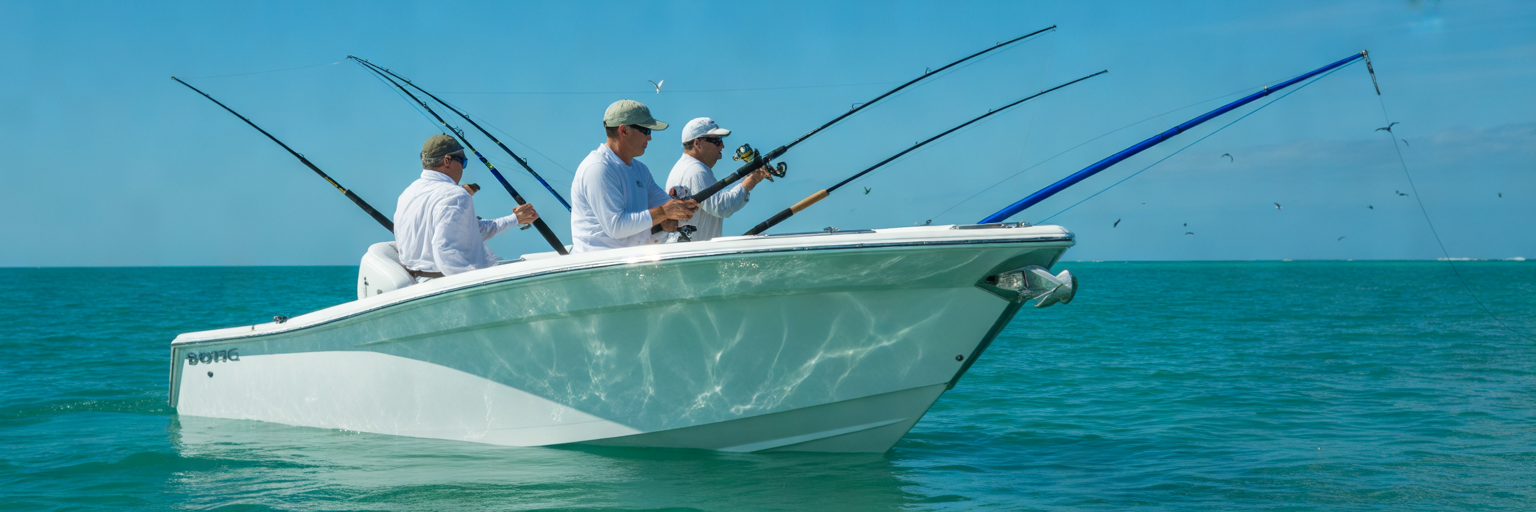
Private boat owners who frequently host out-of-state friends often confuse commercial charter coverage with private hull licensing. While the state does offer an umbrella permit for non-commercial boats, the financial math and operational limits look very different when you are running your own center console.
The Economics of an Umbrella Hull Permit
A private boat owner can purchase a Recreational Vessel License tied to a specific registered hull. This non-commercial umbrella permit costs roughly $2,000 per year for private vessels carrying up to 10 people and covers every friend, business client, or out-of-state relative fishing aboard that boat. It even includes state species harvest coverage like snook and spiny lobster for your guests, regardless of where they live.
For 95 percent of private boat owners, however, the upfront cost makes zero financial sense. Compare that $2,000 price tag against simply having four out-of-state buddies buy their own $17 three-day nonresident passes on their smartphones before stepping onto the gunwale for a Gulf Coast grouper run using our Destin offshore spot guide for private boat crews. At $17 a head for a weekend trip, you would need to host rotating boatloads of unlicensed visitors nearly every single week of the year just to break even on a private hull permit.
Operational Catch: Tied to the Boat, Not the Angler
The biggest operational catch with a private vessel license is that the coverage is bolted strictly to that specific hull registration number, and the registered license holder must be physically on board during the trip. It is not a personal VIP pass for the boat owner.
If you leave your 28-foot offshore boat on the lift and hop onto a buddy’s flats skiff to chase tailing reds in Tampa Bay, your vessel permit stays behind at your dock. Likewise, if you anchor your covered boat near a pass and wade 200 yards down a public beach away from the hull to cast snook plugs in the surf, that vessel umbrella no longer covers you. You still need a personal $17 angler license in your pocket. For visiting groups who want to skip vessel licensing math, trailer logistics, and tackle prep altogether, using our charter and guide directory to step onto a tournament-rigged boat with a vetted local captain remains the cleanest way to get on the fish.
Species Endorsements, Reef Permits, and Harvest Rules
Holding a basic saltwater access license only gets you in the game. If your goal is putting legal fillets on ice or targeting regulated nearshore and offshore structure from a private boat, Florida requires specific add-on endorsements and species permits.
Snook, Spiny Lobster, and Tarpon Tag Requirements
Keeping high-profile inshore targets requires dedicated conservation stamps alongside your primary license. The mandatory $5 snook permit Florida issues is required for any licensed angler who intends to harvest and possess a legal slot snook during open season. The exact same rule applies to the $5 Spiny Lobster Permit if you are diving or bully-netting bugs during the two-day sport mini-season or the regular harvest window.
If you are strictly catch-and-release fishing for snook around dock lights or mangrove points during the closed summer spawn, you do not legally need the snook stamp. That said, spending the five bucks when you buy your annual license is smart dockside insurance in case you hook a legal upper-slot fish during open season and decide to take dinner home. Tarpon operate under much tighter rules. Florida is a strict catch-and-release fishery for silver kings, and purchasing a $51.50 Tarpon Tag is only lawful if you are actively pursuing an official IGFA world record. Otherwise, any tarpon over 40 inches must remain in the water alongside the gunwale in passes like Boca Grande or under the Florida Keys bridges.
The Mandatory State Reef Fish Angler Designation
Before you tie on heavy fluorocarbon leaders from our Florida bottom fishing rigs guide and head for offshore ledges, every person on a private boat needs the State Reef Fish Angler designation. This is a mandatory, no-cost annual endorsement required for anyone aged 16 or older who targets or possesses reef species from a private vessel in either Gulf or Atlantic waters.
Crucially, this free designation applies even to resident seniors 65 and older and military personnel who are otherwise exempt from buying a basic saltwater license. Only paying passengers on a licensed charter boat and kids under 16 are exempt. You must have this designation active on your profile before targeting or keeping any of the following bottom species:
- Mutton, yellowtail, red, mangrove, queen, lane, silk, blackfin, and vermilion snapper.
- Gag, red, black, yellowfin, scamp, and snowy grouper.
- Greater and lesser amberjack, banded rudderfish, and almaco jack.
- Gray triggerfish, hogfish, and golden tilefish.
Shore-Based Shark Permits and Why Stamps Never Override Slot Limits
Anglers who target sharks from beaches, jetties, or bridges must hold a free annual Shore-Based Shark Fishing Permit. Getting this endorsement requires completing the mandatory online FWC Shark-Smart educational course, which enforces strict gear rules including non-offset, non-stainless circle hooks, heavy tackle designed to shorten fight times, and keeping long-handled bolt cutters on the sand for quick surf releases.
| Endorsement or Permit | Annual Fee | When Required | Target Species and Operational Rules |
|---|---|---|---|
| Snook Permit | $5.00 | Required for harvest and possession | All Florida snook species during open regional seasons and within strict slot limits |
| Spiny Lobster Permit | $5.00 | Required for recreational harvest | Caribbean spiny lobster during the 2-day sport mini-season and regular harvest season |
| State Reef Fish Angler | $0 (Free) | Required on all private vessels targeting reef fish | Snapper, grouper, amberjack, triggerfish, and hogfish in Gulf and Atlantic waters |
| Shore-Based Shark Permit | $0 (Free) | Required for all beach and bridge shark anglers | All shark species from shore; requires passing the annual FWC Shark-Smart online course |
| Tarpon Tag | $51.50 | IGFA world record pursuit only | Strictly catch-and-release otherwise; fish over 40 inches must remain in the water |
Remember that holding every stamp in the state never overrides daily bag limits, slot windows, regional management zones, or rolling seasonal closures. Pairing proper permits with real-time local bite reports and environmental data is what keeps your cooler both legal and full.
Buying, Renewing, and Carrying Proof on the Water
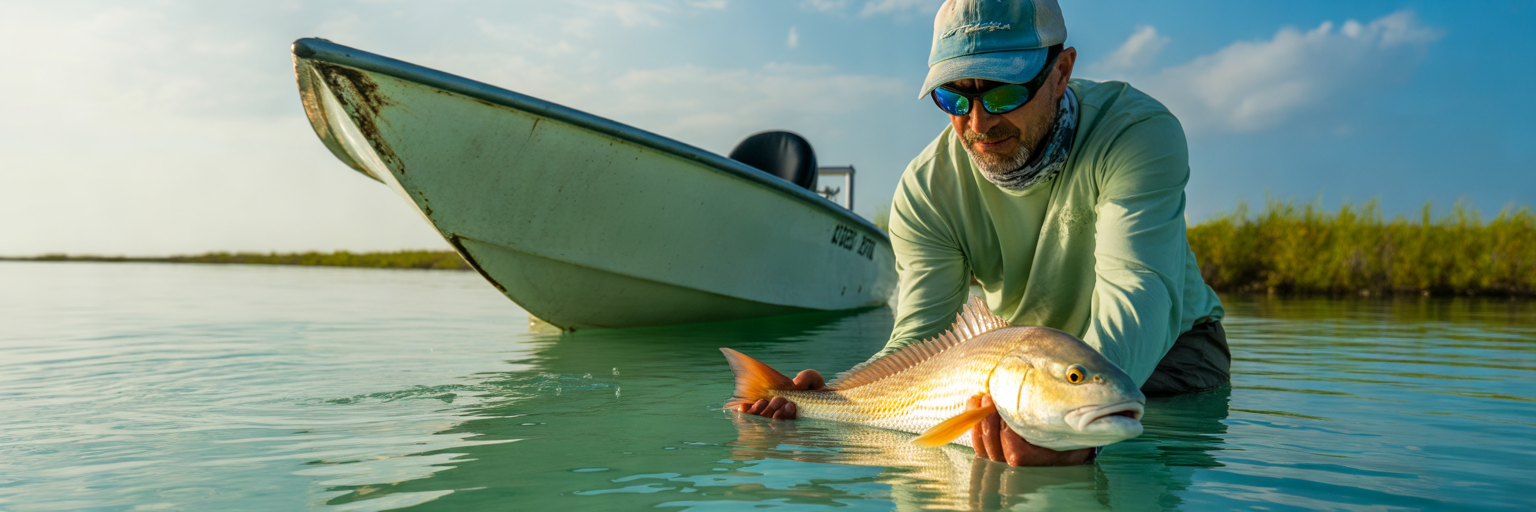
Getting your paperwork squared away takes less than five minutes, provided you do not wait until you are already clearing the inlet and losing cell reception. Saltwater environments destroy paper documents and drain phone batteries fast, so how you store your proof matters just as much as buying it.
Instant Digital Access at the Ramp vs. Hard Cards
The fastest way to buy or renew coverage five minutes before backing down the boat ramp is logging directly into the official GoOutdoorsFlorida.com portal or opening the Fish|Hunt FL mobile app on your smartphone. If you prefer a physical copy, you can buy permits in person at county tax collector offices, major sporting goods stores, and local bait and tackle shops.
Annual licenses run for a full 365-day window starting from your selected purchase date rather than expiring on December 31. When setting up your digital profile, flip on the auto-renewal toggle for your primary saltwater permit, snook stamp, and reef fish designation. Auto-renewal ensures your coverage never quietly lapses on a Friday afternoon right before a tournament or a rare slick-calm offshore weather window.
Offshore Cell Service Traps and Your Pre-Launch Checklist
Relying on a live cellular connection to display your digital permit is a classic offshore mistake. When an FWC patrol boat pulls alongside your center console 30 miles out of Islamorada or over deep Gulf structure while you are running through our Destin license checklist for visiting saltwater anglers, you will have zero cell bars to load a web browser.
Before untying your dock lines, open the Fish|Hunt FL app while you still have strong reception so your active licenses cache for offline viewing. Better yet, take a clear, timestamped screenshot of your permit card showing your FWC customer ID number and save it to your phone’s favorites album. Many offshore captains also pay the extra few dollars during checkout for a durable, waterproof hard card to stash inside the boat’s ditch bag right next to the vessel registration.
Run through this five-step pre-launch checklist before every trip to leave the ramp legal and dialed in:
- Verify active crew coverage: Confirm valid saltwater licenses, State Reef Fish Angler designations, and harvest stamps for every person stepping aboard.
- Lock in offline proof: Save offline screenshots of all digital permits on your phone and verify that your physical state ID is stowed in a dry box.
- Confirm regional harvest rules: Check current FWC regional management boundaries, slot measurements, and open harvest seasons for your target species.
- Time the moving water: Review wind forecasts, water clarity, moon phases, and water movement using our guide to reading Florida fishing tide charts so you hit the structure on peak current.
- Check real-time local intelligence: Pull up our latest regional fishing reports for Tampa Bay, the Keys, Destin, or the Atlantic coast to match your bait and tackle to what is chewing right now.