

St. Joseph Peninsula State Park puts two very different shorelines in one trip. The Gulf side offers beach troughs and breaking waves. St. Joseph Bay offers grass, shallow sand and smaller presentations. Let the wind decide which side deserves your first look.
Featured image: Gulf shoreline at St. Joseph Peninsula State Park. Photograph dated 2010. Current access may differ. Credit: Ebyabe. CC BY-SA 3.0. Image source. Resized and converted to WebP.
Plan around the park's two shorelines
The park is at the northern end of Cape San Blas Road. Florida State Parks lists fishing access to both the Gulf and the bay. Use established day-use routes and ask at the entrance about current fishing boundaries. A campground reservation or beach entry does not grant access through a closed habitat area.
For Gulf fishing, carry only what you can comfortably move along the sand. For the bay, avoid assuming that every shallow patch has firm footing. View the bottom from shore first. Seagrass and soft sediment can make a promising-looking flat unsuitable for wading.
Keep the Gulf rig small and clean
Shrimp pieces, sand fleas and compact bait strips suit whiting and seasonal pompano. Start in the trough inside the first bar. Watch the rod tip for repeated small taps rather than waiting for a dramatic pull.
A 9-foot rod with a 4000 reel and 15-20 lb mono is enough for ordinary beach conditions. A 25-30 lb leader gives the rig some abrasion resistance. Pick sinker weight by current and rod rating, not by habit.

Fish above the bay grass
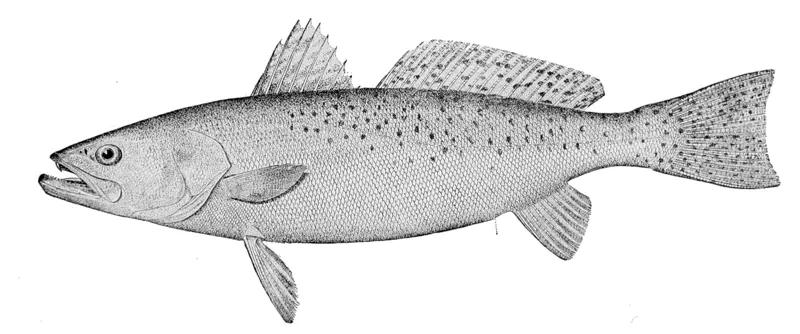
Spotted seatrout and redfish are more natural targets in bay habitat. A 7-foot medium rod, 2500-3000 reel, 10-15 lb braid and 20 lb leader suit small paddletails. Keep the lure moving just above grass, pausing over visible sand openings.
If the lure comes back coated in grass on every cast, use less weight or a weedless hook. A shrimp suspended below a float is another option where it can drift without tangling other anglers. Set the depth to keep the bait above the bottom rather than guessing that more depth is always better.
Save time for the return walk
Changing sides means packing up and traveling through the park, not crossing dunes. Watch gate hours and leave enough time to get out. Carry water even for a short session. Stop fishing when thunder is audible and return to a substantial shelter or vehicle rather than waiting beneath a picnic roof.
A compact packing list
| Pack | Starting choice |
|---|---|
| Light surf option | 8-9-foot rod, 4000 reel, 15 lb mono, 25 lb leader |
| Inshore option | 7-foot rod, 3000 reel, 15 lb braid, 20-30 lb leader |
| Bait choice | Shrimp for sand or structure; small lures for open edges |
| Choose first | The permitted shoreline and target fish |
Fish to recognize
These references help identify possible targets in the habitats discussed above. They do not document catches at this beach or guarantee that a fish is present on your visit.

Plan another nearby fishing stop
- Cape San Blas Fishing: Gulf Surf or St. Joseph Bay?
- Salinas Park Fishing: Gulfside or Bayside Tackle?
- Indian Pass Fishing: Beach Bait and Current Edges
Access research checked September 24, 2026, using Florida State Parks. Recheck closures and posted rules before traveling. Confirm your fishing license and current species-specific harvest rules with FWC before keeping fish.