

Historical Cape San Blas reference: dune erosion after Hurricane Michael in 2018. This is not a current-condition photograph or a photograph of Cape Palms Park. Photo: Margaret Lamont, USGS. Public domain. Image source. Resized and converted to WebP.
Cape San Blas fishing offers two very different environments close together. The Gulf side suits a surf plan. St. Joseph Bay calls for lighter presentations, careful access choices, and respect for shallow habitat. Choose the water that fits the weather and your experience before choosing a rod.
Begin with a verified public route
Cape Palms Park provides a named beach access with useful facilities. Other county and park locations have their own rules, hours, and current conditions. Use an official access map and read the signs rather than following a track across the dunes.
Beach driving requires its own checks and any applicable permit. A wide stretch of sand is not an invitation to drive. A walking trip with one rod is often the simplest way to learn the area.
Gulf surf: work the troughs with small baits
Whiting are a practical first target with shrimp pieces. Pompano may take sand fleas or shrimp when they move through suitable surf. Look for darker water inside a breaking bar, and test that nearer trough before trying longer casts.
A 9- to 10-foot surf rod and a 4000- to 5000-size reel cover a basic bait session. Match the sinker to the rod rating and current. If weed collects on every cast or the rig sweeps down the beach, change the plan instead of simply adding more lead.
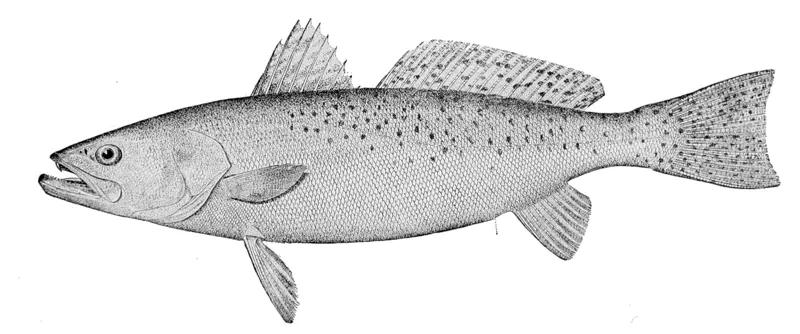
Fish to recognize before you cast
Possible fish in suitable inshore habitat, not a catch forecast.

Bay water: go lighter and protect the bottom
Use an established public shoreline or launch where fishing is permitted. A 7-foot medium spinning rod with 10- to 15-pound braid is easier to work with small paddletails or lightly weighted shrimp. Redfish and spotted seatrout are possibilities in suitable inshore habitat, subject to current local rules.
Keep hooks and feet out of seagrass where possible. Avoid trampling vegetation or dragging equipment across shallow habitat. If paddling, wear a fitted life jacket and choose wind and distance that leave a comfortable return trip.
Let the wind decide whether to fish at all
The cape's shape can make conditions differ between sides, but sheltered-looking water is not automatically safe. Check the forecast, observe the actual water, and leave exposed areas when storms approach. Do not cross private land to chase a quieter shoreline.
For a first visit, choose one Gulf session and one separately planned bay outing rather than carrying tackle for both all day. Keep notes on access, wind, and useful casting distances. Those details help turn a return trip into a better fishing plan.
Plan the bay return before following a bite
Wind can make the journey back harder than the trip out. On a paddling outing, keep the return distance conservative and reassess it before moving farther along a shoreline. Do not let a few bites turn an easy route into an exposed crossing. A good shore session also ends before weather removes the safe way back.
A starting tackle list for Cape San Blas
These are starting ranges, not a shopping requirement. Reel sizes vary by maker. Match the rod, line, and total casting weight, and adjust to the conditions you can safely fish.
| Tackle | Starting choice |
|---|---|
| Surf rod and reel | 9-10 ft spinning rod; 4000-5000 reel |
| Main line | 15-20 lb mono, or 20 lb braid with a suitable leader |
| Leader or bait rig | 20-30 lb mono for small-bait surf fishing |
| Bait and hook | Small shrimp piece or sand flea; roughly size 2 to 1/0 hook, matched to bait |
| Sinker | Only enough to hold; remain within the rod rating including bait weight |
| Separate inshore outfit | 7 ft medium rod; 2500-3000 reel; 10-15 lb braid and 20 lb leader |

Keep a measuring tool and pliers in the bag. Check current Florida Fish and Wildlife Conservation Commission license, season, size, and bag rules before keeping a catch. Access permission and a fishing license are separate requirements.
Access information checked September 24, 2026. Park notices, construction, weather, and local rules can change. Confirm the chosen entrance before travelling.