
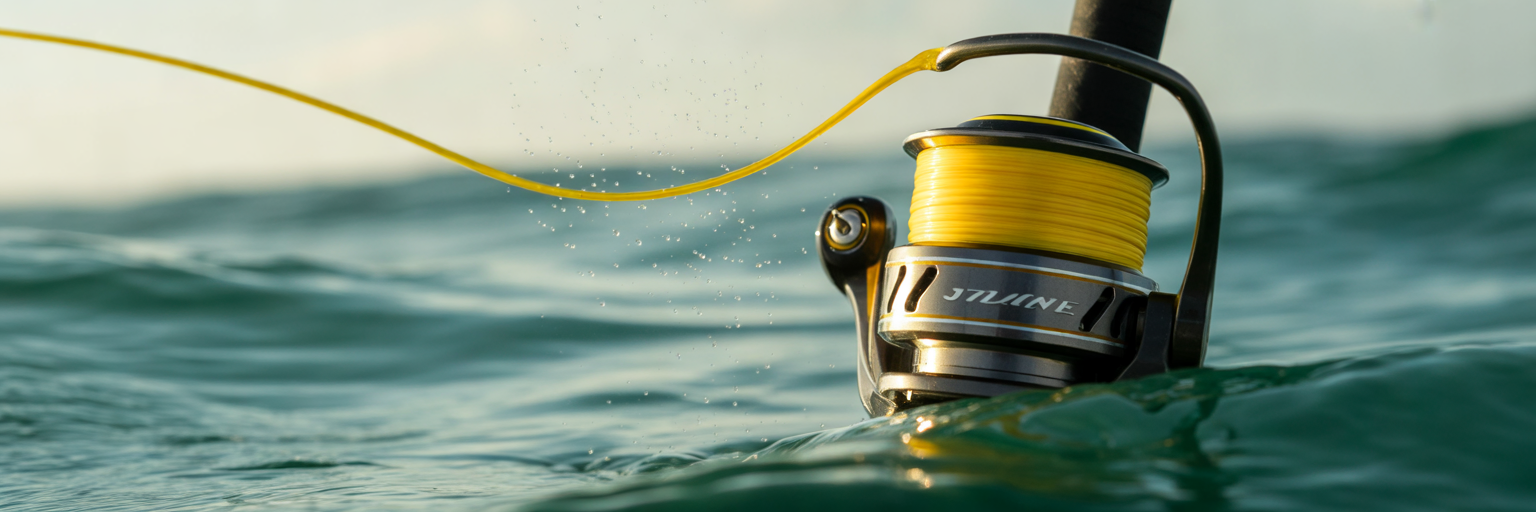
In Florida’s saltwater, your fishing line is more than just a connection to your lure. It is your primary link to the fish, your eyes underwater, and the tool that delivers the hookset. For decades, monofilament was the standard, but the demands of our diverse fisheries, from skinny water flats to deep offshore canyons, called for something more. The introduction of modern braided fishing line changed everything. It wasn’t about being universally better, but about providing a superior tool for the most critical jobs an angler faces.
Why Florida Anglers Choose Braided Fishing Line
The shift to braid was driven by two game-changing advantages that directly translate to more fish in the boat. The first is its near-zero stretch. In practical terms, this means you feel everything. It is the difference between detecting the subtle tap of a sheepshead nibbling a fiddler crab off a piling and missing the bite completely. With braid, you can feel the bottom composition change from soft sand to hard shell, letting you know you have drifted into a productive zone. This heightened sensitivity is a massive advantage that monofilament simply cannot match.
The second advantage is its incredible strength-to-diameter ratio. Braid is significantly thinner than monofilament of the same pound test. This translates into two huge real-world benefits. First, you gain immense line capacity. You can pack 400 yards of 50-pound braid on a reel that might only hold 250 yards of mono, giving you the confidence to fight a kingfish that might peel off 300 yards on its first run. Second, the thin diameter allows for much longer casts. That extra 20 feet of casting distance can be the difference between spooking a tailing redfish on a clear flat and dropping a shrimp lure right in its path.
Of course, braid is not without its challenges. Its high visibility in clear water can spook line-shy fish, and it has poor abrasion resistance against sharp objects. We will get into how to solve these issues with a proper leader later on. The lack of stretch also means you need to adjust your technique. A slightly softer drag setting or a rod with a more forgiving tip is often necessary to prevent pulling hooks from the soft mouths of fish like speckled trout. For the dedicated Florida angler, however, these are manageable trade-offs. The incredible sensitivity, casting performance, and raw power of braid are non-negotiable advantages. Mastering its use is a fundamental step toward becoming a more successful saltwater angler.
Selecting Braid Strength for Your Target Zone
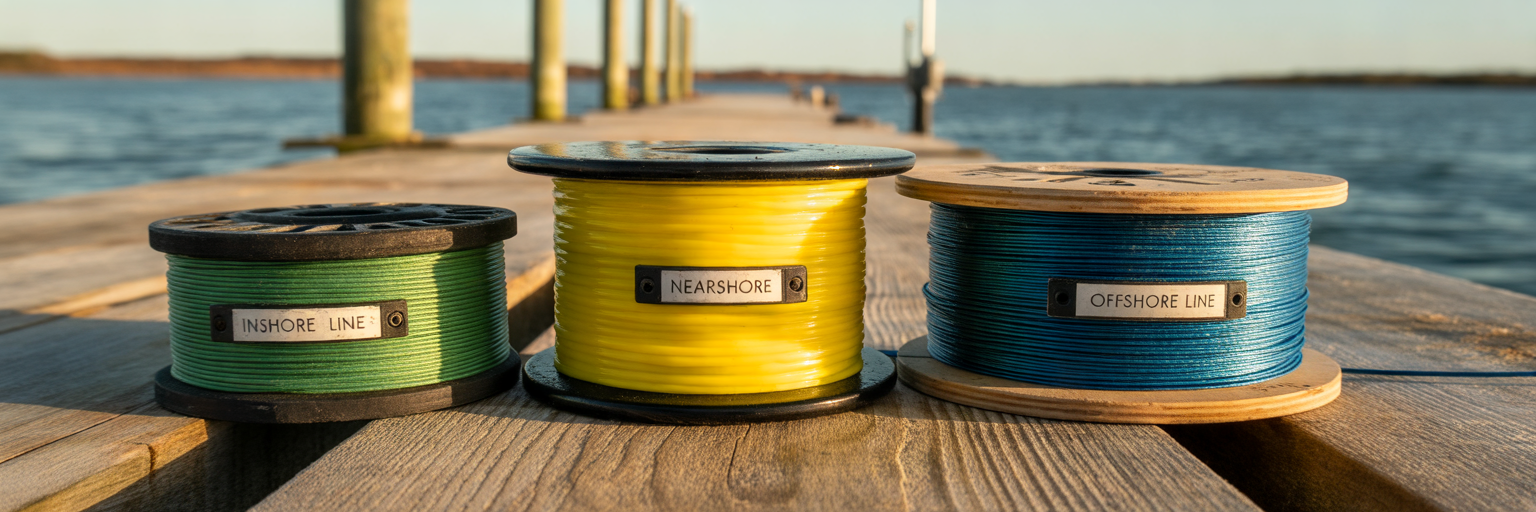
Choosing the right pound test is not just about the size of the fish you expect to catch. It is about matching your line to the environment, the structure, and the technique. Here is a straightforward guide to selecting the right braid strength for Florida’s primary fishing zones.
Inshore & Flats (Snook, Redfish, Trout)
For most inshore applications on spinning reels in the 2500 to 4000 size range, 10 to 20-pound braid is the sweet spot. This range offers the perfect balance. It is thin enough to maximize casting distance with light shrimp lures and soft plastics, which is critical for covering water on the flats. At the same time, it retains enough backbone to pull a big linesider away from a mangrove root or dock piling. This is the ideal braided line for snook fishing, where both finesse and power are required. This light braid setup is perfect for presenting baits quietly, a key element in successful sight-fishing. For more on this, check out our proven redfish fishing tips for Florida anglers.
Surf & Pier Fishing
When fishing from the beach or a pier, stepping up to 20 to 40-pound braid is a smart move. This environment presents a constant battle with abrasion from sand, shells, and barnacle-encrusted pilings. The heavier braid provides a bit more durability. There is a trade-off here. Thinner line will always cast farther, which can be a major advantage when trying to reach a distant sandbar, especially in a stiff onshore wind. However, the thicker line offers more insurance against being frayed and broken off. Some old-school surf anglers still prefer monofilament for its stretch, which can act as a shock absorber in heavy wave action, but modern braid users compensate with a long mono shock leader.
Nearshore Reefs & Wrecks (Snapper, Grouper, Cobia)
Once you move out to nearshore structure, from 30 to 100 feet of water, power becomes the priority. Here, 30 to 65-pound braid is standard. The primary goal when hooking a grouper or big mangrove snapper is to stop it from getting back into the wreck or reef. The zero-stretch nature of braid is absolutely critical for this. The moment you feel the bite, you can apply immediate pressure to turn the fish’s head and pull it away from the structure. The sensitivity also allows you to feel subtle bites in deep water, something that is often dampened by the stretch of monofilament.
Offshore Trolling & Deep Dropping (Mahi, Tuna, Sailfish)
For a proper offshore fishing line setup, 50 to 100-pound braid or even heavier is the norm. When trolling for pelagics like mahi, wahoo, and tuna, line capacity is paramount. Braid’s thin diameter allows you to spool hundreds of yards onto your reels, providing the insurance needed for the blistering runs these fish are known for. For deep dropping in several hundred feet of water for swordfish or tilefish, braid’s lack of stretch is essential for detecting bites and achieving a solid hookset at extreme depths. Many offshore anglers prefer high-visibility colors like yellow or chartreuse, which makes it much easier to track the position of multiple lines in a trolling spread and see a strike the instant it happens.
| Target Zone | Recommended Braid Strength (lb) | Common Target Species | Key Rationale |
|---|---|---|---|
| Inshore & Flats | 10-20 lb | Snook, Redfish, Trout, Pompano | Maximizes casting distance with light lures; sensitive for subtle bites. |
| Surf & Pier | 20-40 lb | Pompano, Whiting, Redfish, Snook | Balances casting distance with abrasion resistance from sand and pilings. |
| Nearshore Reefs & Wrecks | 30-65 lb | Snapper, Grouper, Cobia, Kingfish | Power to pull fish from structure; sensitivity for deep-water bites. |
| Offshore Trolling & Deep Drop | 50-100 lb+ | Mahi-Mahi, Tuna, Wahoo, Sailfish | High line capacity for long runs; strength for heavy trolling gear. |
Matching Braid Diameter to Your Reel
Understanding how to properly load your reel with braid is just as important as choosing the right pound test. Because braid is so much thinner than monofilament, the old rules of spool capacity no longer apply. Getting this right is the foundation for a frustration-free day on the water, preventing wind knots, line digging, and other common headaches.
Understanding Mono Equivalent
The key to understanding braid capacity is the concept of “mono equivalent” diameter. Your reel is likely rated for a certain capacity of monofilament line, for example, “200 yards of 10 lb mono.” This is a reference to diameter, not strength. Since 30-pound braid often has the same diameter as 8-pound mono, you can fit significantly more of it onto that same spool. This is a massive advantage, but it also means you need to be careful not to underfill or overfill your reel.
Spooling Spinning Reels for Performance
For spinning reels, the number one cause of the dreaded wind knot is an overfilled spool. When the line is packed on too high, loose coils can jump off during a cast, creating a tangled mess. The solution is simple but crucial. When spooling your reel, stop when the line is about 1/8 of an inch (or 3mm) from the outer lip of the spool. This small gap is essential. It creates just enough of a lip for the line to feather against as it flies off, ensuring a smooth, controlled cast without the line catching on itself.
Loading Conventional & Baitcasting Reels
With conventional and baitcasting reels, the primary issue is the line “digging in” on itself. This happens when you hook a powerful fish, and the line on top, under extreme tension, cuts down into the loosely spooled line beneath it. This can cause your retrieve to lock up completely. To prevent this, you must spool the line on tightly and evenly. As you reel the line onto the spool, use your thumb on a baitcaster or the level-wind mechanism on a conventional reel to guide the line back and forth across the spool, packing it down firmly. This ensures there are no gaps for the line to dig into under pressure.
Maximizing Capacity on Trolling Setups
The capacity advantage of braid truly shines with offshore trolling setups. It allows anglers to downsize their gear significantly without sacrificing strength or line length. Instead of lugging a huge, heavy reel spooled with 80-pound mono, you can use a smaller, lighter, and more comfortable reel spooled with 80-pound braid. This dramatically reduces fatigue over a long day of trolling for mahi-mahi or tuna, making the entire experience more enjoyable while still having the power and capacity to handle a trophy fish.
Mastering the Braid to Leader Connection
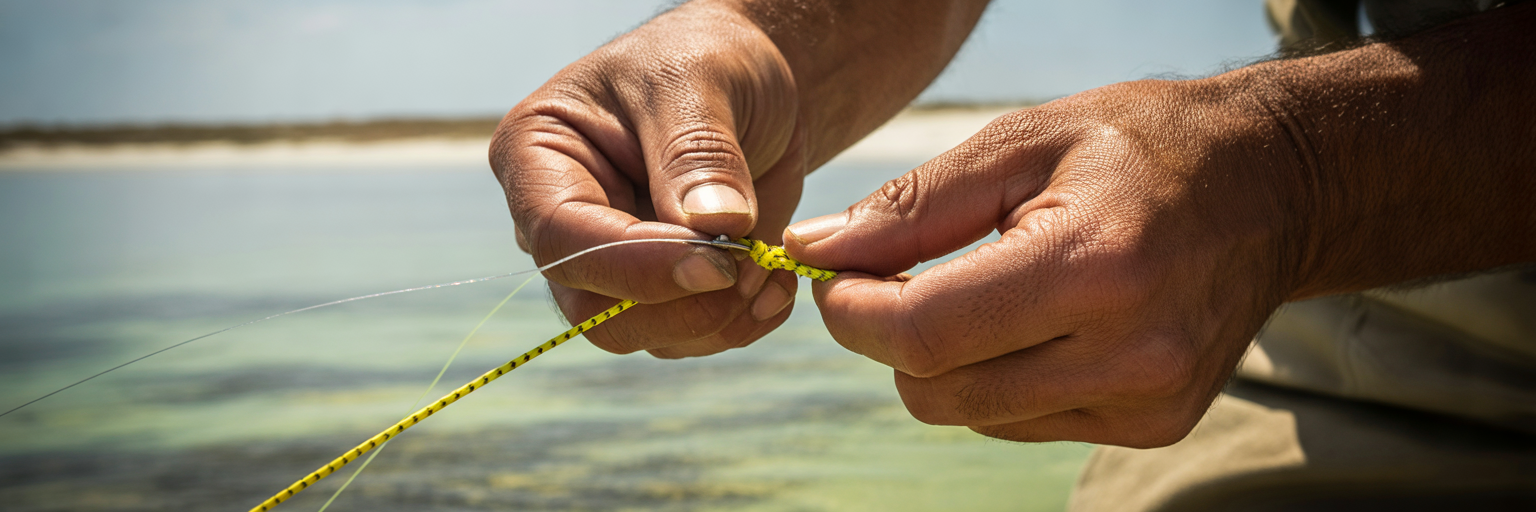
Let’s be direct: fishing with straight braid in most Florida saltwater situations is a recipe for failure. The line’s high visibility and poor abrasion resistance are significant liabilities that must be managed. The solution is a leader, and your ability to tie a strong, reliable connection between your braid and your leader is one of the most important skills you can develop.
Why a Leader is Non-Negotiable
A leader serves two critical functions. First, it provides invisibility. By adding a section of clear fluorocarbon or monofilament at the end of your line, you create a stealthy presentation that will not spook wary fish like snook, tarpon, or permit in clear water. Second, it provides abrasion resistance. Fluorocarbon and heavy monofilament are far more durable than braid when scraped against sharp structure like oyster bars, dock pilings, or coral reefs. This short section of tougher line acts as a buffer, preventing an instant break-off during the fight.
The Best Knots for the Job
Your entire setup is only as strong as your weakest link, which is often your braid to leader knot. While there are dozens of options, a few stand out for their reliability. The FG Knot is widely considered the king. It is incredibly strong and creates a very slim profile that slides effortlessly through your rod guides, making it perfect for casting. However, it can be tricky to master, especially on a rocking boat. The Double Uni Knot is the reliable workhorse alternative. It is much easier to tie, exceptionally strong, and a go-to for anglers everywhere. The Albright Special is another excellent choice, particularly useful for connecting two lines of vastly different diameters, like 50-pound braid to an 80-pound leader.
Choosing Leader Length and Strength
Leader selection depends entirely on your target and environment. For inshore flats fishing, a 2 to 3-foot leader of 20 to 30-pound fluorocarbon is usually sufficient to provide stealth without impeding the action of your lure. When bottom fishing over offshore reefs, you will want a much longer and heavier leader, perhaps 6 to 10 feet of 60 to 80-pound mono or fluoro, to withstand the abuse from the structure. When you’re dropping down to a wreck, a heavy fluorocarbon leader is your best defense against being cut off. The specific rig you use is just as important, and you can explore our complete Florida bottom fishing rigs guide for proven setups.
When to Use a Shock Leader
A shock leader is different from a standard leader. It is a long section, typically 15 to 20 feet, of heavy monofilament. Its purpose is not stealth but to act as a shock absorber. It is most commonly used in surf casting with heavy weights or when trolling. The stretch of the mono absorbs the violent force of a powerful cast or a sudden strike from a wahoo, preventing the no-stretch braid from snapping under the sudden load. As noted by experts at Florida Sportsman, the goal is always to balance stealth with durability for the given conditions.
Fighting Abrasion Around Florida Structure
Braid has zero tolerance for abrasion. A single touch on a sharp oyster, a barnacle-covered piling, or a jagged piece of coral can sever it instantly. While your leader provides a buffer, your technique during the fight is your primary defense. You must be proactive and use smart pressure to control the fish and keep your line out of danger.
Think of every piece of underwater structure as a knife waiting to cut your line. Here is how to handle the fight in Florida’s most common high-risk environments:
- Mangroves & Oyster Bars: In these environments, your fluorocarbon leader is your only defense. Do not be afraid to use a heavier leader than you think you need, such as 30 or 40-pound test for big snook. Most importantly, check your leader for nicks and frays after every single fish or snag. Run it through your fingers. If you feel any roughness, cut it and retie. A frayed leader is a broken leader waiting to happen. This aggressive technique is crucial when you’re trying to pull a big redfish out of the roots, a common challenge for those who enjoy Florida sight-fishing redfish tactics.
- Bridges & Docks: The danger here is the vertical pilings. The moment you hook a fish, use low rod angles and immediate, hard pressure to steer it out and away from the structure. Do not give the fish an inch. If it runs under a dock, you may need to use “high-sticking,” holding your rod high to keep the line up and away from the barnacle-encrusted supports at the base.
- Reefs & Wrecks: This is the most dangerous environment for any line. Braid’s sensitivity allows you to feel the bite instantly, but that is when the race begins. The technique is not about finesse. The moment you feel that thump, you must crank hard and fast to lift the fish’s head and pull it several feet up and away from the structure. If you let a grouper or snapper turn its head and dive, the fight is already over.
The key takeaway is to be proactive. Assume everything under the water is sharp. Use immediate, intelligent pressure to control the fight from the very first second. Your awareness and reaction time are just as important as the strength of your line.
Proper Spooling and Line Management
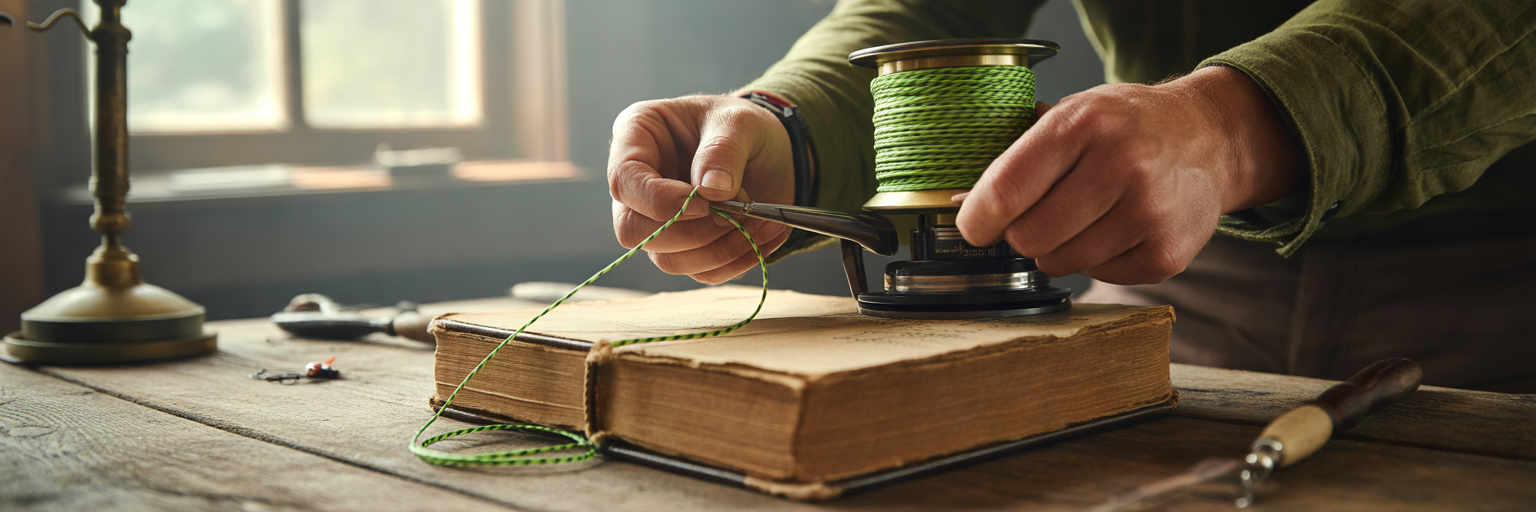
Most of the frustrations anglers associate with braid, like wind knots and tangles, are not faults of the line itself. They are the result of improper spooling and poor line management. By taking a few minutes to prepare your reel correctly and adopting a couple of simple habits on the water, you can eliminate 90% of these headaches.
First, you must prevent “line slip,” which is when the entire mass of slick braid spins freely on the reel’s arbor because it cannot get a grip. There are two easy solutions. You can either wrap the bare arbor with a layer of electrical tape before spooling or, the more common method, spool on a few yards of monofilament backing first. The mono grips the arbor, and the braid grips the mono. Now you are ready to learn how to spool braided line correctly.
- Apply Your Backing: Start with a layer of electrical tape or about 10 to 20 yards of monofilament tied directly to your reel’s arbor.
- Connect the Braid: Join your braid to the mono backing using a reliable connection knot, like a Double Uni Knot.
- Create Tension: This is the most critical step. The braid must be spooled under firm tension. You can run the line through the pages of a thick book or have a friend hold the supply spool with a gloved hand to apply pressure as you reel.
- Guide the Line Evenly: As you crank, guide the line so it lays down evenly and tightly across the spool. This prevents it from digging into itself later.
- Do Not Overfill: Stop spooling when the line is about 1/8 of an inch from the spool lip. This prevents loose coils from jumping off during a cast.
On the water, preventing wind knots is all about discipline. After every cast, close the bail of your spinning reel by hand, not by turning the handle. Turning the handle can create a loose loop of line on the spool. Then, before you make your next cast, give the line a quick tug to ensure it is taut against the line roller. This simple two-second habit will prevent the loose loops that cause most casting tangles.
Inspecting and Maintaining Your Braid
High-quality braided line is an investment, and with proper care, it can last for several seasons, unlike monofilament which often needs frequent replacement. A little maintenance goes a long way in extending the life of your line, saving you money, and preventing the heartbreak of a line failure on a trophy fish.
The most important step is a gentle freshwater rinse of your rod and reel after every single saltwater trip. This removes the salt crystals that, if left to dry, will work their way into the fibers of the braid and act like microscopic sandpaper, causing premature wear. Do not use high pressure, just a light spray or rinse.
After a trip, especially one where you were fishing around heavy structure, take a minute to inspect your line. Run the last 20 to 30 feet of braid through your fingers. If you feel any roughness, “fuzziness,” or flat spots, it is a sign of abrasion damage. Cut that section off immediately. That damaged spot is a weak point that is guaranteed to fail under the strain of a big fish.
So, when should you replace the line entirely? The most obvious signs are significant color fade, which indicates UV damage and fiber wear, or when the line becomes consistently fuzzy deep into the spool. Before you strip it all off, however, consider this pro tip: reverse the line. The top 100 yards of your line see all the action, while the hundreds of yards at the bottom of the spool remain in brand-new condition. Simply unspool the entire line onto a spare spool, then reel it back onto your primary reel. The fresh, unused line from the bottom is now on top, effectively doubling the life of your investment. A little maintenance ensures the best braid for saltwater fishing stays that way. Keeping your line in top shape is just one part of a successful setup. For a complete look at rods, reels, and tackle, explore our Florida inshore fishing gear guide.