
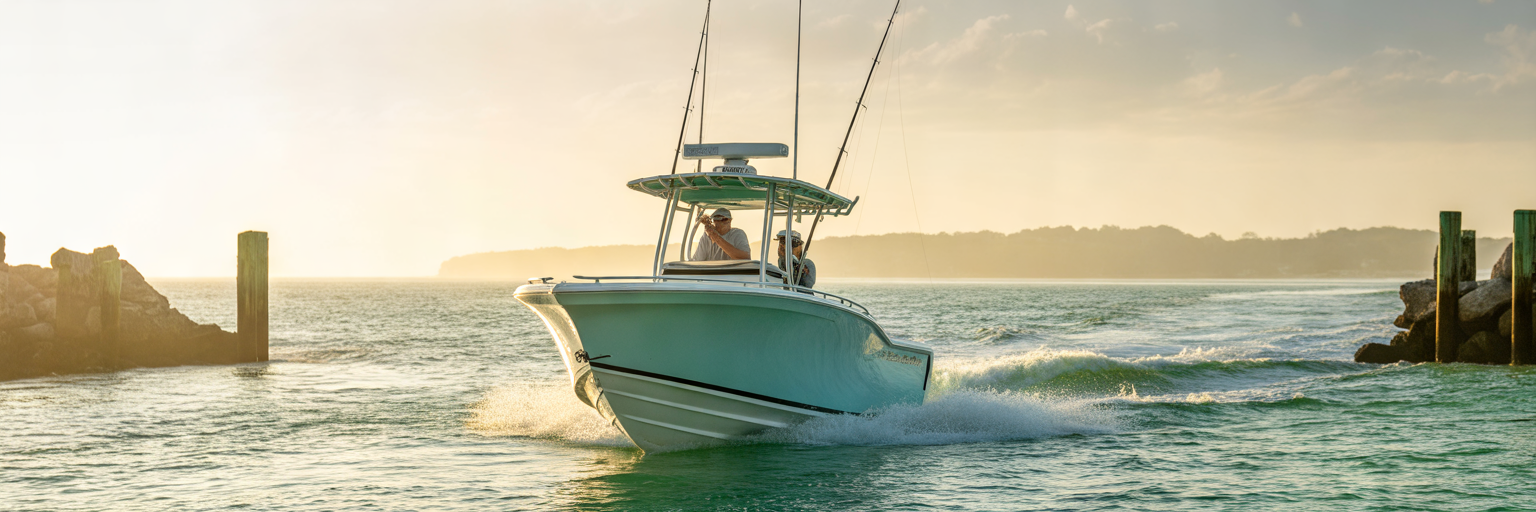
In 1989, the Florida Legislature established the state’s first comprehensive recreational saltwater fishing license program to fund marine conservation and hatchery initiatives across the Gulf and Atlantic coasts. Before dropping a bait into East Pass or working the grass flats of Choctawhatchee Bay, out of state visitors need to understand Destin fishing license requirements and keep the right credentials on deck to stay legal and focused on the bite.
Your Destin License Checklist for Visiting Saltwater Anglers
Nothing ruins a dawn blitz faster than seeing the gray hull of an enforcement boat idling toward your bow while you are still fumbling through your phone to check if you actually bought a permit. Out here on the Emerald Coast, the water is clear, the tidal currents through the pass are heavy, and wildlife officers run regular patrols from the Crab Island sandbar out to the artificial reefs. Treating your paperwork with the same attention you give your drag settings and leader knots keeps your head in the game when fish start busting surface bait.
What FWC Counts as Fishing in Destin Waters
According to the Florida Fish and Wildlife Conservation Commission (FWC) visitor licensing portal, any non-resident aged 16 and older must hold a valid license before attempting to take marine organisms. The state defines attempting to take far more broadly than just wetting a hook. If you are firing a topwater plug into the East Pass eddies, dipping blue crabs along the Choctawhatchee Bay pilings, or pancaking a ten-foot cast net over a school of menhaden for live bait, you are actively fishing in the eyes of a patrolling officer. Even helping a buddy tail a bull redfish in the surf or sinking a gaff into a king mackerel at the rail requires you to carry an active Florida non resident fishing license in your name.
Non-Resident Saltwater License Tiers and Real-World Value
Out of state anglers choose between three time-based tiers: the 3-day pass at $17, the 7-day pass at $30, and the annual license at $47. Doing the dockside math around Gulf weather windows and tide cycles usually points you straight past the cheapest option. When you map out your destin fishing schedule around moving water and species windows, a typical four-day stay often stretches across five calendar days once you count an afternoon arrival surf session and a quick dawn cast before packing the truck. Because the 3-day tier runs for 72 consecutive hours rather than three separate trips, a blown-out south wind on day two eats up your clock while your rods sit in the rack. Stepping up to the 7-day tier covers a full week of shifting tides, and if there is any chance you will tow the boat back down to the Panhandle for the fall run within the next twelve months, paying the extra $17 for the annual pass pays for itself immediately.
Dockside Myths That Get Out-of-State Anglers Ticketed
Bad ramp talk gets visiting anglers cited every single week at Joe’s Bayou and Marler Park. The biggest myth floating around the bait shops is that reciprocal licenses with neighboring states like Alabama or Georgia cover you down on the coast. Those interstate agreements apply strictly to specific border freshwater impoundments like the Chattahoochee River and never cross over into Florida saltwater. The second expensive rumor is the free shoreline permit. While Florida does offer a no-cost shoreline fishing license, it is reserved exclusively for permanent Florida residents who can produce state identification, meaning every visiting angler casting from the sand still needs a paid non-resident credential.
Buying Digital vs. Paper Credentials Before You Launch
You can grab a physical paper permit at a local Destin tackle shop counter, purchase one through the GoOutdoorsFlorida online portal, or load it directly into the Fish|Hunt FL mobile app. Going digital is the fastest route, but cell service drops off fast once you clear the sea buoy and push five miles south into the Gulf, or when you tuck deep into the pine-lined bayous of north Choctawhatchee Bay. Take a screenshot of your active license card showing your customer ID and expiration dates, and favorite that image in your phone’s camera roll so it pulls up offline in two seconds. Furthermore, if you are logging into state portals over shared condo networks or public marina Wi-Fi the night before your trip, follow solid habits from this essential guide to website and online account security to keep your personal data and payment credentials locked down.
| License Tier | Base Cost | Coverage Window | Best Destin Trip Fit |
|---|---|---|---|
| 3-Day Non-Resident Saltwater | $17.00 | 72 consecutive hours from selected start date | Quick weekend run or a single good weather window between charter days |
| 7-Day Non-Resident Saltwater | $30.00 | 7 consecutive calendar days | Full week family vacation mixing surf casting, bay wading, and jetty sessions |
| Annual Non-Resident Saltwater | $47.00 | 365 days from purchase date | Anglers making two or more Panhandle trips a year or staying longer than a week |
Official base fees set by the Florida Fish and Wildlife Conservation Commission (FWC) for non-resident recreational saltwater fishing licenses. Small processing fees may apply depending on whether you purchase online, via the app, or at a retail counter.
When Charter Boats and Pier Passes Cover Your Line
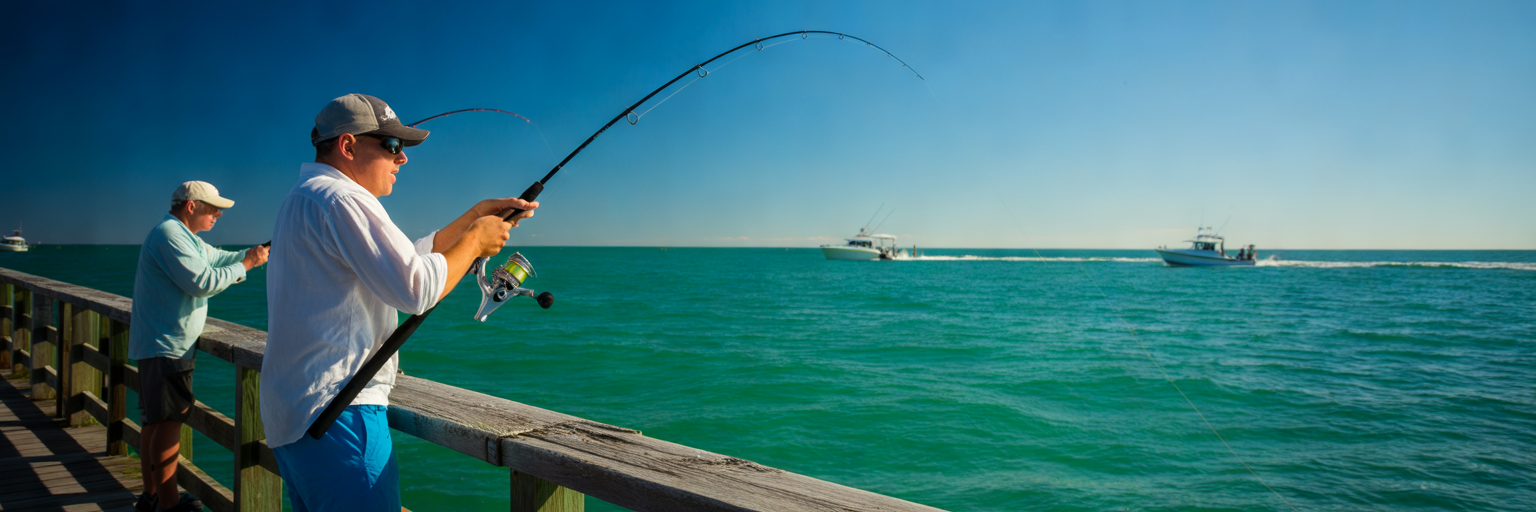
While individual permits cover you anywhere your feet or boat take you, certain fishing platforms carry their own commercial blanket licenses. Knowing how platform coverage works keeps you from double-paying when you step aboard a working deck or walk out onto a licensed pier.
Destin Harbor For-Hire Charters and Headboats
Walking down the docks along Destin Harbor, you will see everything from thirty-foot bay boats rigged for speckled trout to sixty-five-foot sportfishers and multi-passenger party boats. Under standard Destin charter fishing rules, every legally operating for-hire guide, six-pack captain, and headboat holds a commercial vessel saltwater license that automatically covers every paying angler on board. That blanket vessel coverage includes required state species endorsements like reef fish or snook while you are actively fishing from the boat. When you check our breakdown on when to book a mahi charter in Florida to time the pelagic bite, your captain handles all the state and federal permitting paperwork before you ever step off the dock.
Okaloosa Island Fishing Pier Blanket Coverage
If you want to target big pelagics without hiring a boat, stretching your legs over the Gulf planks is the classic local move. Paid admission for Okaloosa Island pier fishing includes coverage under the pier’s blanket saltwater license. Once you pay your daily walk-on fishing fee at the gatehouse, you can legally drop sabiki rigs to load the bait cooler with live cigar minnows or slide a live hardtail down a kingfish trolley rig without holding an individual state license. The structure itself is the license holder for as long as you remain on the planks.
Private Boat Vessel Licenses vs. Individual Permits
Getting invited out on a buddy’s or relative’s private center console is where plenty of visiting anglers walk straight into a citation. Many out of state visitors assume that private boats in Florida operate just like charter boats regarding license coverage. While the state does sell a recreational vessel license that covers everyone aboard a private boat, it costs hundreds of dollars compared to the $17 annual resident license, so almost no local private boat owners actually buy it. Unless your host physically shows you an active recreational vessel license covering the hull, every non-resident angler stepping aboard a friend’s bay boat or offshore rig must carry their own personal license.
Where Blanket Exemption Coverage Stops Dead
Platform exemptions stop the exact second your boots leave the planks or the fiberglass. If you step off a morning charter at Destin Harbor with a bag of fresh fillets and decide to soak sand fleas for pompano in the surf behind your condo that afternoon, your morning charter coverage offers zero protection on the beach. The exact same hard boundary applies around the pier. Walking fifty yards down the sand away from the Okaloosa Island Pier pilings to cast a silver spoon into the first trough means you have left the licensed structure and are immediately fishing unlicensed.
Before you tie on a jig or grab a rod on someone else’s setup, ask your captain, pier attendant, or private boat host two direct questions: does this vessel or structure hold an active blanket saltwater fishing license for passengers today, and are all required reef or pelagic permits current for the waters we are running to?
Surf, Jetty, and Wade Fishing Rules Around Choctawhatchee Bay
Once you step away from commercial docks and piers to explore the passes, sandbars, and bayous on your own, the regulatory details shift toward how you access the water and the specific gear in your hands. Around Choctawhatchee Bay and Santa Rosa Sound, the line between boat fishing and shore fishing is sharper than most visitors expect.
The Boat-Assisted Wading Rule on Bay Grass Flats
Wading the turtle grass flats along the north shore of Santa Rosa Island or working the sandy drop-offs around the Choctawhatchee Bay spoil islands is prime territory for big speckled trout and slot reds. However, as detailed on the FWC Saltwater Shoreline Fishing FAQ page, if you reach a sandbar, spoil island, or shallow flat by boat, kayak, or paddleboard and hop over the gunwale to wade knee-deep, Florida law classifies your entire outing as vessel-based fishing. For a non-resident, your paid saltwater license already covers both shore and vessel fishing, so your base credential stays valid. Where this rule bites visiting groups is when you are using our Florida sight-fishing redfish tactics alongside a local Florida cousin who only holds a free resident shoreline license, or when you neglect to carry mandatory vessel-only endorsements like the reef fish designation back on the skiff.
Fishing the Destin West Jetties and East Pass Rocks
When the tide dumps out of Choctawhatchee Bay through East Pass, it creates a high-current highway that flushes crabs, shrimp, and finger mullet right past the granite boulders of the Destin West Jetties. That conveyor belt of forage stacks bull redfish, sheepshead, Spanish mackerel, and mangrove snapper right against the rocks, and it brings FWC patrol boats through the exact same narrow corridor all day long. Walking down the beach and scrambling out onto the jetty rocks requires your non-resident saltwater license in your pocket before you make a single cast. Beyond your permit, respect the slick algae on the lower granite boulders by wearing felt-soled or studded wading boots rather than flip-flops.
Rental Kayaks, Paddleboards, and Crab Island Pontoons
Destin’s waterfront is packed with rental liveries offering pontoon boats for afternoon sessions around Crab Island as well as kayaks and paddleboards for slipping into the quieter bayous. Never assume a rental livery contract includes fishing coverage. Rental pontoons and paddle craft are leased strictly as bareboat recreational vessels, meaning the rental company provides zero license coverage for the renters. The moment you lay a spinning rod across a rental kayak deck or drop a handline over the side of a Crab Island pontoon, every person aged 16 and older touching tackle needs their own non-resident saltwater license. If you are planning to paddle the flats, pairing your valid permit with our guide on mastering tide chart reading for kayakers will put you on the moving water right when the bait drains off the grass.
Cast Nets, Sand Flea Rakes, and Dockside Crab Traps
Leaving the rods in the condo does not let you off the hook if you are gathering bait or shellfish by hand. Wading into the surf zone at sunrise with a stainless sand flea rake to dig pompano bait requires an active saltwater fishing license. The same rule governs slinging a cast net along the bay beaches for finger mullet or tying up to five recreational blue crab traps off the dock of your vacation rental house. If you are harvesting marine life from Florida waters by net, rake, trap, or hand, get your license active before your feet touch the wet sand.
Mandatory Permits for Reef Fish, Sharks, and Trophy Species
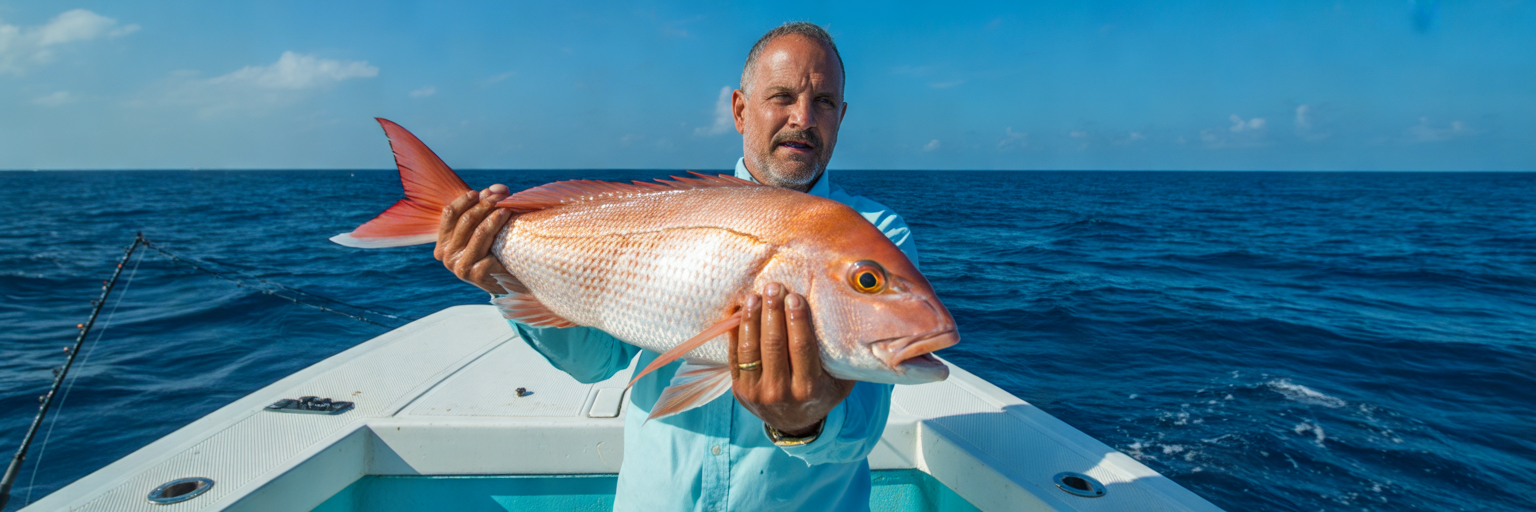
Holding a base non-resident saltwater license gets you on the water, but targeting specific bottom dwellers, surf predators, or trophy inshore species requires additional endorsements on your profile. Some of these add-ons cost nothing yet carry steep fines if left unchecked during checkout.
The No-Cost State Reef Fish Angler Designation
If you are launching a private boat, skiff, or fishing kayak with plans to drop baits onto bottom structure, you must carry the State Reef Fish Angler designation on your license. This mandatory endorsement costs $0, even for out of state anglers, and applies to anyone attempting to take or possess red snapper, vermilion snapper, gag grouper, red grouper, scamp, gray triggerfish, greater amberjack, lesser amberjack, banded rudderfish, or hogfish. Even though the state does not charge a dime for it, forgetting to click the box when buying your license online gets treated the exact same way as fishing without a permit when an officer checks your cooler. Once your designation is active, review our Florida bottom fishing rigs guide to dial in your leader weights and knocker setups for Destin’s limestone ledges.
Shore-Based Shark Fishing Permit and Gear Mandates
Soaking big slabs of bonito or whole ladyfish from the sand along Miramar Beach, Henderson Beach State Park, or Crystal Beach draws serious heat from patrolling blacktip, spinner, bull, and hammerhead sharks. To legally target sharks from any Florida beach, jetty, or bridge, every angler aged 16 and older must complete the free online FWC Shark-Smart educational course and hold an active, no-cost annual Shore-Based Shark Fishing Permit. Even anglers under 16 must hold the permit unless they are fishing alongside an adult who already carries it. Furthermore, holding the permit locks you into strict terminal gear mandates: you must use non-offset, non-stainless-steel circle hooks whenever fishing with live or dead natural bait, and you must have long-handled dehookers and heavy-duty bolt cutters sitting on the sand within arm’s reach before you cast.
Paid Endorsements for Snook and Spiny Lobster
For anglers chasing specialized inshore trophies or diving the nearshore reefs, Florida requires dedicated paid stamps on top of your base license. While Destin historically sat north of the classic snook line, a string of milder Gulf winters has pushed solid populations of linesiders into Choctawhatchee Bay and around the East Pass jetties, requiring a $10 Snook Permit if you plan to harvest a slot fish during open season. Divers and bully-netters targeting Caribbean spiny lobster on nearshore artificial reefs and rock piles need the $5 Spiny Lobster Permit. Tarpon, on the other hand, are strictly catch-and-release across Florida unless you purchase a specialized $51.50 tarpon tag reserved exclusively for anglers pursuing an official IGFA world record harvest from a vessel.
Federal HMS Permits for Private Boats Running Offshore
Visiting boaters who trailer their own center consoles down to Destin to run out to the DeSoto Canyon edge or the deepwater FADs cross into federal pelagic management. If your crew is trolling ballyhoo or popping topwaters for yellowfin tuna, bigeye tuna, skipjack, albacore, bluefin tuna, swordfish, sailfish, blue marlin, white marlin, or federally managed sharks, state licenses alone will not cover the boat. The vessel owner must purchase a federal NOAA Highly Migratory Species (HMS) Angling Permit for the hull, which covers everyone aboard for federal tunas and billfish throughout the calendar year.
| Permit or Endorsement | Fee | Who Needs It | Primary Destin Target Species |
|---|---|---|---|
| State Reef Fish Angler | $0 (Free) | Every angler on a private boat or kayak | Red snapper, vermilion snapper, gag grouper, scamp, gray triggerfish, amberjack |
| Shore-Based Shark Fishing Permit | $0 (Course Required) | All beach and jetty anglers targeting sharks | Blacktip, spinner, bull, tiger, and hammerhead sharks from shore |
| Snook Permit | $10.00 | Any angler harvesting snook in open season | Common snook around East Pass jetties and bay docks |
| Spiny Lobster Permit | $5.00 | Any diver or angler harvesting lobster | Caribbean spiny lobster on nearshore artificial reefs and rock piles |
| NOAA HMS Angling Permit | $29.00 (Vessel) | Private boat owners targeting federal pelagics | Yellowfin tuna, blue marlin, white marlin, sailfish, swordfish |
State permit fees are set by the FWC and expire one year from purchase. The federal Highly Migratory Species (HMS) permit is issued per vessel by NOAA Fisheries for the calendar year.
- Bottom Reef Species (Snapper, Grouper, Triggerfish, Amberjack): Requires the State Reef Fish Angler designation ($0, applied to each individual angler on a private vessel or kayak).
- Surf and Jetty Sharks (Blacktip, Spinner, Bull, Hammerhead): Requires the Shore-Based Shark Fishing Permit ($0 after completing the mandatory online course, applied to each individual angler).
- Inshore Common Snook: Requires the Snook Permit ($10, applied to each individual angler attempting to harvest a slot fish during open season).
- Gulf Spiny Lobster: Requires the Spiny Lobster Permit ($5, applied to each individual diver or harvester in the water).
- Trophy Tarpon: Catch-and-release only under a base license; requires a Tarpon Tag ($51.50 per individual angler) only when attempting to harvest a vessel-based IGFA world record.
- Offshore Pelagic Tunas and Billfish (Yellowfin, Marlin, Sailfish, Swordfish): Requires the federal NOAA HMS Angling Permit ($29, applied once to the private vessel rather than each passenger).
State Versus Federal Waters and Destin Seasonal Closures
Having your licenses and endorsements squared away is only half the compliance battle when running out of East Pass. Understanding Destin saltwater fishing regulations means tracking exactly how far offshore your hull is drifting and which seasonal harvest windows are open on that specific morning.
Why Destin’s 100-Fathom Curve Puts You in Federal Water Fast
In the Gulf of Mexico, Florida state waters extend exactly 9 nautical miles (roughly 10.35 statute miles) from the coastline, where the federal Exclusive Economic Zone begins. Destin earned its reputation as the World’s Luckiest Fishing Village because the head of the DeSoto Canyon pushes deep blue water and the 100-fathom curve within roughly twenty miles of East Pass. Unlike West Central Florida, where you have to run forty miles just to find eighty feet of water, Destin’s premier public artificial reefs, natural limestone ledges, and deep edge wrecks sit right across that 9-nautical-mile boundary line. You can easily cross from state jurisdiction into federal water during a fifteen-minute run between two bottom numbers.
The Strictest Rule Applies Transit Principle
Crossing that 9-nautical-mile line triggers a critical enforcement standard for private boaters. When you drop baits in federal waters beyond 9 nautical miles and motor back through Florida state waters to put the boat on the trailer at Joe’s Bayou or Marler Park, you must comply with whichever set of regulations is more restrictive unless an explicit federal-to-state transit provision is written into that specific rule. A classic trap happens during late fall weekends when Florida opens a state-waters-only recreational red snapper season inside 9 nautical miles while federal waters remain closed. If an officer stops you drifting over a public wreck at 10.5 nautical miles with red snapper in the fishbox during a state-only weekend, those fish are illegal regardless of where you claim you caught them.
Seasonal Windows for Snapper, Grouper, and Western Panhandle Trout
Harvest calendars in the northern Gulf shift throughout the year to protect spawning aggregations. Private recreational red snapper typically splits into a summer season and select fall holiday weekends, while gag grouper and greater amberjack open only for tight, carefully monitored harvest windows. Gray triggerfish closes down during the spring spawning months before reopening for summer and fall. Back inside the pass, inshore anglers must pay attention to regional management boundaries. Destin sits inside the Western Panhandle Management Zone for spotted seatrout, which enforces specific slot limits, daily bag caps, and seasonal trophy trout closures during the late winter cooling period that differ from the rules down in Tampa or the Keys. When water temperatures drop and trout rules tighten up, many local crews switch gears and apply our tactics for finding winter redfish in Florida around deep dock pilings and sun-warmed mud flats.
Mandatory Descending Devices and Reef Venting Tools
Whenever you are targeting or possessing reef fish from a vessel in the Gulf, both state and federal law require you to keep a rigged and ready descending device or a proper venting tool on deck. A descending device, such as a SeaQualizer or a weighted lip-clip descender attached to a dedicated rod or handline, safely returns bloated snapper and grouper to depth so water pressure recompresses their swim bladders. If you use a venting tool instead, it must be a purpose-built, hollow, sharpened cannula designed to release trapped gas from the body cavity just behind the pectoral fin. Puncturing a fish’s stomach protruding from its mouth with a fillet knife blade or an ice pick is both illegal and fatal to the released fish.
Before you clear the East Pass sea buoy, pull up your Garmin, Simrad, or Lowrance chartplotter and drop a permanent range ring or boundary track along the 9-nautical-mile state water line so you never drift across the federal boundary by accident while working a ledge.
Pre-Launch Verification for Gear, Bag Limits, and Local Conditions
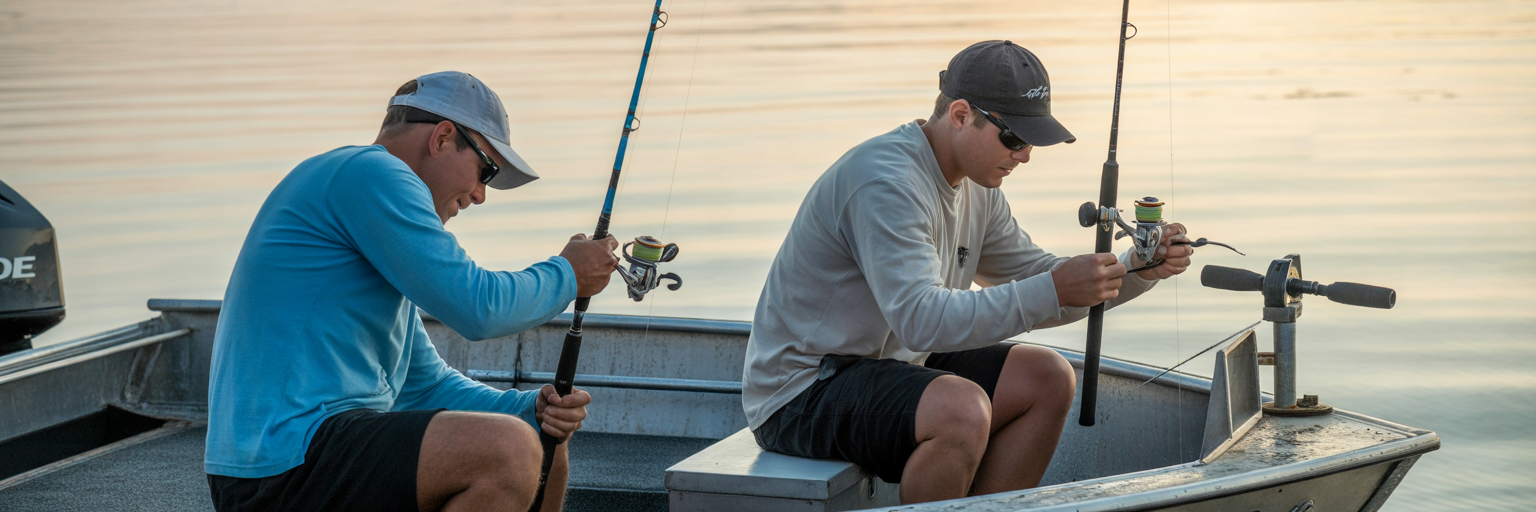
Even with every license and permit locked into your phone, an on-the-water board-and-check by FWC comes down to what is sitting in your cooler and what is tied to the end of your fluorocarbon leader. Running a tight deck at the ramp and measuring every fish properly keeps your trip clean from launch to fillet table.
Total Length vs. Fork Length at the Cleaning Table
Measuring a borderline fish the wrong way is the fastest route to a ticket at the boat ramp cleaning station. Florida divides saltwater species between two distinct measurement standards: Total Length and Fork Length. For inshore staples like redfish, spotted seatrout, and black drum, you measure Total Length from the most forward tip of the closed mouth to the farthest tip of the pinched tail. For reef and nearshore targets like Florida pompano, Spanish mackerel, king mackerel, cobia, gray triggerfish, and amberjack, you measure Fork Length from the closed jaw tip straight back to the center V of the tail fork. Always lay your catch flat on a rigid bump board rather than pulling a flexible tape over the curve of a fat fish’s belly, and give yourself a half-inch buffer on minimum sizes because packing a fish in wet ice shrinks its spine by up to a quarter-inch before you hit the dock.
Gulf Circle Hook, Dehooker, and Cast Net Rules
When an officer steps aboard to check your fishbox, they will also look directly at your bottom rods. Anytime you are fishing for Gulf reef species with natural bait, whether that is live pinfish, cigar minnows, cut bonito, or squid, you are legally required to use non-stainless-steel, non-offset (inline) circle hooks. Leaving an offset circle hook or a traditional J-hook tied onto a grouper rig baited with cut squid will fail a gear inspection before the sinker ever hits the water. Keep a long-handled dehooker right next to your side-cutters on the console so you can flip undersized vermilion snapper and triggerfish off the hook over the gunwale without handling their dorsal spines.
Matching Licenses and Tackle to Real-Time East Pass Conditions
Any seasoned Gulf angler knows that a forecast can flip overnight. If you tow down Highway 98 planning to run twelve miles south for red snapper, only to find a stiff twenty-knot south wind stacking four-foot standing rollers right across the mouth of East Pass, smart captains call an audible and pivot back inside Choctawhatchee Bay. When the weather pushes you off the reefs and onto the bay docks and grass flats, your regulatory checklist has to pivot just as fast. You immediately transition from tracking federal fork lengths and inline circle hooks to watching inshore slot limits and pinch-tail measurements. Checking our guide on using fishing tide charts for better Florida trips alongside our breakdown of essential Florida inshore fishing gear lets you read the incoming water push and re-rig your rods for bay structure in minutes.
Two-Minute Ramp and Beach Verification Sequence
Before you back the trailer down the concrete at Joe’s Bayou or carry your sand spikes across the boardwalk on Okaloosa Island, run through this six-step check to guarantee your crew is 100 percent legal for the day.
- Verify Offline License Access: Confirm every non-resident angler aged 16 and older has an active saltwater license and a saved screenshot in their phone’s camera roll for zero-bar zones.
- Match Endorsements to Today’s Rods: Check that the State Reef Fish Angler designation is listed on every private boat angler’s profile, or that your Shore-Based Shark Permit is active if soaking big baits from the sand.
- Confirm Daily Harvest Windows: Cross-check today’s date against current state and federal seasonal openings for red snapper, grouper, triggerfish, amberjack, and Western Panhandle seatrout.
- Inspect Terminal Rigs and Barotrauma Gear: Verify that all bottom rods rigged for natural bait carry non-offset, non-stainless circle hooks, and clip a rigged descending device or hollow venting tool within reach on the console.
- Stage Measurement and Release Tools: Lay your flat bump board, long-handled dehooker, and bolt cutters out on deck rather than burying them under life jackets in the bow hatch.
- Lock In Tide and Boundary Data: Check the East Pass tidal exchange against the wind direction, verify your 9-nautical-mile boundary line on the chartplotter, and commit to the strictest regulation zone you plan to cross.